
Explore Jozani Forest and Zanzibar Spice Farm: Red Colobus & Tastes of Spice
A half-day pairing of Jozani’s red colobus habitat and a working spice farm, this tour combines easy forest walks, mangrove boardwalks and a hands-on spice tasting with a spiced Pilau lunch. Ideal for nature lovers staying in Stone Town.
An Adventure In Stone Town (Zanzibar City).
A half-day pairing of Jozani’s red colobus habitat and a working spice farm, this tour combines easy forest walks, mangrove boardwalks and a hands-on spice tasting with a spiced Pilau lunch. Ideal for nature lovers staying in Stone Town.
Read the full experience
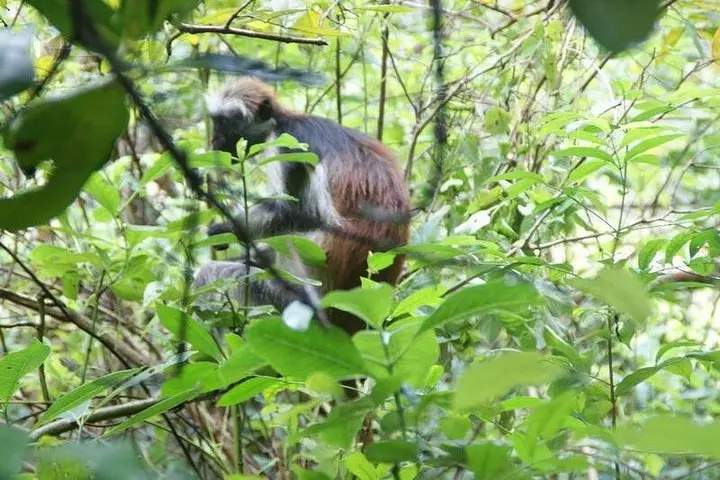
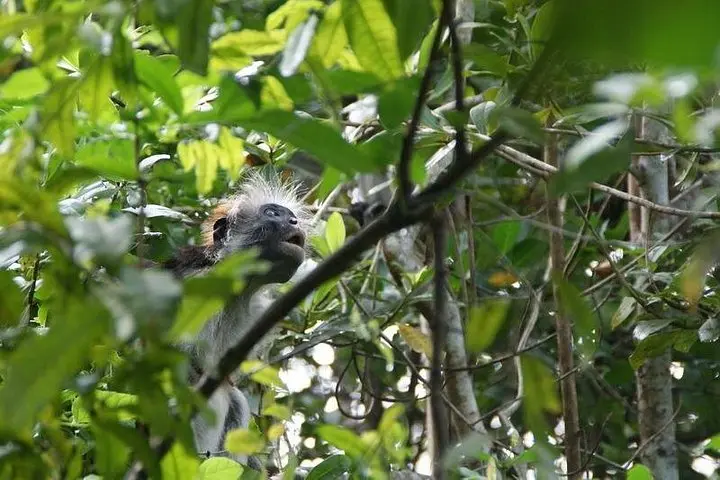
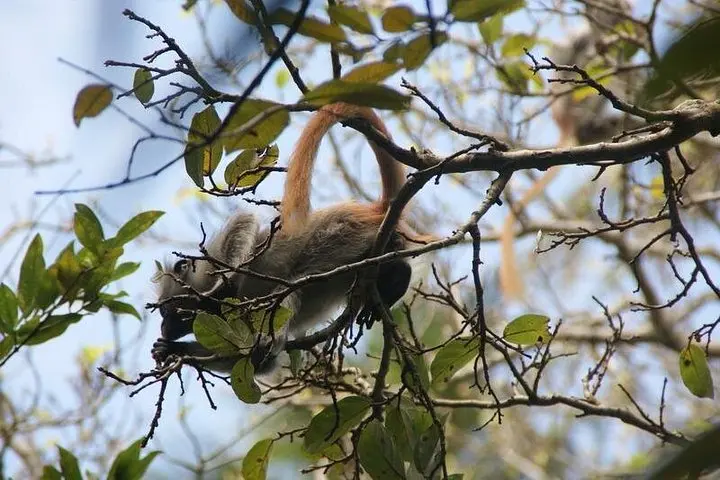
You step off the shaded track and feel the air change—humid, green, threaded with citrus and cinnamon. The forest canopy closes overhead, sunlight fractured into warm tiles on the leaf litter. Red Colobus monkeys call from the hardwoods; distant mangrove roots braid into the bay like reaching fingers.
You step off the shaded track and feel the air change—humid, green, threaded with citrus and cinnamon. The forest canopy closes overhead, sunlight fractured into warm tiles on the leaf litter. Red Colobus monkeys call from the hardwoods; distant mangrove roots braid into the bay like reaching fingers.
Jozani-Chwaka Bay was designated Zanzibar’s first national park to protect one of the island’s last stands of mature coastal forest and its endemic red colobus. Geologically the park sits on coral limestone and alluvial soils, where freshwater springs meet tidal wetlands and create mangrove flats. Culturally the adjacent villages and small spice farms trace practices back centuries: cloves, cinnamon, nutmeg and vanilla were planted and traded under Omani and later plantation systems, earning Zanzibar its “Spice Island” reputation.
The combined half-day tour pairs an interpretive forest walk with a hands-on spice farm visit. Expect easy, mostly flat boardwalks through mangroves and compact dirt trails under canopy; the guide points out medicinal plants and explains cultivation techniques before a spiced Pilau lunch.
Practical edge: wear closed-toe walking shoes with grip, bring insect repellent and a refillable water bottle, and plan morning or late-afternoon visits to avoid midday heat. Photography is best with a zoom lens for primates; do not feed wildlife. Park fees and local guides support conservation—stick to paths and respect village property. The trip suits travelers staying in Stone Town and offers a compact, informative window into Zanzibar’s ecology and agricultural heritage.
Frequently asked questions
The combined Jozani Forest and Spice Tour runs about 4 hours, including transport, guided walks and lunch.
Guides know where the troops frequent and sightings are common, but wild animals can’t be guaranteed.
Yes, the tour typically includes a spiced Pilau rice lunch made with spices from the farm.
Yes—private car transfers from Stone Town are included to and from the sites as part of the tour.
About This Experience
Pongwe Tour & Safari operates guided outdoor trips and adventures with an emphasis on safety, stewardship, and memorable experiences.
Adventure tips
Recommended gear
- Sturdy walking shoes: Protects ankles and provides traction on dirt trails and boardwalks.
- Insect repellent (DEET or picaridin): Reduces bites in shady forest and mangrove edges.
- Sun hat and sunscreen: Useful for exposed sections at spice farms and during midday transfers.
- Light rain jacket: Short tropical downpours occur—packable rain protection keeps you comfortable.
Photos of the experience

Related adventures & guides
Read the full experience
You step off the shaded track and feel the air change—humid, green, threaded with citrus and cinnamon. The forest canopy closes overhead, sunlight fractured into warm tiles on the leaf litter. Red Colobus monkeys call from the hardwoods; distant mangrove roots braid into the bay like reaching fingers.
You step off the shaded track and feel the air change—humid, green, threaded with citrus and cinnamon. The forest canopy closes overhead, sunlight fractured into warm tiles on the leaf litter. Red Colobus monkeys call from the hardwoods; distant mangrove roots braid into the bay like reaching fingers.
Jozani-Chwaka Bay was designated Zanzibar’s first national park to protect one of the island’s last stands of mature coastal forest and its endemic red colobus. Geologically the park sits on coral limestone and alluvial soils, where freshwater springs meet tidal wetlands and create mangrove flats. Culturally the adjacent villages and small spice farms trace practices back centuries: cloves, cinnamon, nutmeg and vanilla were planted and traded under Omani and later plantation systems, earning Zanzibar its “Spice Island” reputation.
The combined half-day tour pairs an interpretive forest walk with a hands-on spice farm visit. Expect easy, mostly flat boardwalks through mangroves and compact dirt trails under canopy; the guide points out medicinal plants and explains cultivation techniques before a spiced Pilau lunch.
Practical edge: wear closed-toe walking shoes with grip, bring insect repellent and a refillable water bottle, and plan morning or late-afternoon visits to avoid midday heat. Photography is best with a zoom lens for primates; do not feed wildlife. Park fees and local guides support conservation—stick to paths and respect village property. The trip suits travelers staying in Stone Town and offers a compact, informative window into Zanzibar’s ecology and agricultural heritage.
Make a day of it nearby.
Verified experiences and guided adventures in the surrounding area.