THE ADVENTURE COLLECTIVE® · Independent discovery and booking for outdoor travel

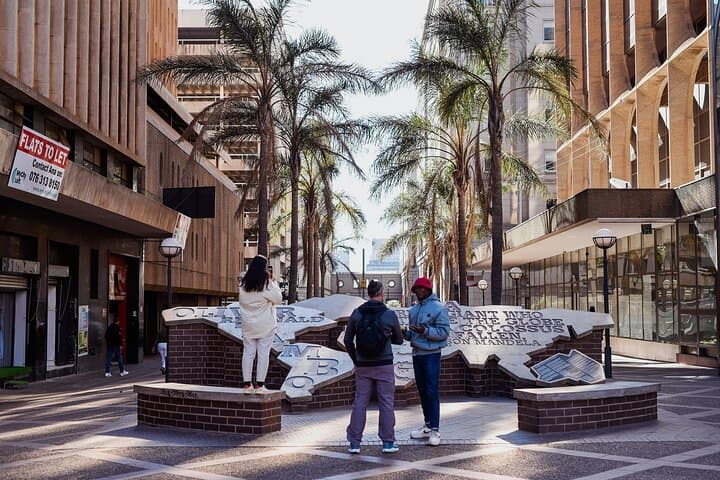
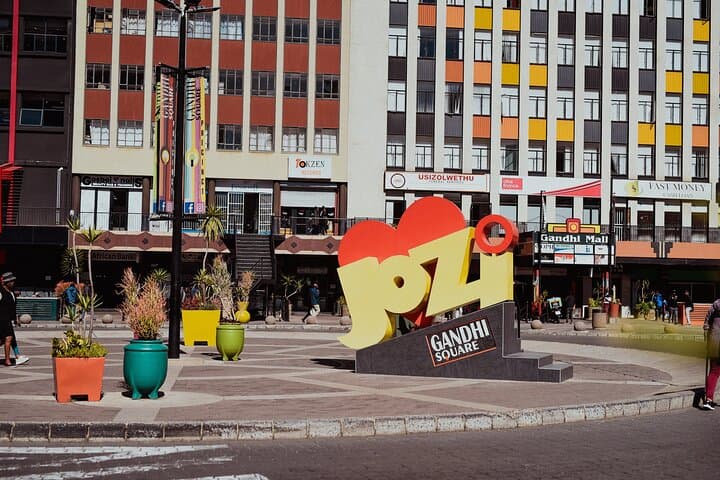
Walk Jozi’s downtown corridors with a local guide — from Gandhi Square and Main Street to Chancellor House and the Nelson Mandela Bridge. This three-hour tour combines architecture, labor history and contemporary street culture for a concise city primer.
Walk Jozi’s downtown corridors with a local guide — from Gandhi Square and Main Street to Chancellor House and the Nelson Mandela Bridge. This three-hour tour combines architecture, labor history and contemporary street culture for a concise city primer.
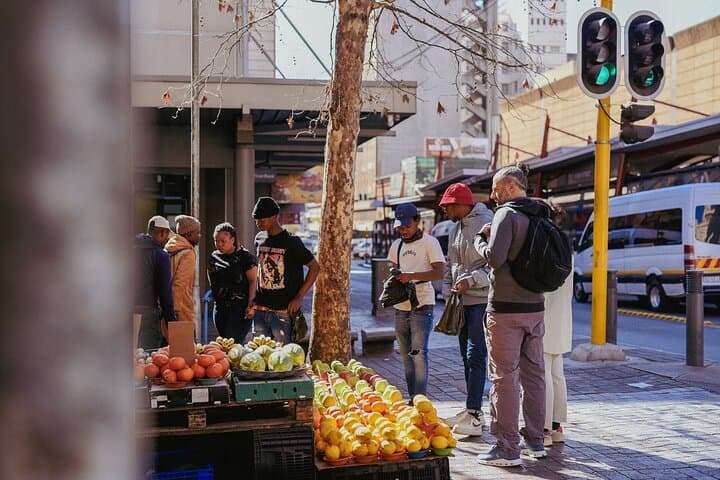
You step out onto Gandhi Square and the city greets you with a pulse—honking taxis, vendors calling, and the hard glint of old gold-era façades catching the sun.
Verified experiences and guided adventures in the surrounding area.
Operated by One Day Africa · Johannesburg, Gauteng
You step out onto Gandhi Square and the city greets you with a pulse—honking taxis, vendors calling, and the hard glint of old gold-era façades catching the sun.
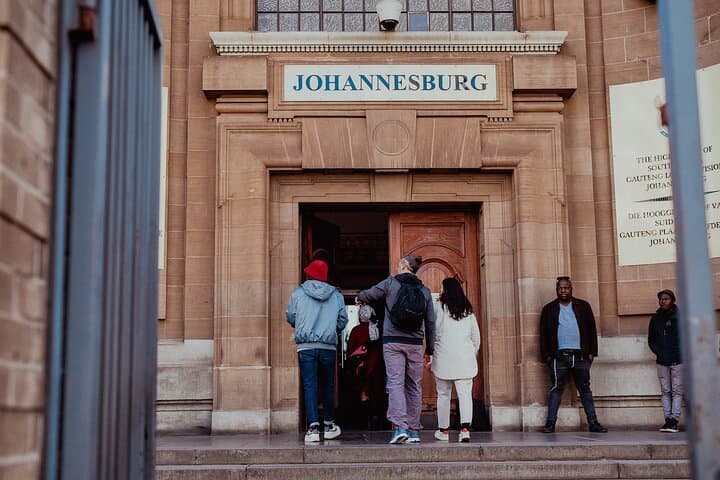
This three-hour walking tour threads Main Street and Ferreirasdorp, through the precincts where Johannesburg began as a gold rush settlement. Buildings from the late 19th and early 20th centuries lean inward like pages of a lived history, while Chancellor House marks a quiet milestone in South Africa’s legal and political evolution — the first firm of Mandela and Tambo.
Geology here is literal: the city rose on Witwatersrand reef deposits, and the surface still carries scars and stories of mining-led expansion. Culturally, Newtown and the Market Theatre showcase Johannesburg’s theatrical resistance to apartheid and its ongoing reinvention as an arts hub; street murals and community markets give texture to that regeneration.
Practical guidance: wear broken-in shoes—pavement and occasional uneven cobbles are constant companions. Carry 500–1,000 ml of water and a lightweight sun layer; Johannesburg’s sun can be fierce, even in cooler months. Plan for urban navigation—your guide will point out transit links and the best vantage on Nelson Mandela Bridge for photos.
Expect moderate crowds, pockets of street vendors, and active public life; safety is about situational awareness and sticking with the group. The route is largely flat with short stops at museums and heritage sites, making it accessible for most walkers.
By the end you’ll have a compact portrait of Jozi: its hard-earned history, civic ambition, and streets that still insist on moving forward.
easy.
3 hours.
Suitable for most fitness levels; you should be comfortable walking 2–4 miles on pavement with short stops
The tour meets outside the Nando’s at Gandhi Square and typically concludes in Braamfontein after crossing the Nelson Mandela Bridge.
Most streets are paved but there are some older sidewalks and short stair sections; infants in strollers are accommodated, but full wheelchair accessibility may be limited—contact the operator for specifics.
Museum entrances are not usually included; the itinerary includes external visits and interior stops where specified—bring small change if you wish to enter.
Full refund available if you cancel at least 24 hours before departure; cancellations within 24 hours are non-refundable.
Johannesburg emerged rapidly after the 1886 Witwatersrand gold discoveries; sites like Ferreirasdorp mark the city’s origins as a mining boomtown and migrant labor center.
Urban conservation focuses on preserving heritage façades and managing waste in busy precincts; support local businesses and avoid single-use plastics to reduce impact.
One Day Africa operates guided outdoor trips and adventures with an emphasis on safety, stewardship, and memorable experiences.
You step out onto Gandhi Square and the city greets you with a pulse—honking taxis, vendors calling, and the hard glint of old gold-era façades catching the sun.
You step out onto Gandhi Square and the city greets you with a pulse—honking taxis, vendors calling, and the hard glint of old gold-era façades catching the sun.
This three-hour walking tour threads Main Street and Ferreirasdorp, through the precincts where Johannesburg began as a gold rush settlement. Buildings from the late 19th and early 20th centuries lean inward like pages of a lived history, while Chancellor House marks a quiet milestone in South Africa’s legal and political evolution — the first firm of Mandela and Tambo.
Geology here is literal: the city rose on Witwatersrand reef deposits, and the surface still carries scars and stories of mining-led expansion. Culturally, Newtown and the Market Theatre showcase Johannesburg’s theatrical resistance to apartheid and its ongoing reinvention as an arts hub; street murals and community markets give texture to that regeneration.
Practical guidance: wear broken-in shoes—pavement and occasional uneven cobbles are constant companions. Carry 500–1,000 ml of water and a lightweight sun layer; Johannesburg’s sun can be fierce, even in cooler months. Plan for urban navigation—your guide will point out transit links and the best vantage on Nelson Mandela Bridge for photos.
Expect moderate crowds, pockets of street vendors, and active public life; safety is about situational awareness and sticking with the group. The route is largely flat with short stops at museums and heritage sites, making it accessible for most walkers.
By the end you’ll have a compact portrait of Jozi: its hard-earned history, civic ambition, and streets that still insist on moving forward.