THE ADVENTURE COLLECTIVE® · Independent discovery and booking for outdoor travel

Move from Tokyo’s kinetic streets to the calm of a ryokan at Mount Fuji, walk preserved Edo roads, and see Miyajima’s floating torii on a 12‑day small‑group tour designed for active travelers. Practical logistics are handled — you bring curiosity and comfortable shoes.
Move from Tokyo’s kinetic streets to the calm of a ryokan at Mount Fuji, walk preserved Edo roads, and see Miyajima’s floating torii on a 12‑day small‑group tour designed for active travelers. Practical logistics are handled — you bring curiosity and comfortable shoes.
You step off the train into Tokyo’s hum — neon signs, the press of commuters, and the Shibuya crossing sweeping pedestrians like a moving river. Over the next twelve days that river will take you north to Mount Fuji’s mirrored lakes, along the Edo-era stones of the Kiso Valley, through Hiroshima’s quieter streets, and finally into Kyoto’s torii-lined approaches where incense and cedarwood mark time.
Verified experiences and guided adventures in the surrounding area.
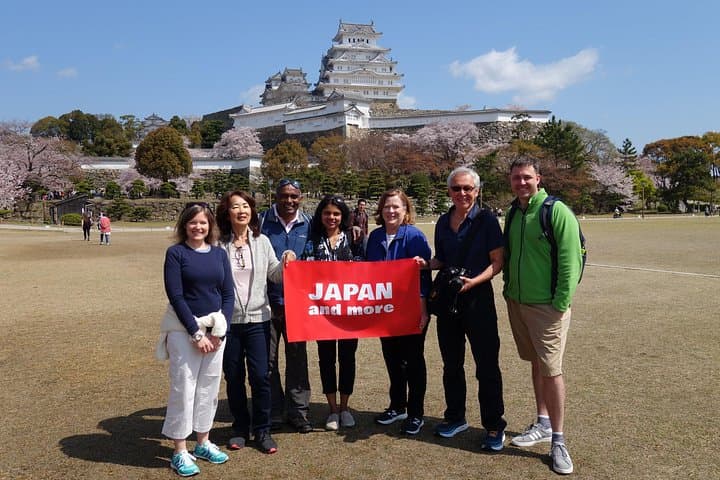
Operated by Japan and More · Tokyo, Tokyo
You step off the train into Tokyo’s hum — neon signs, the press of commuters, and the Shibuya crossing sweeping pedestrians like a moving river. Over the next twelve days that river will take you north to Mount Fuji’s mirrored lakes, along the Edo-era stones of the Kiso Valley, through Hiroshima’s quieter streets, and finally into Kyoto’s torii-lined approaches where incense and cedarwood mark time.
This route threads together Japan’s long arcs: Senso‑ji dates back to 645 AD, the Nakasendo Trail linked feudal capitals, and Miyajima’s floating torii marks Shinto reverence for sea and island. Geology matters here — volcanic Fuji rises abruptly from Kawaguchiko’s basin; the Seto Inland Sea’s currents shaped Miyajima’s shoreline and its tidal framing of Itsukushima Shrine. Cultural moments — a tea ceremony, a kaiseki meal, an encounter with maiko — reveal formal hospitality and attention to small gestures.
Practical guidance: expect a mobile, walk-oriented itinerary — bring a daypack, comfortable walking shoes, and a light rain shell. Trains and ferries are the backbone of transit; an IC card (Suica/Pasmo) speeds navigation. Learn onsen etiquette (no tattoos visible, wash before entering) and practice quiet, respectful behavior at temples and memorials. Cash remains important in smaller towns. Pace yourself: moderate fitness will make long walking days more enjoyable, and early mornings at Kawaguchiko or Miyajima give the best light and fewer crowds. With small-group logistics handled, this tour balances cultural depth with active exploration — a compact introduction for travelers who want to move, see, and understand Japan.
moderate.
12 days.
Moderate — you should be comfortable walking 2–5 hours a day and navigating stairs and uneven paths.
Expect multiple walking sessions daily, typically 2–5 hours across city streets, temple grounds, and historic town paths; moderate fitness makes the trip more comfortable.
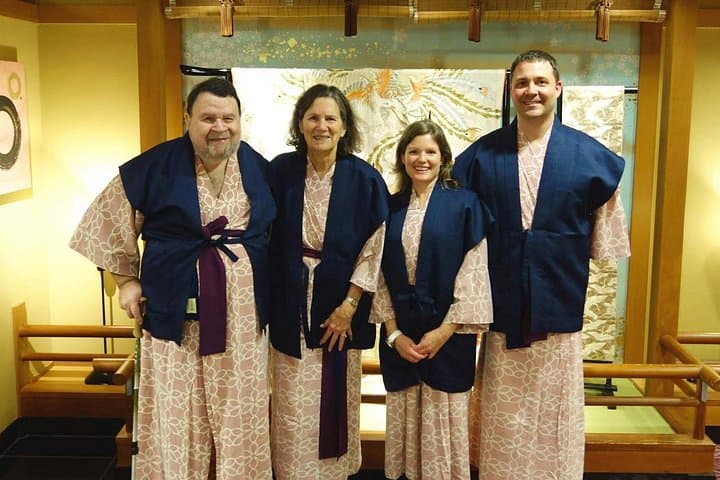
The tour includes stays at 4‑star hotels and a night in a traditional ryokan with kaiseki dinner and access to an onsen; breakfasts and several dinners are provided per itinerary.
No — the small group format and guides handle logistics and translations, but learning basic greetings and etiquette improves interactions.
Many onsen have restrictions on visible tattoos; private baths may be arranged. The tour notes it’s not recommended for travelers with serious spine or heart problems; contact operators for special assistance.
The itinerary follows routes with deep historical roots — the Nakasendo connected Edo and Kyoto during the Tokugawa era, and Hiroshima’s Peace Park preserves memory of the 1945 atomic bombing.
Many sites manage visitor impact through restricted access times and fees; avoid feeding wildlife, use marked paths in historic towns, and minimize single‑use plastics to reduce pressure on delicate cultural and natural sites.
Japan and More operates guided outdoor trips and adventures with an emphasis on safety, stewardship, and memorable experiences.
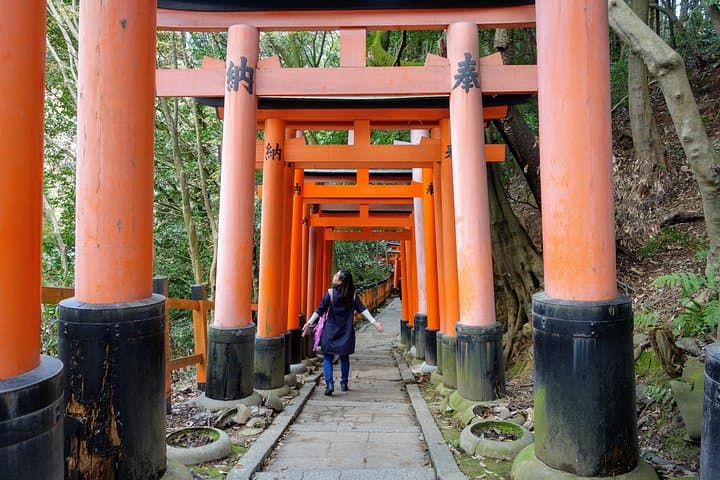
You step off the train into Tokyo’s hum — neon signs, the press of commuters, and the Shibuya crossing sweeping pedestrians like a moving river. Over the next twelve days that river will take you north to Mount Fuji’s mirrored lakes, along the Edo-era stones of the Kiso Valley, through Hiroshima’s quieter streets, and finally into Kyoto’s torii-lined approaches where incense and cedarwood mark time.
You step off the train into Tokyo’s hum — neon signs, the press of commuters, and the Shibuya crossing sweeping pedestrians like a moving river. Over the next twelve days that river will take you north to Mount Fuji’s mirrored lakes, along the Edo-era stones of the Kiso Valley, through Hiroshima’s quieter streets, and finally into Kyoto’s torii-lined approaches where incense and cedarwood mark time.
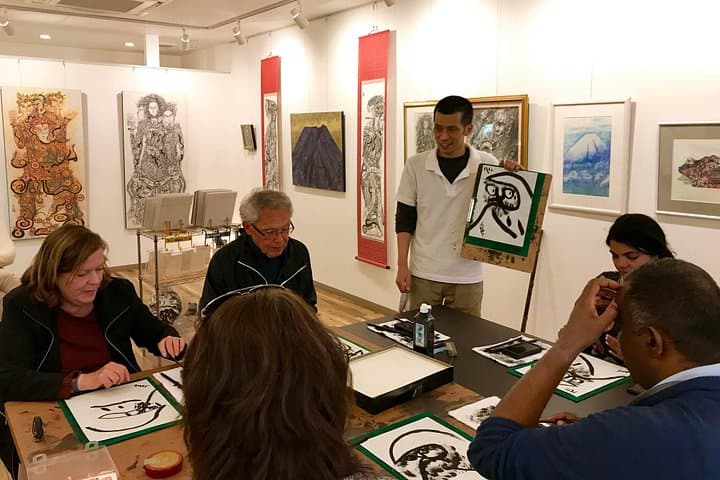
This route threads together Japan’s long arcs: Senso‑ji dates back to 645 AD, the Nakasendo Trail linked feudal capitals, and Miyajima’s floating torii marks Shinto reverence for sea and island. Geology matters here — volcanic Fuji rises abruptly from Kawaguchiko’s basin; the Seto Inland Sea’s currents shaped Miyajima’s shoreline and its tidal framing of Itsukushima Shrine. Cultural moments — a tea ceremony, a kaiseki meal, an encounter with maiko — reveal formal hospitality and attention to small gestures.
Practical guidance: expect a mobile, walk-oriented itinerary — bring a daypack, comfortable walking shoes, and a light rain shell. Trains and ferries are the backbone of transit; an IC card (Suica/Pasmo) speeds navigation. Learn onsen etiquette (no tattoos visible, wash before entering) and practice quiet, respectful behavior at temples and memorials. Cash remains important in smaller towns. Pace yourself: moderate fitness will make long walking days more enjoyable, and early mornings at Kawaguchiko or Miyajima give the best light and fewer crowds. With small-group logistics handled, this tour balances cultural depth with active exploration — a compact introduction for travelers who want to move, see, and understand Japan.