THE ADVENTURE COLLECTIVE® · Independent discovery and booking for outdoor travel

Just 30 minutes from Tallinn, Jägala is Estonia’s largest natural waterfall—dramatic in winter and revealing ancient limestone and fossils in warm months. This two-hour tour pairs short walks with a rustic picnic of local flavors.
Just 30 minutes from Tallinn, Jägala is Estonia’s largest natural waterfall—dramatic in winter and revealing ancient limestone and fossils in warm months. This two-hour tour pairs short walks with a rustic picnic of local flavors.
A cold wind pushes the steam of your hot tea into the pale winter light as you step out of the minivan and the tumbling voice of Jägala reaches you first—distant, then suddenly everywhere. In winter the water freezes into sculpted blue-white walls and dangling icicles; in warmer months the ribbon of the river slides over jagged limestone, revealing pockets of ancient shells and fossils.
Verified experiences and guided adventures in the surrounding area.
Operated by Prangli Travel · Jõelähtme, Harju County
A cold wind pushes the steam of your hot tea into the pale winter light as you step out of the minivan and the tumbling voice of Jägala reaches you first—distant, then suddenly everywhere. In winter the water freezes into sculpted blue-white walls and dangling icicles; in warmer months the ribbon of the river slides over jagged limestone, revealing pockets of ancient shells and fossils.
Jägala is Estonia’s largest natural waterfall, a short drive east of Tallinn, and its geology tells a slow story: limestone beds from the Ordovician and Silurian seas, shaped by glacial and fluvial forces. Nearby manor houses and industrial ruins hint at human use of the river over centuries—from mills to 19th-century estates—while local snacks at the picnic table root the visit in Estonian flavors: rye bread, Baltic fish, pickles and a warming glögg or schnapps.
Expect an easy, well-paced visit: short walks on packed trails, photo stops at a viewing platform, and guided time at the cliff edge to look for fossils and sediment layers. The tour is compact—about two hours—making it a solid half-day option if you’re based in Tallinn.
Practical tips: dress in layers, wear waterproof boots when ice or mud is present, and bring a camera with a wide-angle lens for the falls. Respect safety ropes and stay off unstable ice; the guide will brief the group on where it’s safe to approach. The picnic is a chance to taste local food while the river dares you to step closer and listen.
easy.
2 hours.
Suitable for most fitness levels—short walks on mostly flat paths with brief uneven sections
The waterfall is about a 30-minute drive east of Tallinn; pick-up and drop-off are from the Tallinn Tourist Information Centre.
Not always; heavy freezes typically occur DEC–MAR, but exact conditions vary by year—guides monitor safety and will advise on access.
Yes—this tour is family-friendly and short; however, some sections have uneven ground so a sturdy stroller or carrier is recommended.
Yes—the operator asks for dietary needs at booking and provides tea, local snacks and alternatives to accommodate common restrictions.
The Jägala area has long been used for mills and industry; the falls marked a natural site for human activity from 19th-century estates to small-scale milling operations.
Keep to marked paths to protect fragile limestone and moss; avoid disturbing fossil beds—photograph finds rather than removing them.
Prangli Travel operates guided outdoor trips and adventures with an emphasis on safety, stewardship, and memorable experiences.
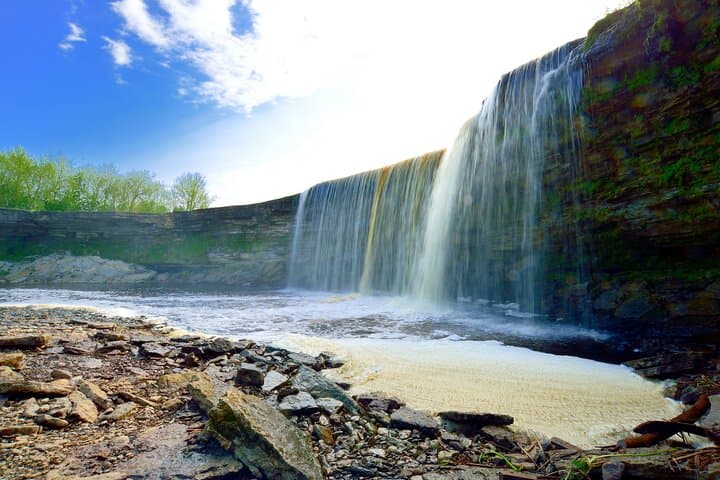
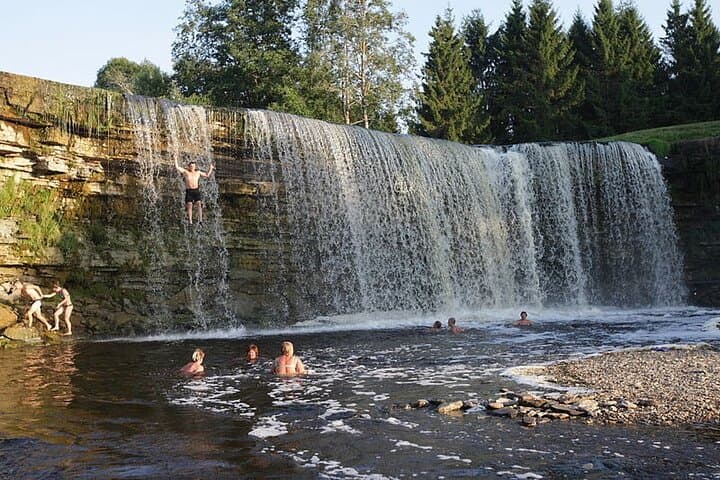
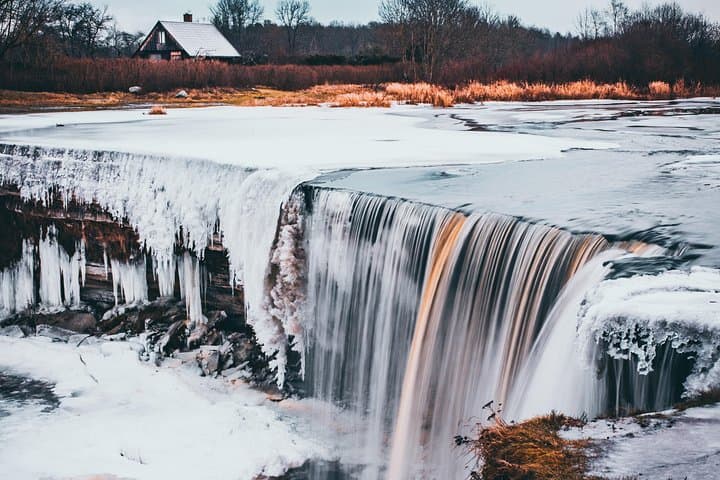
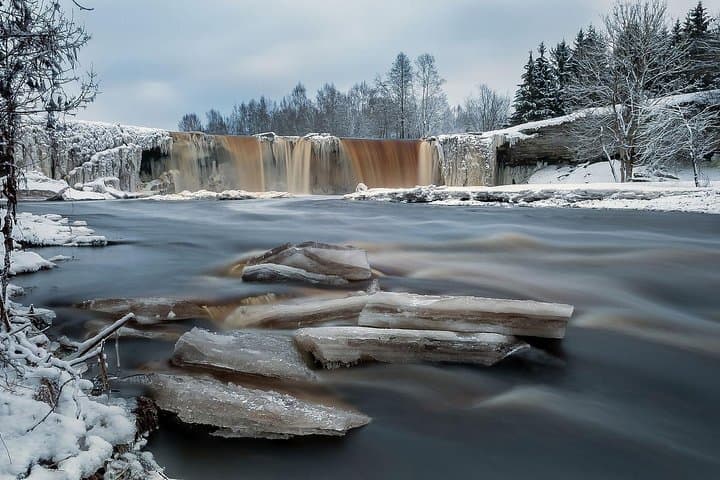
A cold wind pushes the steam of your hot tea into the pale winter light as you step out of the minivan and the tumbling voice of Jägala reaches you first—distant, then suddenly everywhere. In winter the water freezes into sculpted blue-white walls and dangling icicles; in warmer months the ribbon of the river slides over jagged limestone, revealing pockets of ancient shells and fossils.
A cold wind pushes the steam of your hot tea into the pale winter light as you step out of the minivan and the tumbling voice of Jägala reaches you first—distant, then suddenly everywhere. In winter the water freezes into sculpted blue-white walls and dangling icicles; in warmer months the ribbon of the river slides over jagged limestone, revealing pockets of ancient shells and fossils.
Jägala is Estonia’s largest natural waterfall, a short drive east of Tallinn, and its geology tells a slow story: limestone beds from the Ordovician and Silurian seas, shaped by glacial and fluvial forces. Nearby manor houses and industrial ruins hint at human use of the river over centuries—from mills to 19th-century estates—while local snacks at the picnic table root the visit in Estonian flavors: rye bread, Baltic fish, pickles and a warming glögg or schnapps.
Expect an easy, well-paced visit: short walks on packed trails, photo stops at a viewing platform, and guided time at the cliff edge to look for fossils and sediment layers. The tour is compact—about two hours—making it a solid half-day option if you’re based in Tallinn.
Practical tips: dress in layers, wear waterproof boots when ice or mud is present, and bring a camera with a wide-angle lens for the falls. Respect safety ropes and stay off unstable ice; the guide will brief the group on where it’s safe to approach. The picnic is a chance to taste local food while the river dares you to step closer and listen.