THE ADVENTURE COLLECTIVE® · Independent discovery and booking for outdoor travel

Walk the first Roman streets in the Iberian Peninsula and stand in a colosseum that once held tens of thousands. This private 80-minute tour of Itálica focuses on mosaics, urban planning and the amphitheatre that still frames the sky.
Walk the first Roman streets in the Iberian Peninsula and stand in a colosseum that once held tens of thousands. This private 80-minute tour of Itálica focuses on mosaics, urban planning and the amphitheatre that still frames the sky.
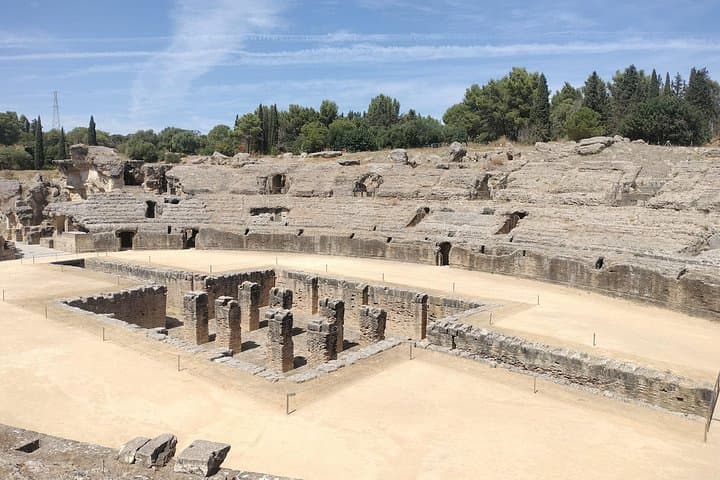
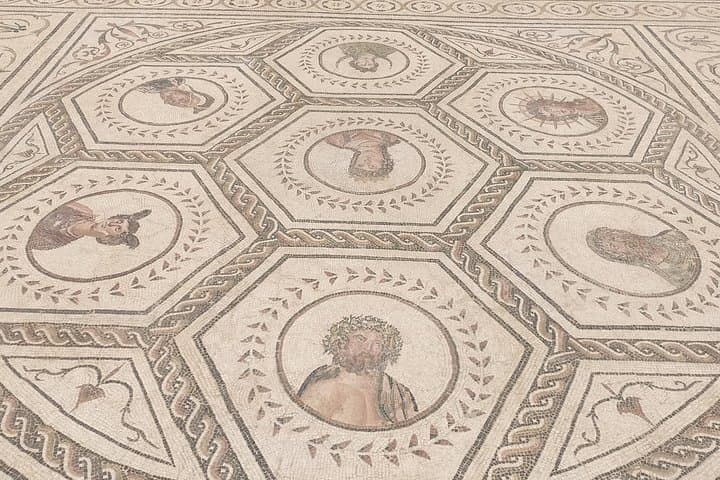
You step through a low gate and the stones change language: underfoot, Roman paving slabs keep the rhythm of a city that began in 206 B.C. Sun slides across broad mosaics; wind threads through the ruined domes of houses and the amphitheatre’s elliptical shadow looms like a memory of cheer and battle. The site feels lived-in and weathered, with layers of clay, brick and ash telling the story of empire and local life.
Verified experiences and guided adventures in the surrounding area.
Operated by Seville private guide - Sofía Ventura · Santiponce, Andalusia
You step through a low gate and the stones change language: underfoot, Roman paving slabs keep the rhythm of a city that began in 206 B.C. Sun slides across broad mosaics; wind threads through the ruined domes of houses and the amphitheatre’s elliptical shadow looms like a memory of cheer and battle. The site feels lived-in and weathered, with layers of clay, brick and ash telling the story of empire and local life.
Itálica was founded for retired Roman soldiers after the Second Punic War and grew into one of Hispania’s earliest urban centers. The geology is sedimentary — soft clays and alluvial deposits from the Guadalquivir plain — which helped preserve mosaics but also makes foundations vulnerable to erosion. Culture here is a mix of Roman municipal planning and later Andalusian influences; modern Santiponce still carries festivals and folklore tied to its past.
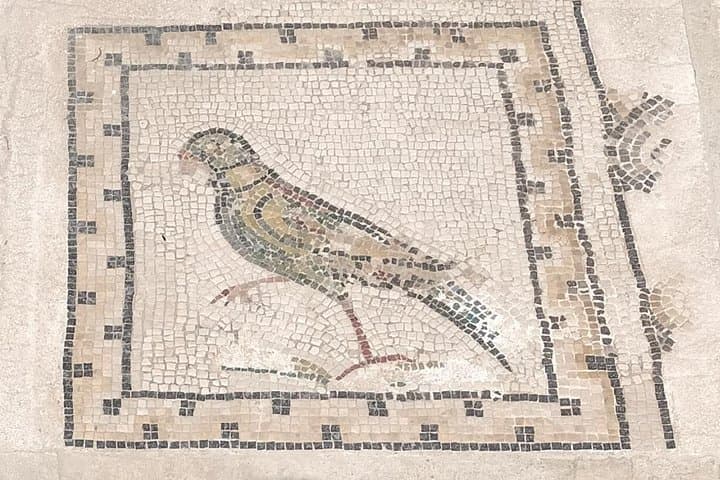
Expect compact walking routes across uneven ground, axis-aligned streets, private domus remains and the amphitheatre — the third largest in the empire — which modern productions (including TV) have reimagined for new audiences. Guides point out mosaic motifs, hypocaust systems and the city’s grid.
Practical guidance: wear sturdy shoes, sun protection and bring water; tours last about 80 minutes and include close-up archaeology but not site admission by default. Morning or late-afternoon visits avoid high heat and crowds. Respect roped areas and don’t step on mosaics; photography is allowed but be mindful of other visitors. A private guide turns fragments of stone into a readable city plan — bring curiosity and a compact field jacket for breezy afternoons.
easy.
1–1.5 hours.
Suitable for most fitness levels; requires short periods of standing and walking on uneven ground.
The private tour provides a guide only; entrance fees to Itálica may be paid on site unless the booking specifies admission is included.
Much of Itálica has uneven terrain and steps; it’s not well suited for wheelchairs or standard strollers—contact the operator for potential alternatives.
The guide meets and finishes at the main entrance to the archaeological site of Itálica in Santiponce.
Yes—families are welcome, but watch children closely around low walls and roped areas and expect some walking on uneven ground.
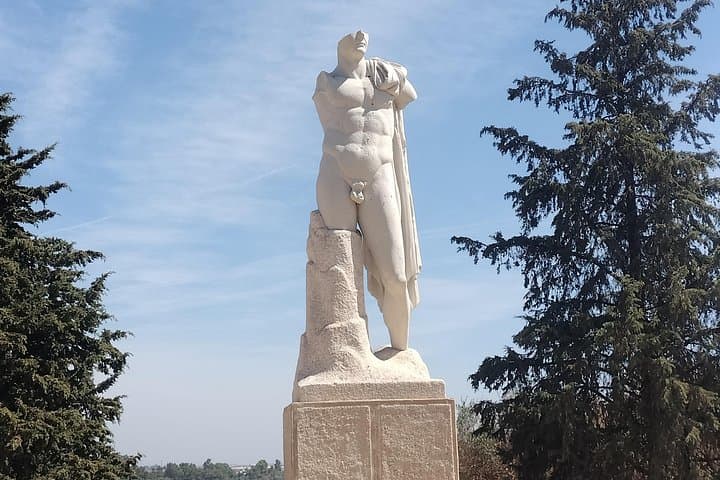
Founded in 206 B.C. for Roman veterans, Itálica grew into a regional center and later furnished emperors such as Trajan and Hadrian with their roots in Hispania.
Soft alluvial soils and visitor traffic make conservation a priority; follow guide instructions, avoid touching mosaics and stick to marked paths to limit erosion and wear.
Seville private guide - Sofía Ventura operates guided outdoor trips and adventures with an emphasis on safety, stewardship, and memorable experiences.
You step through a low gate and the stones change language: underfoot, Roman paving slabs keep the rhythm of a city that began in 206 B.C. Sun slides across broad mosaics; wind threads through the ruined domes of houses and the amphitheatre’s elliptical shadow looms like a memory of cheer and battle. The site feels lived-in and weathered, with layers of clay, brick and ash telling the story of empire and local life.
You step through a low gate and the stones change language: underfoot, Roman paving slabs keep the rhythm of a city that began in 206 B.C. Sun slides across broad mosaics; wind threads through the ruined domes of houses and the amphitheatre’s elliptical shadow looms like a memory of cheer and battle. The site feels lived-in and weathered, with layers of clay, brick and ash telling the story of empire and local life.
Itálica was founded for retired Roman soldiers after the Second Punic War and grew into one of Hispania’s earliest urban centers. The geology is sedimentary — soft clays and alluvial deposits from the Guadalquivir plain — which helped preserve mosaics but also makes foundations vulnerable to erosion. Culture here is a mix of Roman municipal planning and later Andalusian influences; modern Santiponce still carries festivals and folklore tied to its past.
Expect compact walking routes across uneven ground, axis-aligned streets, private domus remains and the amphitheatre — the third largest in the empire — which modern productions (including TV) have reimagined for new audiences. Guides point out mosaic motifs, hypocaust systems and the city’s grid.
Practical guidance: wear sturdy shoes, sun protection and bring water; tours last about 80 minutes and include close-up archaeology but not site admission by default. Morning or late-afternoon visits avoid high heat and crowds. Respect roped areas and don’t step on mosaics; photography is allowed but be mindful of other visitors. A private guide turns fragments of stone into a readable city plan — bring curiosity and a compact field jacket for breezy afternoons.