THE ADVENTURE COLLECTIVE® · Independent discovery and booking for outdoor travel

Walk 16 km of curated woodlands and specimen plantings on an 18th‑century estate near Waterford. This guide explains what to expect on a visit to Mount Congreve Gardens, from terrain and history to practical tips for families and accessibility.
Walk 16 km of curated woodlands and specimen plantings on an 18th‑century estate near Waterford. This guide explains what to expect on a visit to Mount Congreve Gardens, from terrain and history to practical tips for families and accessibility.
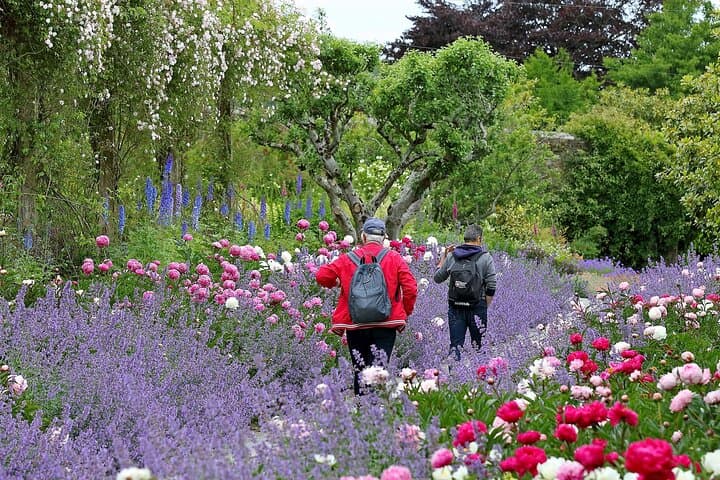
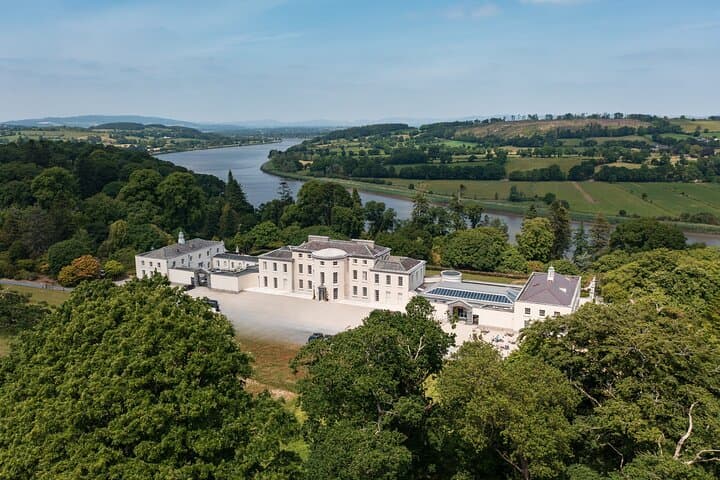
A damp morning light filters through copper beeches as you step from the gravel forecourt into 16 km of winding paths and layered planting—Mount Congreve’s global garden unfolds like a long, walkable plant collection. The estate, established in the 18th century by the Congreve family, combines formal terraces near the house with wildwood walks that curve along the River Suir’s tributaries.
Verified experiences and guided adventures in the surrounding area.
Operated by Mount Congreve Gardens · Kilmeaden, County Waterford
A damp morning light filters through copper beeches as you step from the gravel forecourt into 16 km of winding paths and layered planting—Mount Congreve’s global garden unfolds like a long, walkable plant collection. The estate, established in the 18th century by the Congreve family, combines formal terraces near the house with wildwood walks that curve along the River Suir’s tributaries.
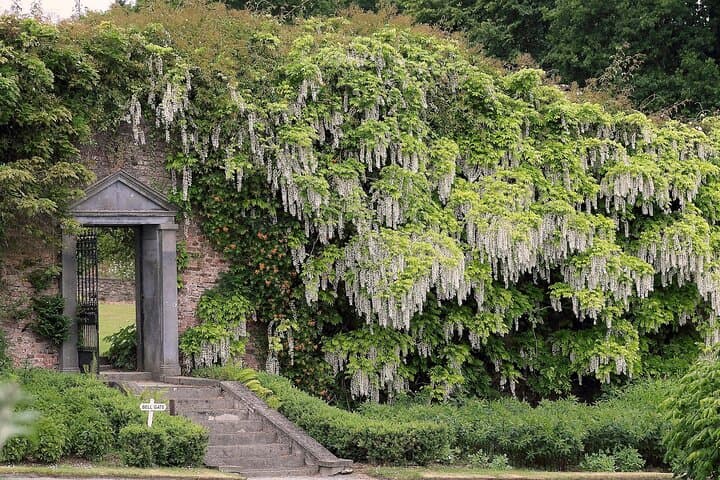
The soil here is rich glacial drift over sandstone and shale, which, combined with a mild maritime climate, lets temperate and subtropical species thrive side by side. You’ll pass specimen rhododendrons, towering conifers, and shaded fern gullies; stone terraces and historic walls hint at Georgian landscape taste while the later Victorian plant-hunting era shows in exotic labels and specimen trees.
Locals framed the gardens around leisure and learning: seasonal trails for families, a small playground, and interpretive maps that orient you to both planting history and horticultural technique. After a circuit of the main walks, the Stables Café offers simple coffees and light bites, and the Secret Garden shop stocks seeds and literary guides.
Practicalities: the paths are mostly compacted earth and gravel with gentle slopes—expect 1–3 miles of walking for a comfortable visit and up to two hours to explore core areas. Wear sturdy walking shoes and layer for sudden coastal drizzle; bring a refillable bottle and check opening hours before you travel. Wheelchair-accessible sections and stroller-friendly routes are signposted, but some woodland tracks are uneven. A garden map is provided with admission to help you tailor the visit to weather and time.
easy.
1–2 hours.
Suitable for most fitness levels; expect gentle slopes and up to a few miles of walking
Plan 60–120 minutes to see the main gardens and café; allow more time if you want to walk extended woodland loops or picnic.
Yes—there are wheelchair-accessible and stroller-friendly routes and facilities, though some wooded trails are uneven.
Yes—seasonal activity trails and a woodland playground make the gardens family-friendly; maps include suggested family routes.
The Stables Café serves coffee and light bites, and the Secret Garden Gift Shop stocks books, seeds and small gifts.
The estate dates to the 18th century; later generations expanded plant collections, creating the extensive 16 km of walkways and plantings visitors see today.
Mount Congreve operates as a managed garden conserving plant collections and habitats; visitors are encouraged to stay on paths and avoid disturbing planting beds to protect root zones and nesting wildlife.
Mount Congreve Gardens operates guided outdoor trips and adventures with an emphasis on safety, stewardship, and memorable experiences.

A damp morning light filters through copper beeches as you step from the gravel forecourt into 16 km of winding paths and layered planting—Mount Congreve’s global garden unfolds like a long, walkable plant collection. The estate, established in the 18th century by the Congreve family, combines formal terraces near the house with wildwood walks that curve along the River Suir’s tributaries.
A damp morning light filters through copper beeches as you step from the gravel forecourt into 16 km of winding paths and layered planting—Mount Congreve’s global garden unfolds like a long, walkable plant collection. The estate, established in the 18th century by the Congreve family, combines formal terraces near the house with wildwood walks that curve along the River Suir’s tributaries.
The soil here is rich glacial drift over sandstone and shale, which, combined with a mild maritime climate, lets temperate and subtropical species thrive side by side. You’ll pass specimen rhododendrons, towering conifers, and shaded fern gullies; stone terraces and historic walls hint at Georgian landscape taste while the later Victorian plant-hunting era shows in exotic labels and specimen trees.
Locals framed the gardens around leisure and learning: seasonal trails for families, a small playground, and interpretive maps that orient you to both planting history and horticultural technique. After a circuit of the main walks, the Stables Café offers simple coffees and light bites, and the Secret Garden shop stocks seeds and literary guides.
Practicalities: the paths are mostly compacted earth and gravel with gentle slopes—expect 1–3 miles of walking for a comfortable visit and up to two hours to explore core areas. Wear sturdy walking shoes and layer for sudden coastal drizzle; bring a refillable bottle and check opening hours before you travel. Wheelchair-accessible sections and stroller-friendly routes are signposted, but some woodland tracks are uneven. A garden map is provided with admission to help you tailor the visit to weather and time.