THE ADVENTURE COLLECTIVE® · Independent discovery and booking for outdoor travel

See the Bernese Oberland’s waterfalls, alpine villages and lakes in a private half-day by car with a local guide. Pick a route — Lauterbrunnen, Mürren, Trümmelbach or Lake Brienz — and let a knowledgeable driver tailor the day to weather and interests.
See the Bernese Oberland’s waterfalls, alpine villages and lakes in a private half-day by car with a local guide. Pick a route — Lauterbrunnen, Mürren, Trümmelbach or Lake Brienz — and let a knowledgeable driver tailor the day to weather and interests.
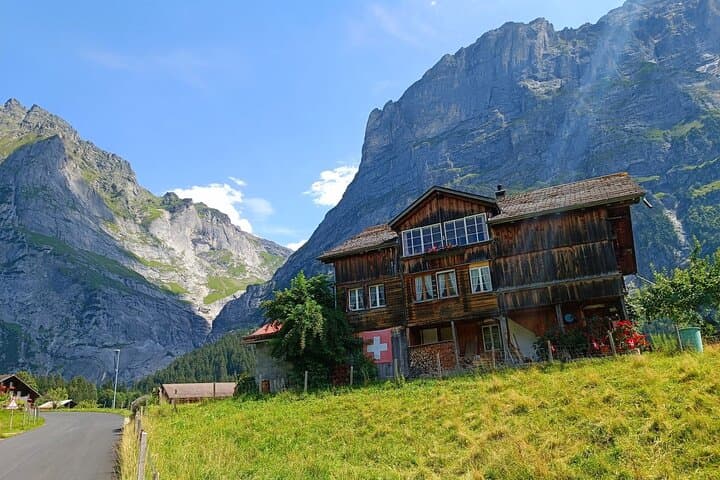
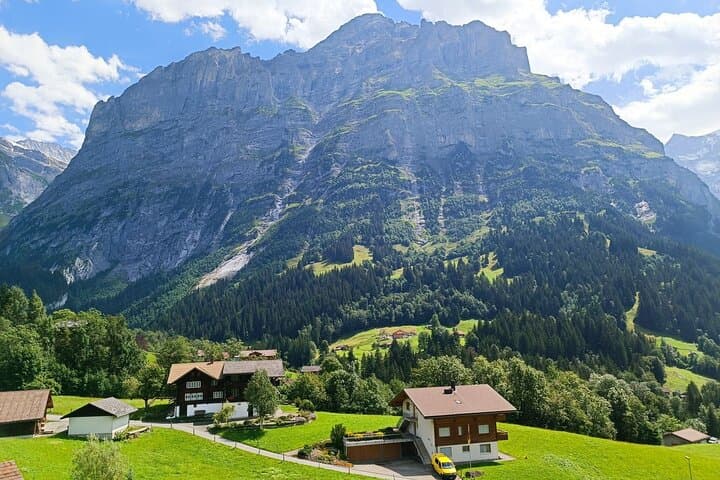
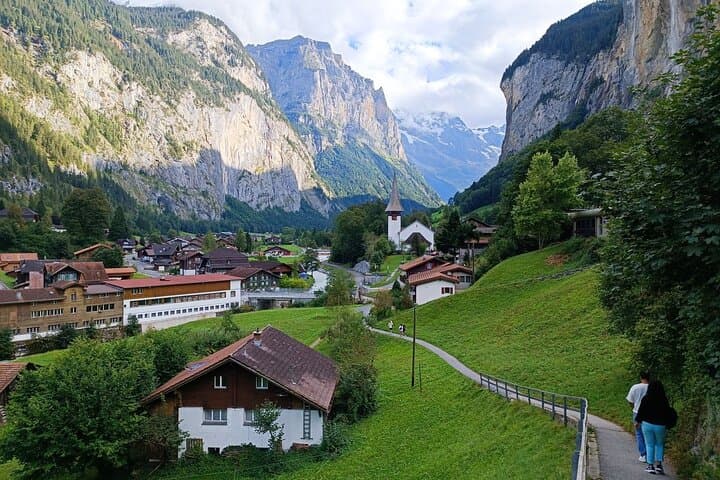
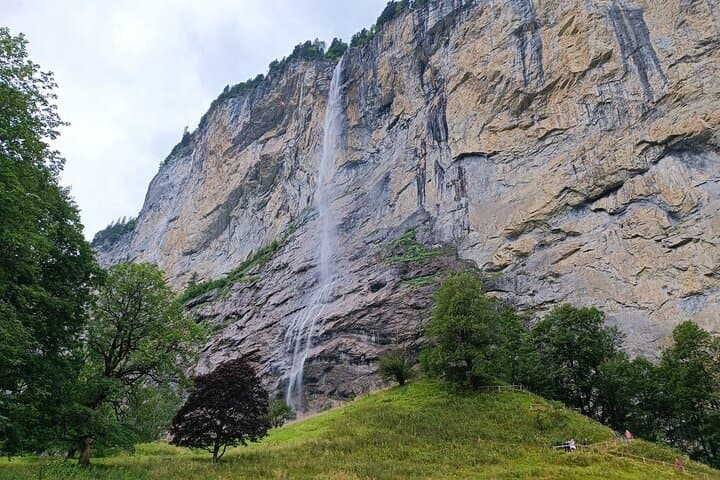
A narrow road threads between lakes and cliffs as the car eases out of Interlaken and the mountains rearrange themselves into sharper angles. The guide opens a window to the valley — waterfalls dare the wind, cable cars stitch villages into the flanks of the Alps, and turquoise Lake Brienz gleams below. In four to six hours a private driver-guide compresses a region of glaciers, meadows and carved limestone into a sequence of stops that feel deliberate rather than rushed.
Verified experiences and guided adventures in the surrounding area.
Operated by Suisse Plus Travel · Interlaken, Bern
A narrow road threads between lakes and cliffs as the car eases out of Interlaken and the mountains rearrange themselves into sharper angles. The guide opens a window to the valley — waterfalls dare the wind, cable cars stitch villages into the flanks of the Alps, and turquoise Lake Brienz gleams below. In four to six hours a private driver-guide compresses a region of glaciers, meadows and carved limestone into a sequence of stops that feel deliberate rather than rushed.
The Bernese Oberland has been a travel magnet since 19th-century alpinists and Grand Tourers began recording its peaks and passes. Geologically it’s young: towering north faces like the Eiger reveal vertical strata and active glacial sculpting. Culturally the area blends pastoral Swiss German villages — Mürren’s timber houses and dialect, Gimmelwald’s car-free lanes — with a long history of hospitality (see the historic Giessbach hotel and its funicular).
Practical guidance is straightforward: customize the route to match weather and mobility — drive to Lauterbrunnen for Staubbachfall and valley views, loop to Trümmelbach for the underground glacier cascades, then visit lakeside Iseltwald or the Schilthorn approach via Mürren. Expect short walks at viewpoints, cableway transfers if you choose Mürren, and a mix of paved and gravel surfaces at small villages.
Bring layered outerwear for alpine microclimates, sensible shoes for quick viewpoints, and some local currency for small cafes or cave admissions. Morning light sharpens the north faces; late afternoon calms crowds and favors lakeside photos. With a local behind the wheel, travelers get context, route flexibility, and the chance to trade a map for stories.
easy.
4–6 hours.
Suitable for all fitness levels; the tour requires only short walks to viewpoints and access points.
Yes — the tour lists hotel pickup and drop-off within the Interlaken area as part of the private service.
Absolutely — the itinerary is fully customizable and the guide will suggest an optimal route based on weather and interests.
Most stopovers like viewpoints are free, but some attractions (e.g., Trümmelbach Falls, cable cars, St. Beatus Caves) may charge admission not covered in the base tour.
The tour suits those with limited mobility for car-based sightseeing, but note there are short walks and some attractions use steps or cable-car platforms—advise the operator of accessibility needs when booking.
The Bernese Oberland became a major alpine destination in the 19th century; historic hotels and early funiculars reflect a long tradition of mountain tourism.
Lauterbrunnen Valley and surrounding high alpine meadows are protected; stick to marked paths, avoid disturbing wildlife, and support local businesses to help preserve fragile landscapes.
Suisse Plus Travel operates guided outdoor trips and adventures with an emphasis on safety, stewardship, and memorable experiences.
A narrow road threads between lakes and cliffs as the car eases out of Interlaken and the mountains rearrange themselves into sharper angles. The guide opens a window to the valley — waterfalls dare the wind, cable cars stitch villages into the flanks of the Alps, and turquoise Lake Brienz gleams below. In four to six hours a private driver-guide compresses a region of glaciers, meadows and carved limestone into a sequence of stops that feel deliberate rather than rushed.
A narrow road threads between lakes and cliffs as the car eases out of Interlaken and the mountains rearrange themselves into sharper angles. The guide opens a window to the valley — waterfalls dare the wind, cable cars stitch villages into the flanks of the Alps, and turquoise Lake Brienz gleams below. In four to six hours a private driver-guide compresses a region of glaciers, meadows and carved limestone into a sequence of stops that feel deliberate rather than rushed.
The Bernese Oberland has been a travel magnet since 19th-century alpinists and Grand Tourers began recording its peaks and passes. Geologically it’s young: towering north faces like the Eiger reveal vertical strata and active glacial sculpting. Culturally the area blends pastoral Swiss German villages — Mürren’s timber houses and dialect, Gimmelwald’s car-free lanes — with a long history of hospitality (see the historic Giessbach hotel and its funicular).
Practical guidance is straightforward: customize the route to match weather and mobility — drive to Lauterbrunnen for Staubbachfall and valley views, loop to Trümmelbach for the underground glacier cascades, then visit lakeside Iseltwald or the Schilthorn approach via Mürren. Expect short walks at viewpoints, cableway transfers if you choose Mürren, and a mix of paved and gravel surfaces at small villages.
Bring layered outerwear for alpine microclimates, sensible shoes for quick viewpoints, and some local currency for small cafes or cave admissions. Morning light sharpens the north faces; late afternoon calms crowds and favors lakeside photos. With a local behind the wheel, travelers get context, route flexibility, and the chance to trade a map for stories.