THE ADVENTURE COLLECTIVE® · Independent discovery and booking for outdoor travel

Walk Insadong with a local host who tailors a three-hour itinerary around art, tea and traditional crafts. Expect galleries, porcelain shops, Jogyesa Temple and a chance to participate in a tea ceremony.
Walk Insadong with a local host who tailors a three-hour itinerary around art, tea and traditional crafts. Expect galleries, porcelain shops, Jogyesa Temple and a chance to participate in a tea ceremony.
You step off the tram of modern Seoul and onto Insadong-gil, where lacquered signs, low tea-house doorways and pop-up stalls press in around you like pages in an illustrated book.
Verified experiences and guided adventures in the surrounding area.
Operated by City Unscripted · Seoul, Seoul
You step off the tram of modern Seoul and onto Insadong-gil, where lacquered signs, low tea-house doorways and pop-up stalls press in around you like pages in an illustrated book.
This three-hour private walk moves at the speed of curiosity: through alleyway galleries, past porcelain shops where centuries of craft still shape bowls, and across the small paved square in front of Jogyesa Temple where temple bells slice the city's hum. Insadong has been a commercial and cultural spine since the late Joseon era — an area where antique dealers, calligraphers and contemporary makers overlap on a single street.
Geologically the neighborhood sits on Seoul’s low river plain, hemmed by granite outcrops that shaped older neighborhoods into compact, walkable pockets; culturally it reflects Korea’s push-and-pull between preservation and reinvention. Your host will point out Ssamziegil’s layered ramp architecture, explain hanji paper techniques, and can arrange a short tea ceremony in a traditional teahouse to demonstrate ritual and taste.
Practically: expect light walking on paved streets and occasional stairs, flexible timing and the option to use public transit. Bring small cash for street snacks, wear comfortable shoes, and plan for a slow, inquisitive pace rather than a checklist. Morning or late-afternoon visits cut the crowds; winter visits mean fewer open courtyard stalls but cozier tea rooms. The private format makes this ideal for focused learning — artisans, history, and tea available on your schedule.
easy.
3 hours.
Suitable for most fitness levels; requires standing and light walking for up to three hours.
Your host will confirm a central meeting location in Insadong or arrange a hotel meet-up in a central area upon request.
Yes—this experience is listed as wheelchair and stroller accessible; inform the host in advance so they can plan the route.
Yes—the tour is private and personalized; you can change priorities during the walk and your host will adapt the plan.
This walking tour is primarily a guided visit—entrance fees or paid tastings are typically not included unless agreed with the host ahead of time.
Insadong became a craft and antiques hub during the late Joseon period and consolidated as an arts district through 20th-century urban redevelopment.
Small shops can be fragile businesses; support local artisans with mindful purchases and avoid single-use plastics to reduce market waste.
City Unscripted operates guided outdoor trips and adventures with an emphasis on safety, stewardship, and memorable experiences.
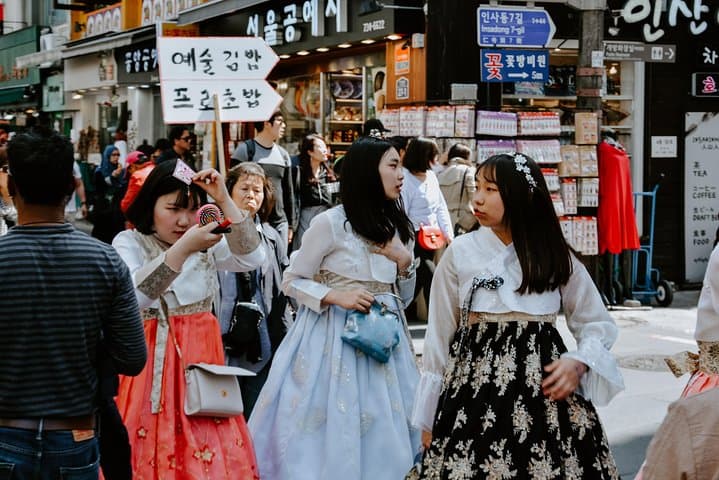
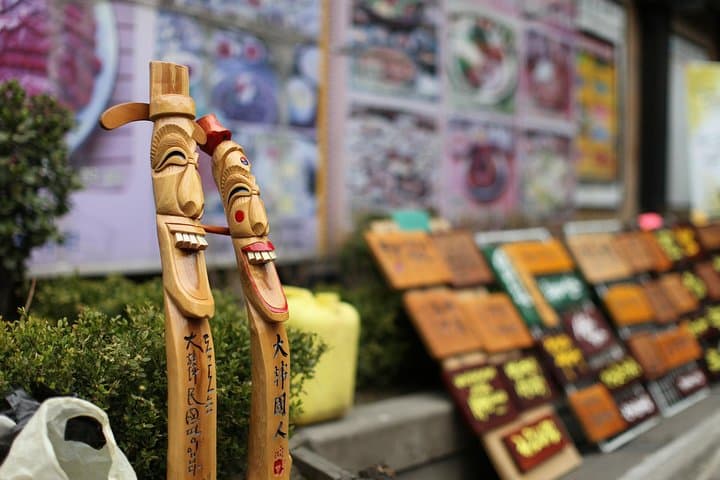
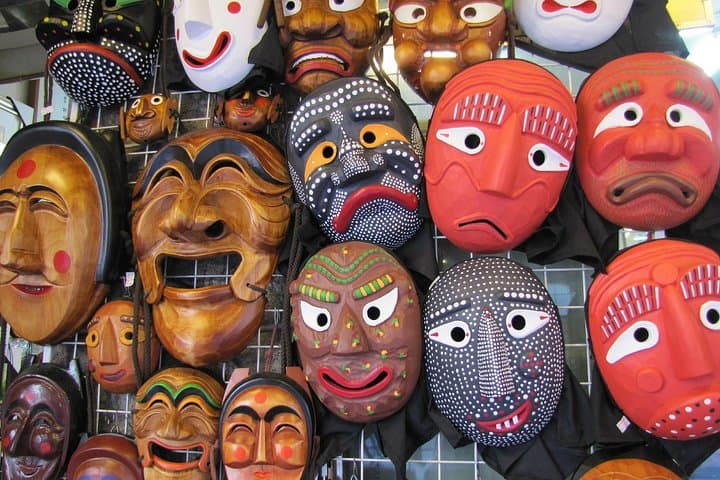
You step off the tram of modern Seoul and onto Insadong-gil, where lacquered signs, low tea-house doorways and pop-up stalls press in around you like pages in an illustrated book.
You step off the tram of modern Seoul and onto Insadong-gil, where lacquered signs, low tea-house doorways and pop-up stalls press in around you like pages in an illustrated book.
This three-hour private walk moves at the speed of curiosity: through alleyway galleries, past porcelain shops where centuries of craft still shape bowls, and across the small paved square in front of Jogyesa Temple where temple bells slice the city's hum. Insadong has been a commercial and cultural spine since the late Joseon era — an area where antique dealers, calligraphers and contemporary makers overlap on a single street.
Geologically the neighborhood sits on Seoul’s low river plain, hemmed by granite outcrops that shaped older neighborhoods into compact, walkable pockets; culturally it reflects Korea’s push-and-pull between preservation and reinvention. Your host will point out Ssamziegil’s layered ramp architecture, explain hanji paper techniques, and can arrange a short tea ceremony in a traditional teahouse to demonstrate ritual and taste.
Practically: expect light walking on paved streets and occasional stairs, flexible timing and the option to use public transit. Bring small cash for street snacks, wear comfortable shoes, and plan for a slow, inquisitive pace rather than a checklist. Morning or late-afternoon visits cut the crowds; winter visits mean fewer open courtyard stalls but cozier tea rooms. The private format makes this ideal for focused learning — artisans, history, and tea available on your schedule.