THE ADVENTURE COLLECTIVE® · Independent discovery and booking for outdoor travel

Spend a day between Inle Lake’s floating villages and the ancient Pindaya Caves—boat rides, hill‑tribe villages, and workshops producing paper umbrellas and pottery. This full‑day route combines geology, culture, and practical travel tips for an accessible Shan‑State adventure.
Spend a day between Inle Lake’s floating villages and the ancient Pindaya Caves—boat rides, hill‑tribe villages, and workshops producing paper umbrellas and pottery. This full‑day route combines geology, culture, and practical travel tips for an accessible Shan‑State adventure.
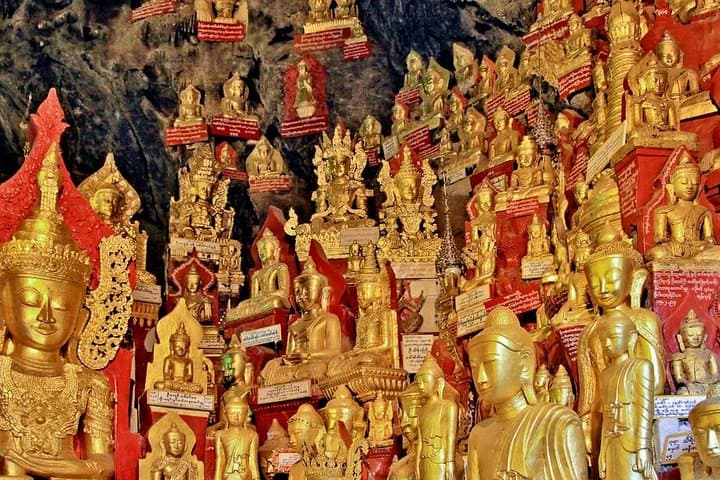
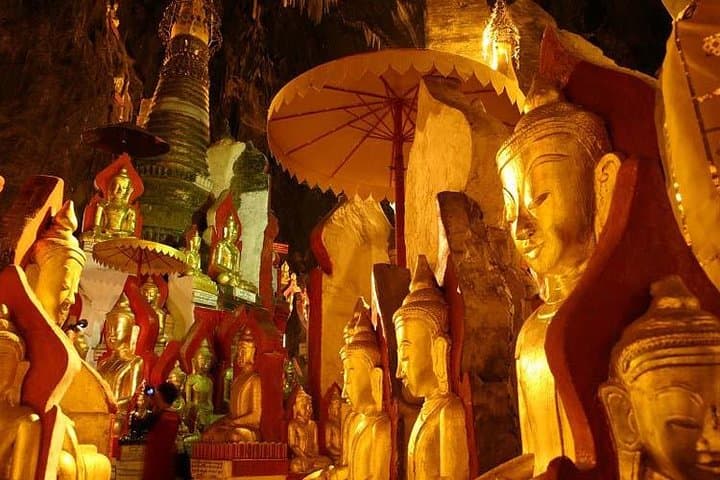
A slow wooden boat parts the morning mist on Inle Lake as your guide points toward a ribbon of hills where limestone caves gape like old doors. The day begins with the lake’s living gardens and stilt-house villages—fishermen balancing on one leg, nets slicing the water—before a road climb through Shan villages to Pindaya, where stairways lead into caves lined with thousands of Buddha images.
Verified experiences and guided adventures in the surrounding area.
Operated by Astoria Travels Tours · Nyaung Shwe, Shan State
A slow wooden boat parts the morning mist on Inle Lake as your guide points toward a ribbon of hills where limestone caves gape like old doors. The day begins with the lake’s living gardens and stilt-house villages—fishermen balancing on one leg, nets slicing the water—before a road climb through Shan villages to Pindaya, where stairways lead into caves lined with thousands of Buddha images.
Geology here is plain in the bones: karst limestone sculpted by water over millennia, forming chambers that local Buddhists have filled with statues for centuries. Cultural notes thread through the route—Shan paper-umbrella workshops, small potteries shaping clay on foot-powered wheels, and the 15‑meter Shwe U Min Pagoda that stands at the cave mouth, watching the valley.
Expect roughly eight hours of moving between boat, road, and short walks. Terrain includes uneven cave steps, village lanes, and a few short hill climbs; moderation in fitness helps. The tour balances contemplative stops in meditation chambers with hands-on visits to craftspeople and a local lunch.
Travel practicalities: wear footwear with grip for cave steps and wet docks, bring sun protection and a light rain layer in the wet season, and carry cash for small purchases at workshops. Respect temple dress codes—shoulders and knees covered—and leave large bags at the hotel if possible. Early pickup and daylight timing make this a dependable single-day loop that mixes natural scenery, living craft traditions, and a striking dose of Burmese cultural history.
moderate.
8 hours.
Moderate fitness: able to step up stairways, walk on uneven surfaces, and tolerate several short transfers.
Yes—this tour includes hotel pickup and drop-off in the Inle/Nyaung Shwe area.
The Pindaya caves have many uneven steps and low ceilings in spots; proceed carefully and allow extra time for slow sections.
A local restaurant lunch is included on the itinerary; inform the operator of dietary restrictions when booking.
The tour is family-friendly but requires moderate mobility—those with serious heart or mobility issues should reconsider due to stairs and transfers.
Pindaya’s caves have been a regional pilgrimage site for centuries and contain thousands of Buddha images donated over generations; the area also preserves traditional Shan crafts like paper umbrella‑making.
The caves and lake are sensitive environments—avoid touching Buddha statues, minimize plastic use, and support local workshops rather than mass-produced souvenirs.
Astoria Travels Tours operates guided outdoor trips and adventures with an emphasis on safety, stewardship, and memorable experiences.
A slow wooden boat parts the morning mist on Inle Lake as your guide points toward a ribbon of hills where limestone caves gape like old doors. The day begins with the lake’s living gardens and stilt-house villages—fishermen balancing on one leg, nets slicing the water—before a road climb through Shan villages to Pindaya, where stairways lead into caves lined with thousands of Buddha images.
A slow wooden boat parts the morning mist on Inle Lake as your guide points toward a ribbon of hills where limestone caves gape like old doors. The day begins with the lake’s living gardens and stilt-house villages—fishermen balancing on one leg, nets slicing the water—before a road climb through Shan villages to Pindaya, where stairways lead into caves lined with thousands of Buddha images.
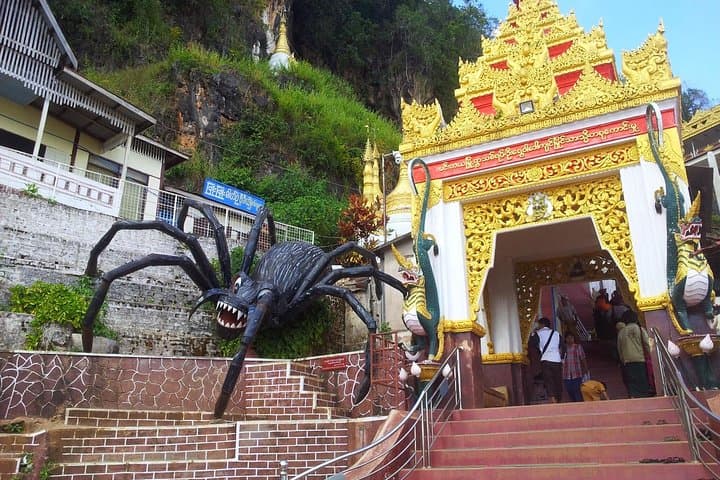
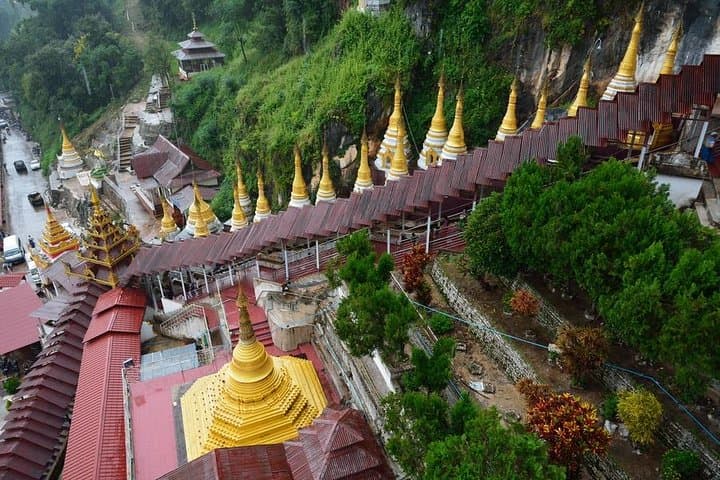
Geology here is plain in the bones: karst limestone sculpted by water over millennia, forming chambers that local Buddhists have filled with statues for centuries. Cultural notes thread through the route—Shan paper-umbrella workshops, small potteries shaping clay on foot-powered wheels, and the 15‑meter Shwe U Min Pagoda that stands at the cave mouth, watching the valley.
Expect roughly eight hours of moving between boat, road, and short walks. Terrain includes uneven cave steps, village lanes, and a few short hill climbs; moderation in fitness helps. The tour balances contemplative stops in meditation chambers with hands-on visits to craftspeople and a local lunch.
Travel practicalities: wear footwear with grip for cave steps and wet docks, bring sun protection and a light rain layer in the wet season, and carry cash for small purchases at workshops. Respect temple dress codes—shoulders and knees covered—and leave large bags at the hotel if possible. Early pickup and daylight timing make this a dependable single-day loop that mixes natural scenery, living craft traditions, and a striking dose of Burmese cultural history.