THE ADVENTURE COLLECTIVE® · Independent discovery and booking for outdoor travel

Walk the largest Inca complex in Ecuador on a full-day excursion from Cuenca. This practical guide covers what to expect at Ingapirca—history, terrain, what to pack, and timing tips for a smoother visit.
Walk the largest Inca complex in Ecuador on a full-day excursion from Cuenca. This practical guide covers what to expect at Ingapirca—history, terrain, what to pack, and timing tips for a smoother visit.
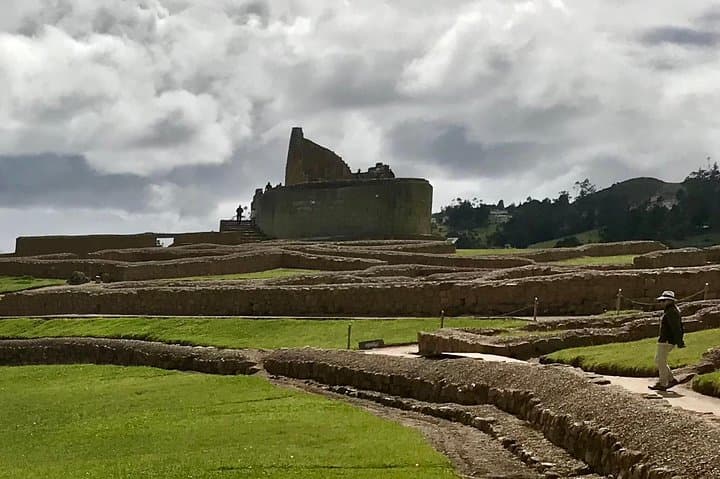
You arrive on a highland plain where wind sculpts the grass and the tower-like Temple of the Sun rises against a wide Andean sky. The stones here still fit together with a precision that slows your step; the air smells of dust, grilled corn from a roadside stall, and fields kept by hands that read the seasons.
Verified experiences and guided adventures in the surrounding area.
Operated by Thomas Youman · Ingapirca, Cañar
You arrive on a highland plain where wind sculpts the grass and the tower-like Temple of the Sun rises against a wide Andean sky. The stones here still fit together with a precision that slows your step; the air smells of dust, grilled corn from a roadside stall, and fields kept by hands that read the seasons.
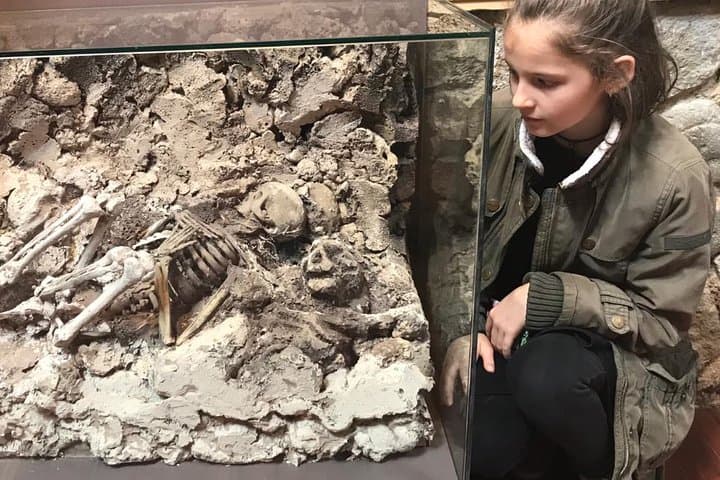
Ingapirca is Ecuador's most important Inca complex, built where Inca engineering met earlier Cañari settlements. The site's central elliptical tower was an astronomical and ceremonial platform; around it lie terraces, storage houses and a small museum that explains the site's role in regional trade and colonial encounters. Geologically, the site sits on uplifted volcanic soils and shale outcrops—rock that both provided building material and demanded careful drainage engineering by its builders.
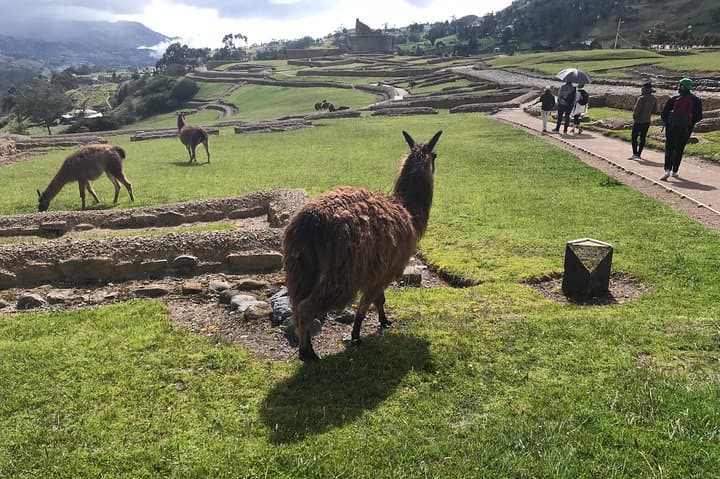
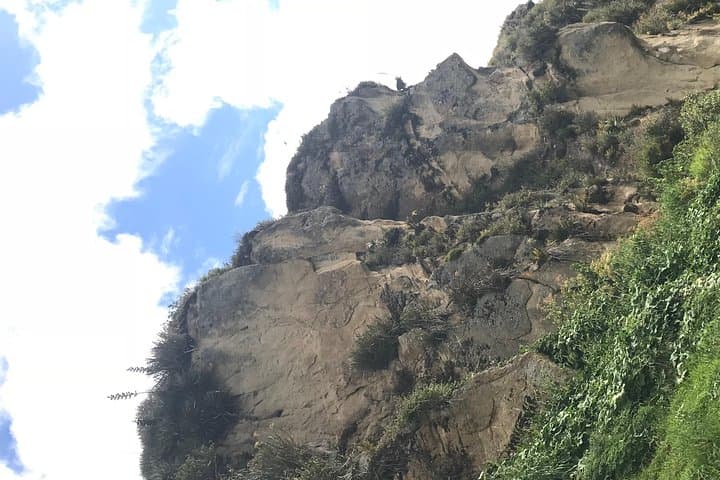
Local culture remains visible: the surrounding villages maintain livestock, and a dramatic rock face called the "Inca Face" watches the valley, a quiet landmark for shepherds and riders. The tour often finishes at a nearby country restaurant where Andean dishes and highland hospitality are part of the experience.
Practical guidance: expect uneven stone steps and exposed sun—good footwear and layered clothing matter. The standard full-day tour from Cuenca includes transport, museum admission, and a meal; the schedule typically allows an hour at the main complex and time for nearby viewpoints. Bring sunscreen, water, and a light windproof layer—the highland weather can shift quickly. Arrive earlier in the day for softer light and fewer tour groups, and leave enough time to savor the restaurant stop en route back to Cuenca.
easy.
8 hours.
Suitable for most fitness levels; should be able to walk on uneven terrain for an hour at a time
Yes—standard full-day tours typically include round-trip transport from Cuenca in an air-conditioned vehicle.
Most packages include museum admission and a meal or snacks; confirm specific menu or dietary needs when booking.
Some areas and transportation notes state accessibility, but the archaeological terraces and steps are uneven and limit full access—contact the operator for detailed assistance.
Morning offers softer light and fewer visitors; afternoons can be windier and cloudier, especially during the wet season.
Ingapirca blends Cañari and Inca architecture; the site served as an administrative and religious center during the late 15th century before Spanish contact altered regional power structures.
Visitor pressure and grazing impact fragile terraces—stick to marked paths, avoid climbing on ruins, and support local guides who fund conservation efforts.
Thomas Youman operates guided outdoor trips and adventures with an emphasis on safety, stewardship, and memorable experiences.
You arrive on a highland plain where wind sculpts the grass and the tower-like Temple of the Sun rises against a wide Andean sky. The stones here still fit together with a precision that slows your step; the air smells of dust, grilled corn from a roadside stall, and fields kept by hands that read the seasons.
You arrive on a highland plain where wind sculpts the grass and the tower-like Temple of the Sun rises against a wide Andean sky. The stones here still fit together with a precision that slows your step; the air smells of dust, grilled corn from a roadside stall, and fields kept by hands that read the seasons.
Ingapirca is Ecuador's most important Inca complex, built where Inca engineering met earlier Cañari settlements. The site's central elliptical tower was an astronomical and ceremonial platform; around it lie terraces, storage houses and a small museum that explains the site's role in regional trade and colonial encounters. Geologically, the site sits on uplifted volcanic soils and shale outcrops—rock that both provided building material and demanded careful drainage engineering by its builders.
Local culture remains visible: the surrounding villages maintain livestock, and a dramatic rock face called the "Inca Face" watches the valley, a quiet landmark for shepherds and riders. The tour often finishes at a nearby country restaurant where Andean dishes and highland hospitality are part of the experience.
Practical guidance: expect uneven stone steps and exposed sun—good footwear and layered clothing matter. The standard full-day tour from Cuenca includes transport, museum admission, and a meal; the schedule typically allows an hour at the main complex and time for nearby viewpoints. Bring sunscreen, water, and a light windproof layer—the highland weather can shift quickly. Arrive earlier in the day for softer light and fewer tour groups, and leave enough time to savor the restaurant stop en route back to Cuenca.