THE ADVENTURE COLLECTIVE® · Independent discovery and booking for outdoor travel

Drive from Marrakech into the High Atlas to meet Berber villages, walk village trails, and glimpse Toubkal on a private day trip. This route mixes gentle valley walks, optional mule rides and a mountain lunch—ideal for travelers who want a compact mountain experience.
Drive from Marrakech into the High Atlas to meet Berber villages, walk village trails, and glimpse Toubkal on a private day trip. This route mixes gentle valley walks, optional mule rides and a mountain lunch—ideal for travelers who want a compact mountain experience.
The road leaves Marrakech behind and the city heat thins as the High Atlas pushes up from the plain. By midmorning the cabernet-colored earth turns to stony tracks and walnut trees, and Imlil appears: stacked flat-roofed houses, terraces, and shepherd dogs moving with casual authority. The valley’s air carries dust, wood smoke and the faint metallic tang of distant streams daring you to follow higher.
Verified experiences and guided adventures in the surrounding area.
Operated by Smart Morocco Tours Excursions · Imlil, Marrakech-Safi
The road leaves Marrakech behind and the city heat thins as the High Atlas pushes up from the plain. By midmorning the cabernet-colored earth turns to stony tracks and walnut trees, and Imlil appears: stacked flat-roofed houses, terraces, and shepherd dogs moving with casual authority. The valley’s air carries dust, wood smoke and the faint metallic tang of distant streams daring you to follow higher.
This pocket of the Atlas is the ancestral land of the Amazigh (Berber) people; villages like Aremd and Asni grew around seasonal pastures and caravan routes. Geologically the range is young and rugged—folded sedimentary and volcanic rock thrust skyward by the Atlas orogeny—creating steep gullies that funnel winter snows into the valley below and feed the irrigation channels that sustain orchards.
Culture here is practical and tactile: stone terraces, stacked wood, and mule tracks that have become tourist routes. A short walk to the chapel at Sidi Chamharouch gives clear sightlines to Jebel Toubkal, North Africa’s highest peak, while small market stalls sell argan oil, handwoven hats and mint tea poured with ritual patience.
On a private day trip you’ll trade kilometers on a comfortable vehicle for short guided walks, optional mule rides and a mountain lunch. Expect uneven village paths, loose scree above village levels and kilometres of gentle valley walking; bring sun protection, layered clothing for temperature swings and water. If you’re planning a longer trek, use Imlil as an acclimatization base and hire local guides—its trails are the practical gateway to higher, more technical routes.
moderate.
7 hours.
Suitable for travelers in average physical condition who can walk 2–6 miles on uneven ground; not technical but involves short climbs and loose terrain.
No—this private day trip is designed for a wide range of fitness levels with short guided walks and optional mule rides; basic mobility for uneven paths is helpful.
Yes—lunch is included and typically consists of a mountain-style meal with local salads, tagine or couscous and mint tea served at a guesthouse or family-run restaurant.
Yes—mule rides are commonly offered for short transfers or to reach higher viewpoints; let the operator know in advance if you want a ride.
The drive to Imlil takes about 1–1.5 hours each way depending on traffic and stops, making the tour a full-day experience (roughly seven hours including travel and activities).
The High Atlas has long been settled by Amazigh (Berber) communities whose villages and irrigation terraces reflect centuries of mountain agriculture and trans-Saharan trade connections.
Visitors should minimize plastic waste, stick to marked paths to prevent erosion, and hire local guides and services to ensure tourism revenue supports local communities.
Smart Morocco Tours Excursions operates guided outdoor trips and adventures with an emphasis on safety, stewardship, and memorable experiences.
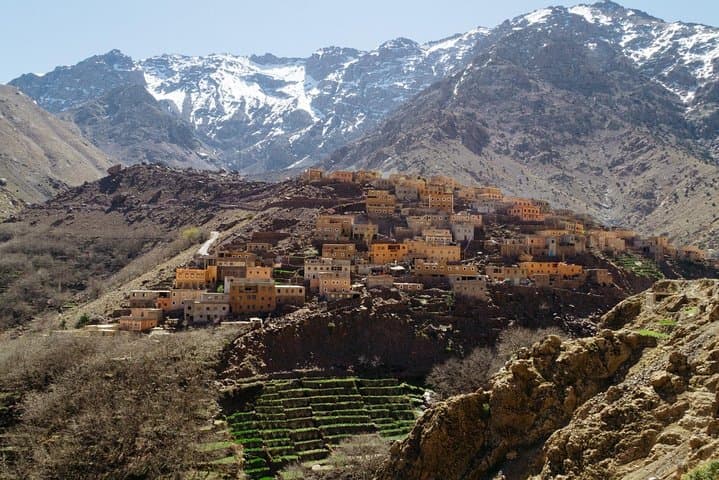
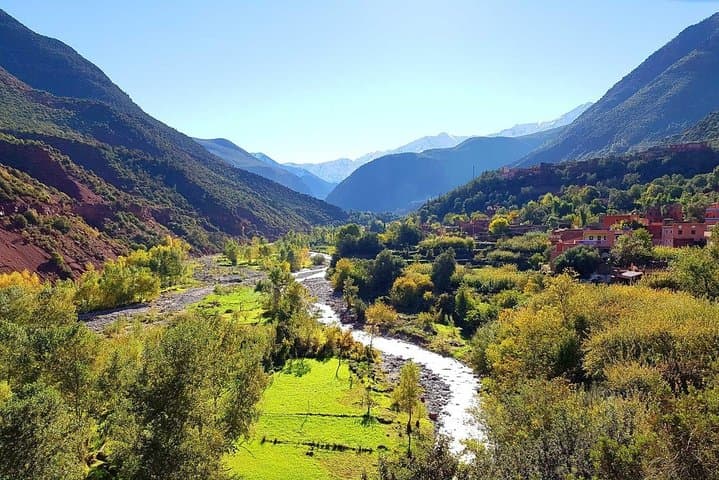
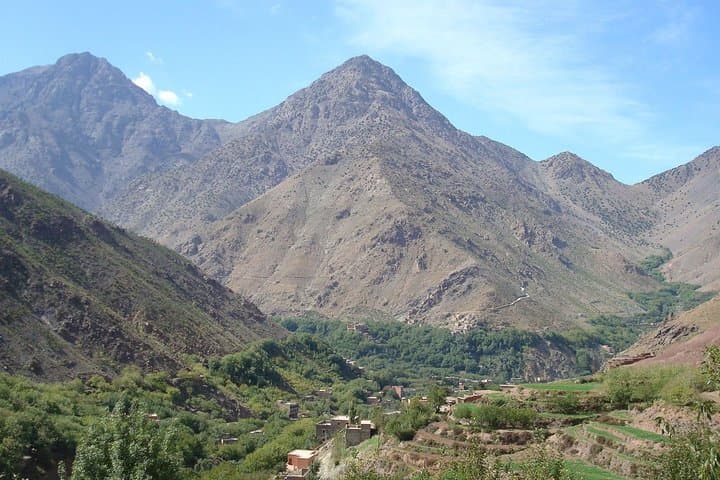
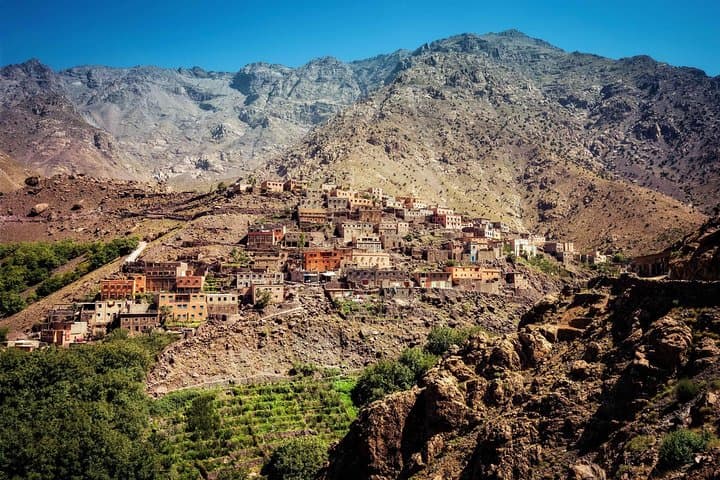
The road leaves Marrakech behind and the city heat thins as the High Atlas pushes up from the plain. By midmorning the cabernet-colored earth turns to stony tracks and walnut trees, and Imlil appears: stacked flat-roofed houses, terraces, and shepherd dogs moving with casual authority. The valley’s air carries dust, wood smoke and the faint metallic tang of distant streams daring you to follow higher.
The road leaves Marrakech behind and the city heat thins as the High Atlas pushes up from the plain. By midmorning the cabernet-colored earth turns to stony tracks and walnut trees, and Imlil appears: stacked flat-roofed houses, terraces, and shepherd dogs moving with casual authority. The valley’s air carries dust, wood smoke and the faint metallic tang of distant streams daring you to follow higher.
This pocket of the Atlas is the ancestral land of the Amazigh (Berber) people; villages like Aremd and Asni grew around seasonal pastures and caravan routes. Geologically the range is young and rugged—folded sedimentary and volcanic rock thrust skyward by the Atlas orogeny—creating steep gullies that funnel winter snows into the valley below and feed the irrigation channels that sustain orchards.
Culture here is practical and tactile: stone terraces, stacked wood, and mule tracks that have become tourist routes. A short walk to the chapel at Sidi Chamharouch gives clear sightlines to Jebel Toubkal, North Africa’s highest peak, while small market stalls sell argan oil, handwoven hats and mint tea poured with ritual patience.
On a private day trip you’ll trade kilometers on a comfortable vehicle for short guided walks, optional mule rides and a mountain lunch. Expect uneven village paths, loose scree above village levels and kilometres of gentle valley walking; bring sun protection, layered clothing for temperature swings and water. If you’re planning a longer trek, use Imlil as an acclimatization base and hire local guides—its trails are the practical gateway to higher, more technical routes.