THE ADVENTURE COLLECTIVE® · Independent discovery and booking for outdoor travel

Walk the boardwalks of Iguazú’s Argentine circuit, stand above Devil’s Throat and enjoy an included lunch on a full‑day guided tour. Practical logistics and accessible viewpoints make this a high‑value way to experience the falls.
Walk the boardwalks of Iguazú’s Argentine circuit, stand above Devil’s Throat and enjoy an included lunch on a full‑day guided tour. Practical logistics and accessible viewpoints make this a high‑value way to experience the falls.
Morning mist rises in sheets off the gorge as the group steps onto the wooden walkways of the Circuito Cataratas Argentina. The roar of water frames the approach; spray dots jackets and camera lenses while the Devil’s Throat pushes an 82‑meter curtain into the abyss. Guides keep a steady pace, pointing out viewpoints where cascades split and rejoin, and where the jungle presses close enough to feel humid breaths on the back of your neck.
Verified experiences and guided adventures in the surrounding area.
Operated by AMAZING RJ TOUR · Puerto Iguazú, Misiones
Morning mist rises in sheets off the gorge as the group steps onto the wooden walkways of the Circuito Cataratas Argentina. The roar of water frames the approach; spray dots jackets and camera lenses while the Devil’s Throat pushes an 82‑meter curtain into the abyss. Guides keep a steady pace, pointing out viewpoints where cascades split and rejoin, and where the jungle presses close enough to feel humid breaths on the back of your neck.
Iguazú Falls sits on the Misiones plateau, a site protected since Argentina established the national park in 1934 and later named a UNESCO World Heritage Site. Geologically, the falls mark hard basalt layers over softer sediments; erosion has carved the stepped cliff line that produces the park’s 275 drops. Culturally the place is shared—access, management and visitor routes differ on the Argentine and Brazilian sides—so practical logistics matter. Trains and boardwalks minimize soil disturbance, while restoration projects and an engineered wastewater system protect the forest.
On the ground, expect accessible boardwalks, stair sections and short bridges; many viewpoints are stroller- and wheelchair-friendly but there are wet, slippery sections near the overlooks. Lunch is included, and the tour balances relaxed photo stops with short interpretive talks. Bring a waterproof layer and quick‑dry clothes, secure your electronics from spray, and allow time for immigration formalities if you cross the border. Aim to arrive early to avoid the midday crowds and to see the light that sharpens the falls’ profiles.
easy.
8–10 hours.
Suitable for most adults; requires repeated short walks on boardwalks and stairs but no technical climbing.
Yes—this tour includes a midday meal; specifics depend on the operator but lunch is provided as part of the package.
You will need a passport if crossing the border; check visa requirements for Argentina based on your nationality and allow time for immigration procedures.
Many boardwalks and principal viewpoints are accessible, but some paths include steps or wet sections—contact the operator ahead for accommodations.
Entrance to the Argentine side is included with this tour according to the itinerary details, but always reconfirm at booking in case of changes.
Iguazú National Park was created in 1934 and later designated a UNESCO World Heritage Site; the falls have been a cross‑border focal point for conservation and tourism for decades.
Park management emphasizes minimal impact infrastructure—trains and boardwalks—plus restoration and wastewater systems; visitors should stay on paths and avoid feeding wildlife.
AMAZING RJ TOUR operates guided outdoor trips and adventures with an emphasis on safety, stewardship, and memorable experiences.
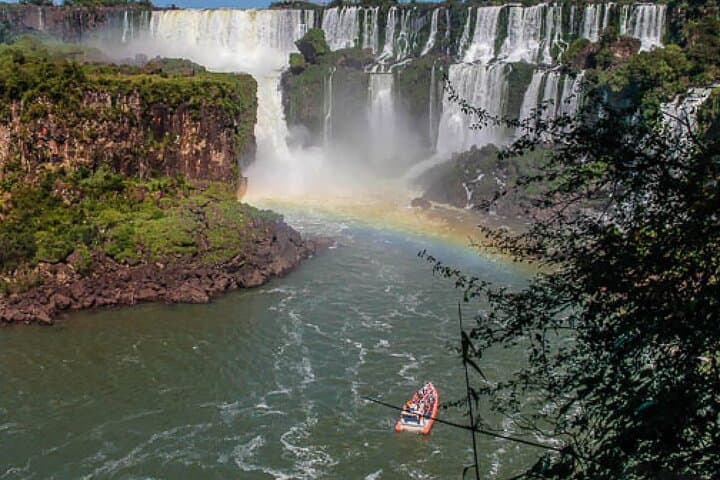
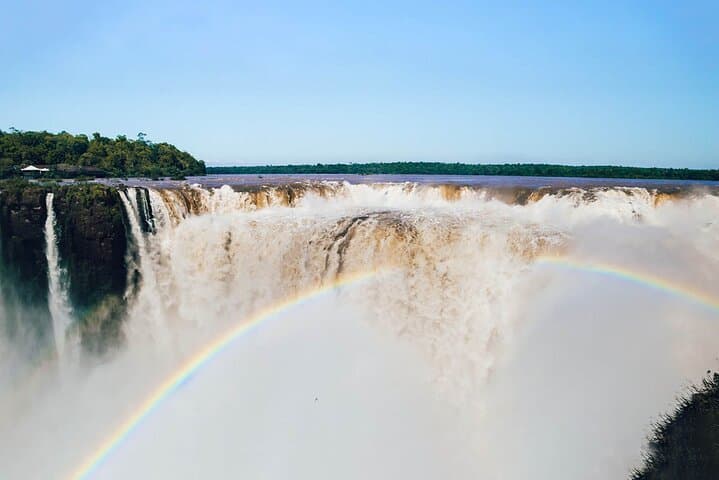
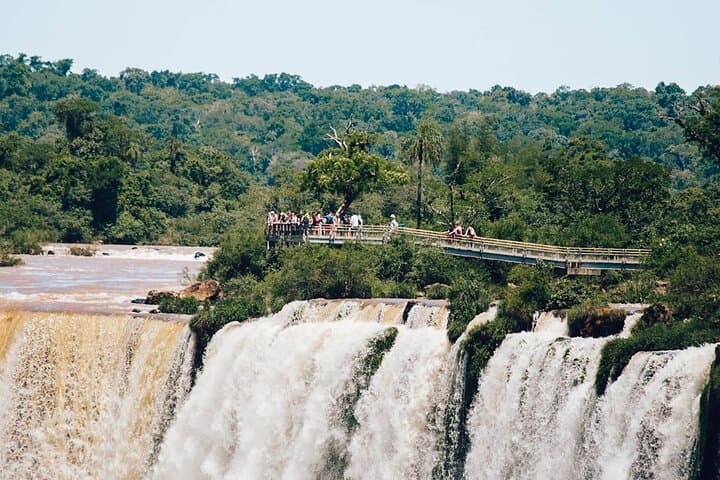
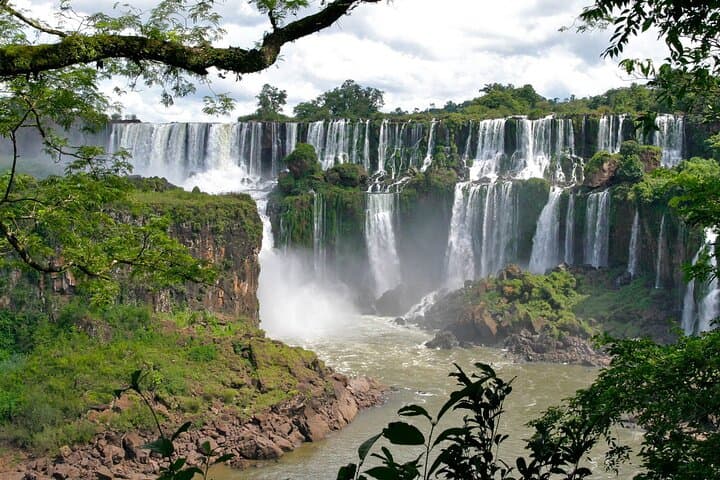
Morning mist rises in sheets off the gorge as the group steps onto the wooden walkways of the Circuito Cataratas Argentina. The roar of water frames the approach; spray dots jackets and camera lenses while the Devil’s Throat pushes an 82‑meter curtain into the abyss. Guides keep a steady pace, pointing out viewpoints where cascades split and rejoin, and where the jungle presses close enough to feel humid breaths on the back of your neck.
Morning mist rises in sheets off the gorge as the group steps onto the wooden walkways of the Circuito Cataratas Argentina. The roar of water frames the approach; spray dots jackets and camera lenses while the Devil’s Throat pushes an 82‑meter curtain into the abyss. Guides keep a steady pace, pointing out viewpoints where cascades split and rejoin, and where the jungle presses close enough to feel humid breaths on the back of your neck.
Iguazú Falls sits on the Misiones plateau, a site protected since Argentina established the national park in 1934 and later named a UNESCO World Heritage Site. Geologically, the falls mark hard basalt layers over softer sediments; erosion has carved the stepped cliff line that produces the park’s 275 drops. Culturally the place is shared—access, management and visitor routes differ on the Argentine and Brazilian sides—so practical logistics matter. Trains and boardwalks minimize soil disturbance, while restoration projects and an engineered wastewater system protect the forest.
On the ground, expect accessible boardwalks, stair sections and short bridges; many viewpoints are stroller- and wheelchair-friendly but there are wet, slippery sections near the overlooks. Lunch is included, and the tour balances relaxed photo stops with short interpretive talks. Bring a waterproof layer and quick‑dry clothes, secure your electronics from spray, and allow time for immigration formalities if you cross the border. Aim to arrive early to avoid the midday crowds and to see the light that sharpens the falls’ profiles.