THE ADVENTURE COLLECTIVE® · Independent discovery and booking for outdoor travel

A private half-day transfer from Puerto Iguazú takes you to Parque das Aves and the Brazilian viewpoints of Iguaçu Falls. Expect close bird encounters, sweeping panoramic platforms, and practical tips for timing, footwear, and border logistics.
A private half-day transfer from Puerto Iguazú takes you to Parque das Aves and the Brazilian viewpoints of Iguaçu Falls. Expect close bird encounters, sweeping panoramic platforms, and practical tips for timing, footwear, and border logistics.
You step out of the air-conditioned vehicle and humidity immediately finds you — the river seems to be breathing. On the Brazilian side, walkways stretch toward the roar: a broad panorama of cataracts that demand attention. The falls here push air and spray across the plateau; the currents dare you to get closer and the viewing platforms reward the bold with a full-face view of water dropping into the gorge.
Verified experiences and guided adventures in the surrounding area.
Operated by Neumann Operadora de Receptivo · Puerto Iguazú, Misiones
You step out of the air-conditioned vehicle and humidity immediately finds you — the river seems to be breathing. On the Brazilian side, walkways stretch toward the roar: a broad panorama of cataracts that demand attention. The falls here push air and spray across the plateau; the currents dare you to get closer and the viewing platforms reward the bold with a full-face view of water dropping into the gorge.
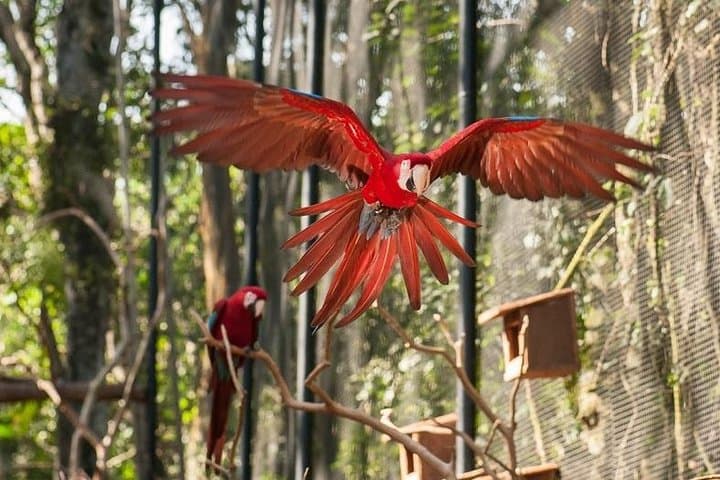
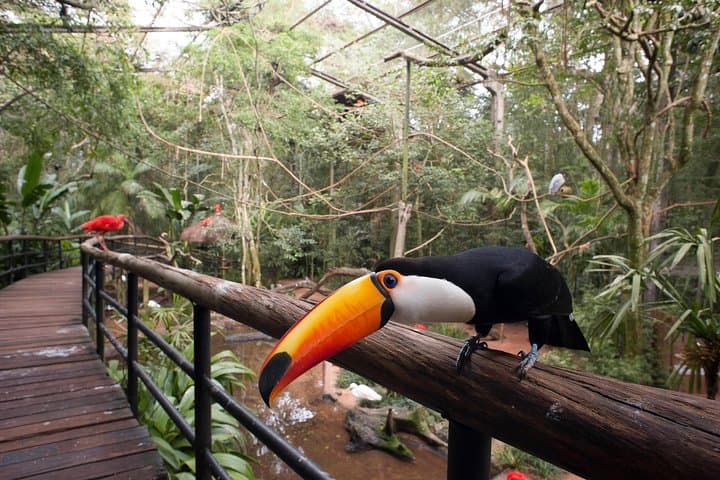
Begin at Parque das Aves, where macaws wheel overhead and rescued toucans pose on low branches. The aviary is a purpose-built refuge and breeding center with more than 140 species; half the birds are rescues and many were born in the park. Then cross into Iguassu National Park (Brazil) for the catwalks and panoramic ramps that reveal the falls’ geology — layered basalt from ancient lava flows carved by water over millennia — and the Guarani cultural landscape around the rivers.
Practical guide: expect 4–5 hours round-trip from Puerto Iguazú, with mostly flat, well-maintained paths in both sites and several short stair sections at viewpoints. Wear closed, grippy shoes and a lightweight rain jacket; conditions change fast where spray puts moisture in the air. Bring a reusable water bottle, sun protection, and a small dry bag for electronics. Private transport with a guide simplifies border logistics, but carry passport details and allow time for entry formalities. Early morning light and lower crowds make for the best photographs and cooler walking.
easy.
4–5 hours.
Light walking on mostly flat paths with short stair sections; suitable for most fitness levels.
Yes — you must carry a valid passport and any required visas; your guide can advise on current entry rules but you are responsible for required documents.
This tour’s price often excludes entrance fees; check the booking details and budget for park and aviary tickets separately.
Paths are well maintained and mostly flat, but there are stair sections; participants with mobility concerns should notify the operator in advance.
Early morning offers cooler temperatures and thinner crowds; weekdays outside peak holiday periods are quieter.
The Iguassu canyon formed where basaltic flows resisted erosion, creating the stepped drop of the falls; the surrounding area has long been home to Guarani communities.
Both Parque das Aves and Iguassu National Park focus on rescue, rehabilitation and habitat protection; visitors are asked to stay on paths and avoid feeding wildlife.
Neumann Operadora de Receptivo operates guided outdoor trips and adventures with an emphasis on safety, stewardship, and memorable experiences.


You step out of the air-conditioned vehicle and humidity immediately finds you — the river seems to be breathing. On the Brazilian side, walkways stretch toward the roar: a broad panorama of cataracts that demand attention. The falls here push air and spray across the plateau; the currents dare you to get closer and the viewing platforms reward the bold with a full-face view of water dropping into the gorge.
You step out of the air-conditioned vehicle and humidity immediately finds you — the river seems to be breathing. On the Brazilian side, walkways stretch toward the roar: a broad panorama of cataracts that demand attention. The falls here push air and spray across the plateau; the currents dare you to get closer and the viewing platforms reward the bold with a full-face view of water dropping into the gorge.
Begin at Parque das Aves, where macaws wheel overhead and rescued toucans pose on low branches. The aviary is a purpose-built refuge and breeding center with more than 140 species; half the birds are rescues and many were born in the park. Then cross into Iguassu National Park (Brazil) for the catwalks and panoramic ramps that reveal the falls’ geology — layered basalt from ancient lava flows carved by water over millennia — and the Guarani cultural landscape around the rivers.
Practical guide: expect 4–5 hours round-trip from Puerto Iguazú, with mostly flat, well-maintained paths in both sites and several short stair sections at viewpoints. Wear closed, grippy shoes and a lightweight rain jacket; conditions change fast where spray puts moisture in the air. Bring a reusable water bottle, sun protection, and a small dry bag for electronics. Private transport with a guide simplifies border logistics, but carry passport details and allow time for entry formalities. Early morning light and lower crowds make for the best photographs and cooler walking.