THE ADVENTURE COLLECTIVE® · Independent discovery and booking for outdoor travel

Spend a day between Debrecen and Hortobágy National Park on a private tour that pairs steppe scenery with living pastoral traditions. Expect horsemen shows, carriage rides, and a concise introduction to Hungary’s historic shepherd culture.
Spend a day between Debrecen and Hortobágy National Park on a private tour that pairs steppe scenery with living pastoral traditions. Expect horsemen shows, carriage rides, and a concise introduction to Hungary’s historic shepherd culture.
You step off the private vehicle into an open plain where wind moves in wide, clean arcs and the long grass seems to push you along the track. The Nine-arch Bridge rises ahead, low and stone-still, while mounted csikós—traditional horsemen—nod and wheel their horses with practiced calm. That first breath in the puszta is both plain and particular: flat horizons, scattered reed beds, and a sense that the land has its own rhythm.
Verified experiences and guided adventures in the surrounding area.
Operated by Budapest Day Trips · Debrecen, Hajdú-Bihar
You step off the private vehicle into an open plain where wind moves in wide, clean arcs and the long grass seems to push you along the track. The Nine-arch Bridge rises ahead, low and stone-still, while mounted csikós—traditional horsemen—nod and wheel their horses with practiced calm. That first breath in the puszta is both plain and particular: flat horizons, scattered reed beds, and a sense that the land has its own rhythm.
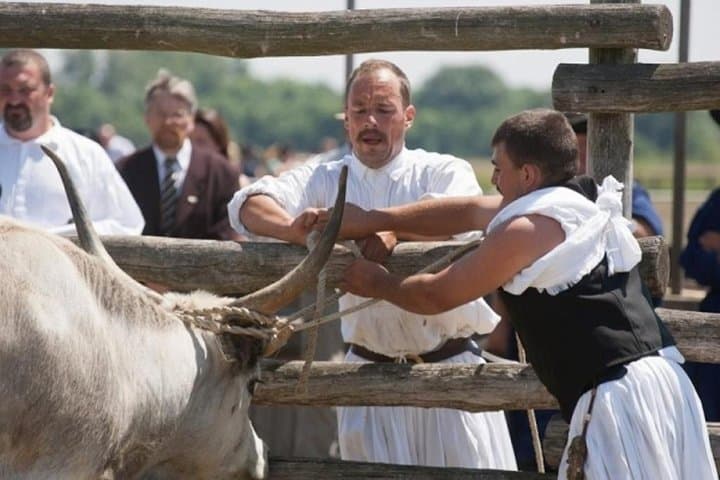
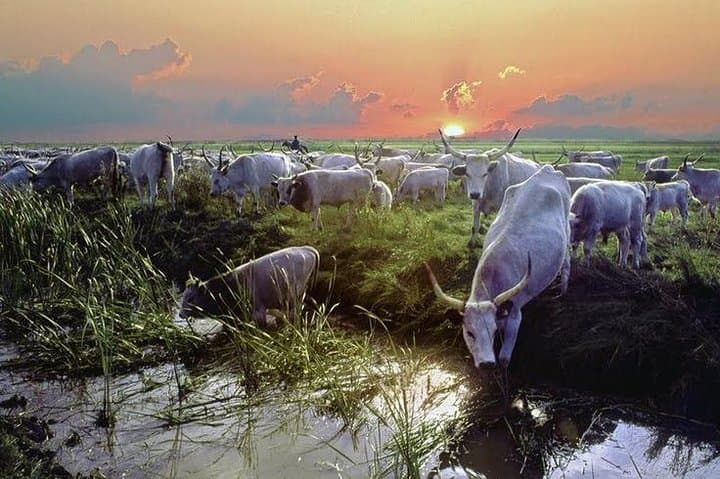
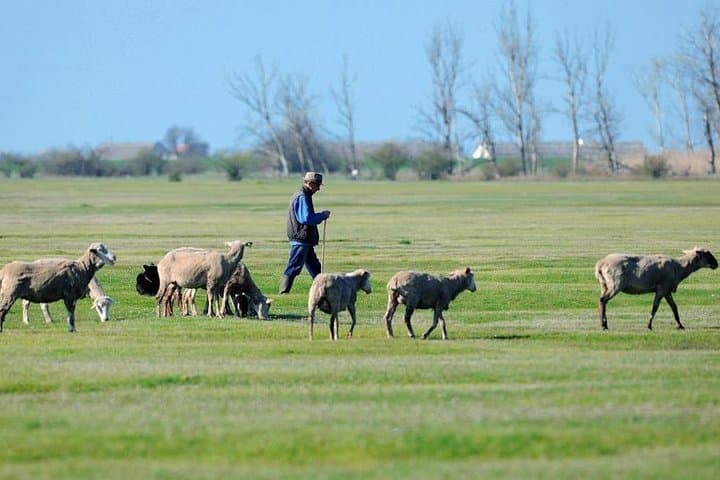
Hortobágy National Park is Hungary’s great steppe, shaped over millennia by river deposits and pastoral practice. UNESCO recognized it not only for its habitat but for the human culture of grazing and animal husbandry: grey cattle, racka sheep, and the showmanship of csikós. Nearby Debrecen, once a temporary capital in the 19th century, complements the rural visit with wide boulevards, the Great Reformed Church, and a university town’s layered history.
Expect carriage rides, a horsemen show, and a visit to the Shepherds’ Museum that lays out tools, tack, and seasonal routines. The terrain is flat and accessible; little hiking is required, but you’ll be outdoors for much of the day so dress for sun or wind.
Practical notes: book a full-day window (10–12 hours), carry water, sunscreen, and shoes you don’t mind getting dusty. Photography rewards patience—wait for light on the bridge and for livestock to move into frame. If you’re curious about agricultural practices, ask your guide about grazing cycles and traditional crafts: the puszta is as much a cultural landscape as it is a nature reserve.
easy.
10–12 hours.
Suitable for most fitness levels—primarily walking on flat, even ground and short periods standing.
The private tour lasts roughly 10–12 hours, typically an early departure from Budapest and return in the evening; exact pickup times will be confirmed at booking.
Yes—this itinerary is described as physically easy with wheelchair-accessible options and short walks; check with the operator about vehicle accessibility and infant seats.
According to the itinerary, entrance to the Shepherds’ Museum and the carriage ride/horse show are included; confirm specifics at booking for any seasonal variations.
Private tours generally allow some flexibility—discuss desired emphasis (more city time or extended puszta stops) with the operator when you book.
The Hortobágy has been a pastoral heartland for centuries; its system of seasonal grazing and riverplain management shaped both local culture and the park’s distinctive habitats.
Hortobágy is managed to balance traditional grazing with habitat protection—follow marked trails, avoid disturbing livestock, and respect seasonal nesting areas for ground-nesting birds.
Budapest Day Trips operates guided outdoor trips and adventures with an emphasis on safety, stewardship, and memorable experiences.
You step off the private vehicle into an open plain where wind moves in wide, clean arcs and the long grass seems to push you along the track. The Nine-arch Bridge rises ahead, low and stone-still, while mounted csikós—traditional horsemen—nod and wheel their horses with practiced calm. That first breath in the puszta is both plain and particular: flat horizons, scattered reed beds, and a sense that the land has its own rhythm.
You step off the private vehicle into an open plain where wind moves in wide, clean arcs and the long grass seems to push you along the track. The Nine-arch Bridge rises ahead, low and stone-still, while mounted csikós—traditional horsemen—nod and wheel their horses with practiced calm. That first breath in the puszta is both plain and particular: flat horizons, scattered reed beds, and a sense that the land has its own rhythm.
Hortobágy National Park is Hungary’s great steppe, shaped over millennia by river deposits and pastoral practice. UNESCO recognized it not only for its habitat but for the human culture of grazing and animal husbandry: grey cattle, racka sheep, and the showmanship of csikós. Nearby Debrecen, once a temporary capital in the 19th century, complements the rural visit with wide boulevards, the Great Reformed Church, and a university town’s layered history.
Expect carriage rides, a horsemen show, and a visit to the Shepherds’ Museum that lays out tools, tack, and seasonal routines. The terrain is flat and accessible; little hiking is required, but you’ll be outdoors for much of the day so dress for sun or wind.
Practical notes: book a full-day window (10–12 hours), carry water, sunscreen, and shoes you don’t mind getting dusty. Photography rewards patience—wait for light on the bridge and for livestock to move into frame. If you’re curious about agricultural practices, ask your guide about grazing cycles and traditional crafts: the puszta is as much a cultural landscape as it is a nature reserve.