THE ADVENTURE COLLECTIVE® · Independent discovery and booking for outdoor travel

Trade the city for wind-scoured ridgelines and imperial gateways: this all-inclusive day tour from Tianjin pairs a 2-hour Huangyaguan Great Wall hike with a guided visit to the Qing emperors’ tombs, plus lunch and hotel pickup.
Trade the city for wind-scoured ridgelines and imperial gateways: this all-inclusive day tour from Tianjin pairs a 2-hour Huangyaguan Great Wall hike with a guided visit to the Qing emperors’ tombs, plus lunch and hotel pickup.
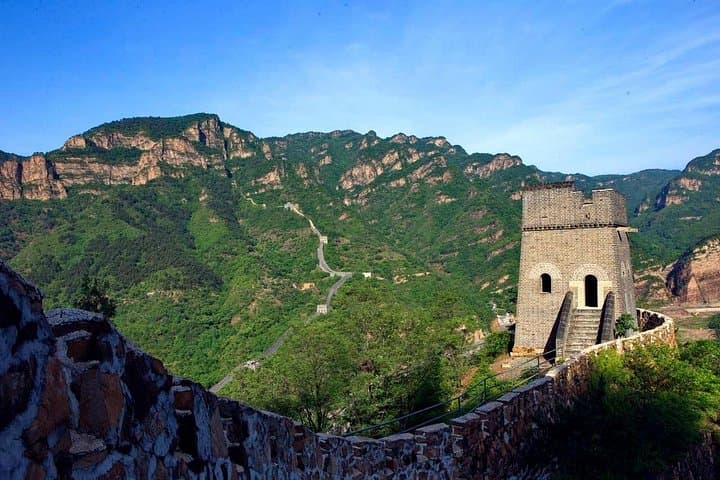
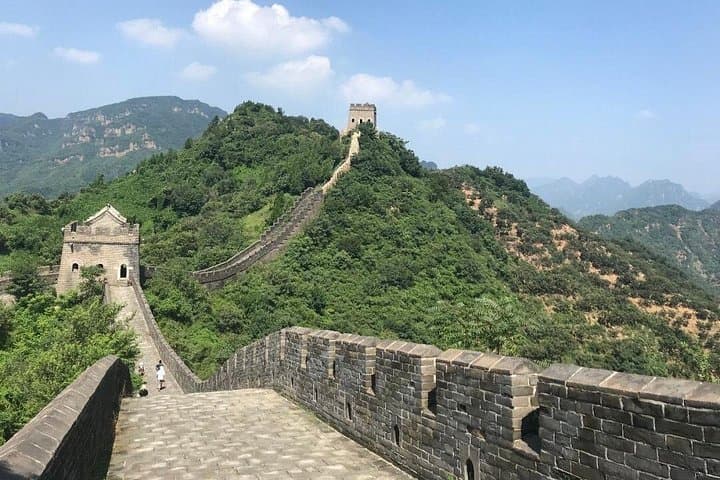
You leave Tianjin before dawn, the city shrinking to a line of streetlights as the road climbs toward the low, wind-cut ridges where the Huangyaguan Great Wall threads across the horizon. The wall rises and falls like an old spine along exposed slopes; wind dares you to move faster, and the stones push back with cool, weathered resistance.
Verified experiences and guided adventures in the surrounding area.
Operated by Lily's Tour Company · Tianjin, Tianjin
You leave Tianjin before dawn, the city shrinking to a line of streetlights as the road climbs toward the low, wind-cut ridges where the Huangyaguan Great Wall threads across the horizon. The wall rises and falls like an old spine along exposed slopes; wind dares you to move faster, and the stones push back with cool, weathered resistance.
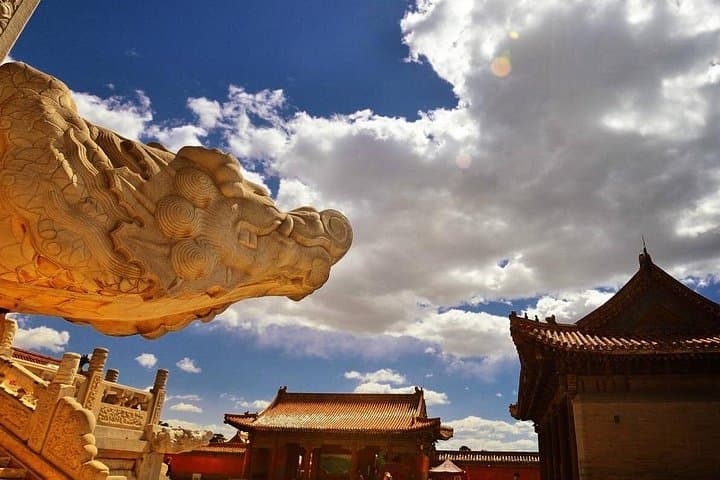
Huangyaguan began as a Northern Qi fortification in 557 A.D. and took on its familiar brick form during the Ming. Repairs in the 1980s stabilized several kilometers, and the site today carries echoes of frontier defense, modern marathon routes and quiet farmer communities. Nearby, the Western Qing imperial tombs date from the 18th to early 20th centuries; their vaulted halls and carved gateways tell stories of court ritual, burial practice and occasional tomb-robbing noted in local lore.
Geologically the area is a sequence of forested ridgelines and rocky outcrops that make the wall’s watchtowers dramatic perches. Culture here is pragmatic — small roadside restaurants serve simple country lunches and cold beer after a climb; guides translate architecture and ritual into clear, memorable anecdotes.
Practical guide: expect roughly 2 hours of walking on uneven stone steps and restored sections, plus about 2.5 hours driving each way from central Tianjin. Wear sturdy hiking shoes, bring layered clothing for exposed ridgelines, carry water, and plan for limited mobile signal. The tour includes entrance fees, lunch and hotel pickup — good for travelers with moderate fitness who want a combined cultural and active day out of the city.
moderate.
8–9 hours.
Suitable for travelers with moderate fitness who can manage uneven stairs and 2 hours of hiking.
The guided walking portion is about 2 hours and covers restored but uneven stone sections with steps and short ascents.
Yes — the tour includes pickup and drop-off at Tianjin hotels within the service area.
Yes — entrance tickets to the Great Wall and the Qing tombs, plus a local lunch and bottled water, are included in the tour price.
Children and older adults can join if they have moderate fitness; the guide can adjust pace, but expect stairs and some steep stretches.
Huangyaguan’s origins date to Northern Qi (557 A.D.) and was largely rebuilt in brick during the Ming; the nearby Western Qing tombs were constructed between 1730 and 1915 and hold multiple imperial burials.
Trails and vegetation are fragile; stay on designated paths, pack out trash and follow guide instructions to protect archaeological features.
Lily's Tour Company operates guided outdoor trips and adventures with an emphasis on safety, stewardship, and memorable experiences.

You leave Tianjin before dawn, the city shrinking to a line of streetlights as the road climbs toward the low, wind-cut ridges where the Huangyaguan Great Wall threads across the horizon. The wall rises and falls like an old spine along exposed slopes; wind dares you to move faster, and the stones push back with cool, weathered resistance.
You leave Tianjin before dawn, the city shrinking to a line of streetlights as the road climbs toward the low, wind-cut ridges where the Huangyaguan Great Wall threads across the horizon. The wall rises and falls like an old spine along exposed slopes; wind dares you to move faster, and the stones push back with cool, weathered resistance.
Huangyaguan began as a Northern Qi fortification in 557 A.D. and took on its familiar brick form during the Ming. Repairs in the 1980s stabilized several kilometers, and the site today carries echoes of frontier defense, modern marathon routes and quiet farmer communities. Nearby, the Western Qing imperial tombs date from the 18th to early 20th centuries; their vaulted halls and carved gateways tell stories of court ritual, burial practice and occasional tomb-robbing noted in local lore.
Geologically the area is a sequence of forested ridgelines and rocky outcrops that make the wall’s watchtowers dramatic perches. Culture here is pragmatic — small roadside restaurants serve simple country lunches and cold beer after a climb; guides translate architecture and ritual into clear, memorable anecdotes.
Practical guide: expect roughly 2 hours of walking on uneven stone steps and restored sections, plus about 2.5 hours driving each way from central Tianjin. Wear sturdy hiking shoes, bring layered clothing for exposed ridgelines, carry water, and plan for limited mobile signal. The tour includes entrance fees, lunch and hotel pickup — good for travelers with moderate fitness who want a combined cultural and active day out of the city.