THE ADVENTURE COLLECTIVE® · Independent discovery and booking for outdoor travel

A five-hour, hands-on countryside loop from Hoi An that mixes Tra Que vegetable farming, a water-buffalo ride, a basket-boat outing through coconut channels, and a lantern-making class. Expect light walking, interactive demos, and strong photo opportunities.
A five-hour, hands-on countryside loop from Hoi An that mixes Tra Que vegetable farming, a water-buffalo ride, a basket-boat outing through coconut channels, and a lantern-making class. Expect light walking, interactive demos, and strong photo opportunities.
Mornings on the Hoi An outskirts begin with a slow, tangible hum: water laps at narrow channels, and the air carries the smell of wet earth and seaweed. You step from a modern minivan into Tra Que’s compact plots where hands—local and foreign—press soil, stomp seaweed fertilizer, and learn the exact rhythm of traditional watering.
Verified experiences and guided adventures in the surrounding area.
Operated by Golden Bridge Tour Da Nang · Hoi An, Quang Nam Province
Mornings on the Hoi An outskirts begin with a slow, tangible hum: water laps at narrow channels, and the air carries the smell of wet earth and seaweed. You step from a modern minivan into Tra Que’s compact plots where hands—local and foreign—press soil, stomp seaweed fertilizer, and learn the exact rhythm of traditional watering.
This tour threads together layers of culture and landscape. Hoi An’s history as a trading port left a patchwork of rice paddies, river channels and coconut groves; the geology is soft, alluvial plains shaped by the Thu Bồn River, supporting intensive vegetable beds and mangrove-lined waterways. At Tra Que, farmers still use age-old techniques; nearby Cam Thanh’s coconut forest preserves boat-making and net-casting skills that have fed families for generations.
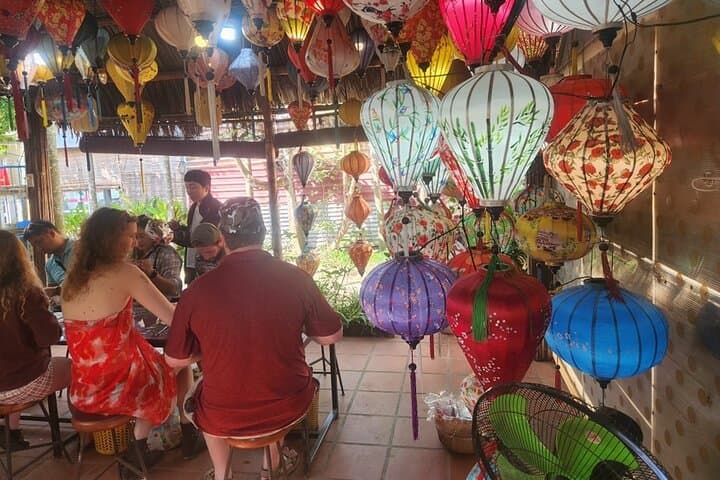
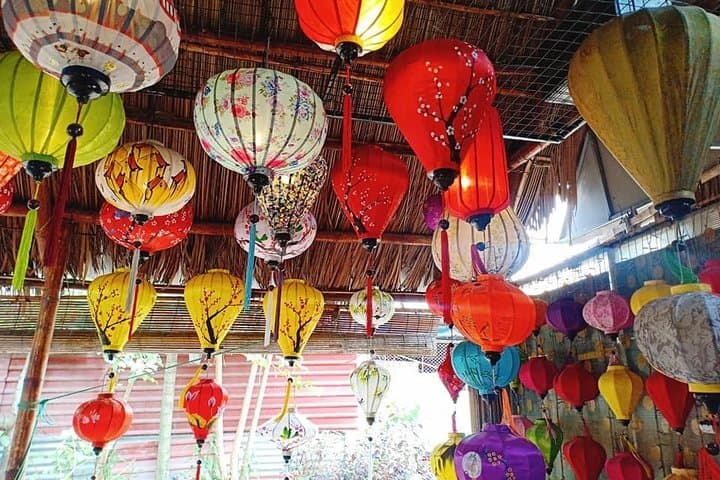
Practical rhythm follows cultural moments: a short buffalo ride across a field teaches balance and yields photo moments; a basket (coracle) boat ride challenges your sea legs while guides throw large nets and crab lines; a lantern workshop lets you fold paper, choose colors, and leave with a small handmade souvenir.
Plan for five hours of light activity and several short walks—bring sun protection, insect repellent, and shoes that can get muddy. Expect flat terrain with brief uneven patches, minimal technical difficulty, and plenty of stops for photos, demonstrations, and sampling local refreshments. Morning slots are cooler and calmer on the water; late afternoons carry softer light but a higher chance of showers. This is a hands-on, sensory way to meet the agricultural pulse and riverine life that sustain Hoi An.
easy.
5 hours.
Light walking and short balancing tasks; suitable for most fitness levels
The tour runs about five hours and includes hotel pickup and drop-off in Hoi An and Da Nang (check your booking confirmation for exact pickup times).
Yes—local handlers manage the buffalo and rides are short and supervised; families with very young children should use provided infant seats or transport options.
Wear quick-dry clothing and shoes that can get wet; bring a small towel and secure any loose items or electronics in a waterproof pouch.
Bottled water is included and hosts often offer local refreshments; full meals are typically not included so check the itinerary for specific inclusions.
Hoi An developed as an international trading port from the 15th to 19th centuries; its rural outskirts remain organized around rice paddies and river transport shaped by that commerce.
Mangrove and coconut groves in the Cam Thanh area are sensitive—follow guides’ instructions, avoid disturbing wildlife, and minimize plastic use to support local conservation efforts.
Golden Bridge Tour Da Nang operates guided outdoor trips and adventures with an emphasis on safety, stewardship, and memorable experiences.


Mornings on the Hoi An outskirts begin with a slow, tangible hum: water laps at narrow channels, and the air carries the smell of wet earth and seaweed. You step from a modern minivan into Tra Que’s compact plots where hands—local and foreign—press soil, stomp seaweed fertilizer, and learn the exact rhythm of traditional watering.
Mornings on the Hoi An outskirts begin with a slow, tangible hum: water laps at narrow channels, and the air carries the smell of wet earth and seaweed. You step from a modern minivan into Tra Que’s compact plots where hands—local and foreign—press soil, stomp seaweed fertilizer, and learn the exact rhythm of traditional watering.
This tour threads together layers of culture and landscape. Hoi An’s history as a trading port left a patchwork of rice paddies, river channels and coconut groves; the geology is soft, alluvial plains shaped by the Thu Bồn River, supporting intensive vegetable beds and mangrove-lined waterways. At Tra Que, farmers still use age-old techniques; nearby Cam Thanh’s coconut forest preserves boat-making and net-casting skills that have fed families for generations.
Practical rhythm follows cultural moments: a short buffalo ride across a field teaches balance and yields photo moments; a basket (coracle) boat ride challenges your sea legs while guides throw large nets and crab lines; a lantern workshop lets you fold paper, choose colors, and leave with a small handmade souvenir.
Plan for five hours of light activity and several short walks—bring sun protection, insect repellent, and shoes that can get muddy. Expect flat terrain with brief uneven patches, minimal technical difficulty, and plenty of stops for photos, demonstrations, and sampling local refreshments. Morning slots are cooler and calmer on the water; late afternoons carry softer light but a higher chance of showers. This is a hands-on, sensory way to meet the agricultural pulse and riverine life that sustain Hoi An.