THE ADVENTURE COLLECTIVE® · Independent discovery and booking for outdoor travel

Visit a Ho Chi Minh City temple that holds three Guinness records, ride a guided motorbike through fabric alleys, and climb a multi-story tower for sweeping city views. This compact private tour blends cultural history, urban geology and hands-on local commerce.
Visit a Ho Chi Minh City temple that holds three Guinness records, ride a guided motorbike through fabric alleys, and climb a multi-story tower for sweeping city views. This compact private tour blends cultural history, urban geology and hands-on local commerce.
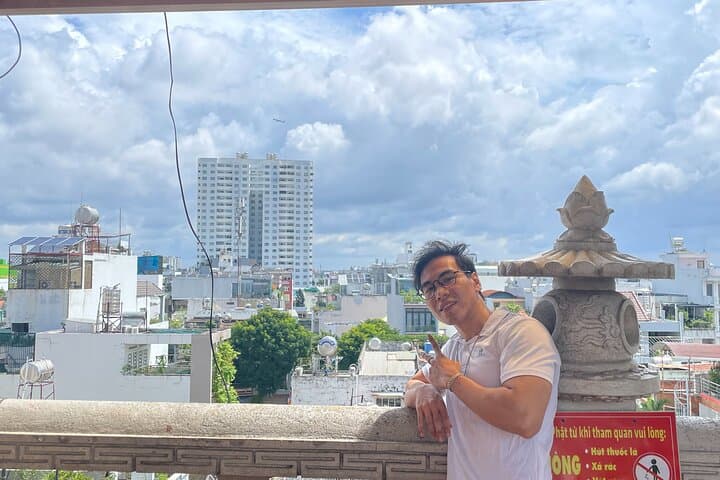
You step off the motorbike into a courtyard where incense smoke threads between carved columns and the city’s noise folds into a distant hum. The temple’s tower lifts above the neighborhood like a quiet lookout; from its upper floors the sprawl of Ho Chi Minh City stretches to the horizon, a patchwork of rooftops and transport arteries.
Verified experiences and guided adventures in the surrounding area.
Operated by Winn Tour SaiGon · Ho Chi Minh City, Ho Chi Minh
You step off the motorbike into a courtyard where incense smoke threads between carved columns and the city’s noise folds into a distant hum. The temple’s tower lifts above the neighborhood like a quiet lookout; from its upper floors the sprawl of Ho Chi Minh City stretches to the horizon, a patchwork of rooftops and transport arteries.
The temple you visit houses three Guinness records tied to its architecture and artifacts—an uncommon distinction in Vietnam’s urban religious landscape. The city itself is built on alluvial plains of the Saigon River, so the temple’s raised platform and multi-level tower reflect local responses to seasonal water and dense development. Nearby, small family-run fabric businesses trace a modern “silk road”: a living, goods-focused alley economy that grew with the city’s rapid industrial expansion in the late 20th century.
Culturally, the experience sits at the intersection of popular Buddhism, family commerce, and wartime memory; the itinerary includes a subterranean bunker area that recalls the city’s complex past. Guides explain how ritual, trade and modern tourism overlap here, and an elevator-equipped ascent makes the tower’s panoramic view accessible to most visitors.
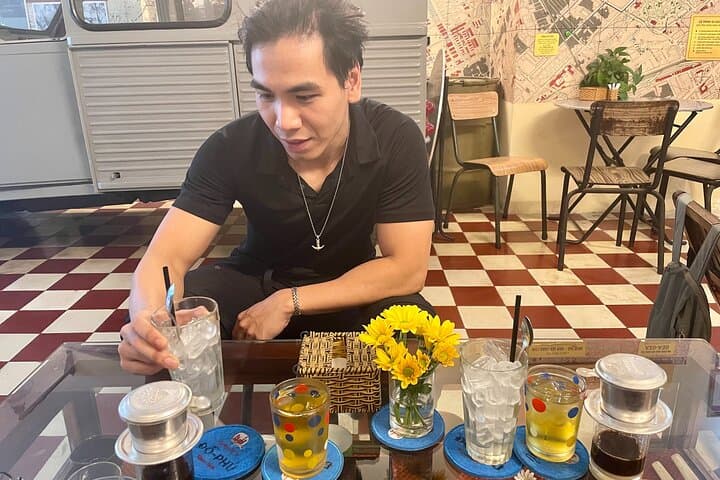
Practical guidance: allow 3–4 hours for the full tour, wear closed-toe shoes for the basement and narrow alleys, and carry a hat for rooftop exposure. Bring small bills for family-run stalls, accept bottled water and coffee provided, and plan visits in the morning or late afternoon to avoid peak sun and traffic. The route is predominantly flat and urban, so minimal fitness is required but curiosity and respect for local customs will enhance the visit.
easy.
3–4 hours.
Suitable for most fitness levels; minimal walking on flat urban terrain with some stairs or elevator access
Yes — the tour notes an elevator to the upper floors, making the tower accessible to visitors with limited mobility.
Entrance fees to the temple and specified sites are included in the tour price per the itinerary details.
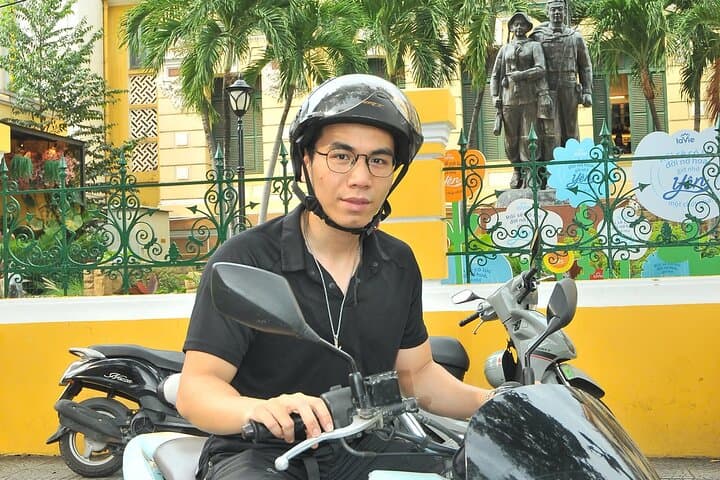
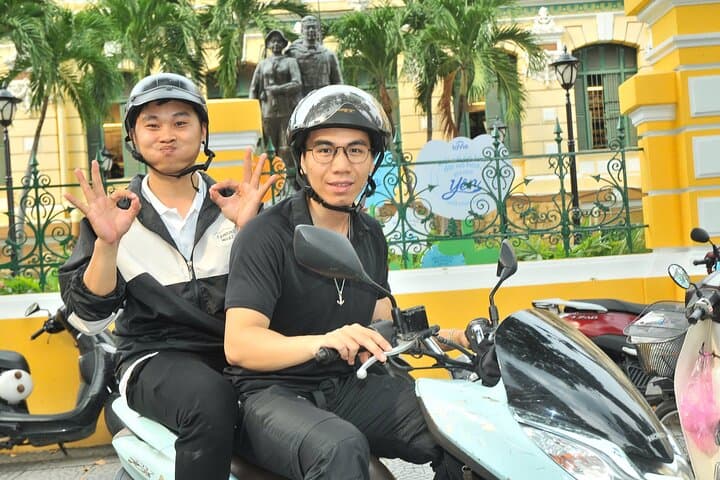
A licensed guide provides motorbike transfers for this private tour; helmets and a short (~5 km) return ride are part of the route.
The tour is described as physically easy and allows infants to sit on laps; parents should consider noise, incense and narrow spaces in basements and alleys.
The temple’s prominence grew during Saigon’s expansion; nearby bunkers and wartime sites reflect the city’s layered 20th-century history and its shift from colonial port to Vietnam’s commercial hub.
Local vendors and temple stewards encourage minimal plastic use; visitors can support sustainability by using refillable bottles and buying directly from family businesses.
Winn Tour SaiGon operates guided outdoor trips and adventures with an emphasis on safety, stewardship, and memorable experiences.
You step off the motorbike into a courtyard where incense smoke threads between carved columns and the city’s noise folds into a distant hum. The temple’s tower lifts above the neighborhood like a quiet lookout; from its upper floors the sprawl of Ho Chi Minh City stretches to the horizon, a patchwork of rooftops and transport arteries.
You step off the motorbike into a courtyard where incense smoke threads between carved columns and the city’s noise folds into a distant hum. The temple’s tower lifts above the neighborhood like a quiet lookout; from its upper floors the sprawl of Ho Chi Minh City stretches to the horizon, a patchwork of rooftops and transport arteries.
The temple you visit houses three Guinness records tied to its architecture and artifacts—an uncommon distinction in Vietnam’s urban religious landscape. The city itself is built on alluvial plains of the Saigon River, so the temple’s raised platform and multi-level tower reflect local responses to seasonal water and dense development. Nearby, small family-run fabric businesses trace a modern “silk road”: a living, goods-focused alley economy that grew with the city’s rapid industrial expansion in the late 20th century.
Culturally, the experience sits at the intersection of popular Buddhism, family commerce, and wartime memory; the itinerary includes a subterranean bunker area that recalls the city’s complex past. Guides explain how ritual, trade and modern tourism overlap here, and an elevator-equipped ascent makes the tower’s panoramic view accessible to most visitors.
Practical guidance: allow 3–4 hours for the full tour, wear closed-toe shoes for the basement and narrow alleys, and carry a hat for rooftop exposure. Bring small bills for family-run stalls, accept bottled water and coffee provided, and plan visits in the morning or late afternoon to avoid peak sun and traffic. The route is predominantly flat and urban, so minimal fitness is required but curiosity and respect for local customs will enhance the visit.