THE ADVENTURE COLLECTIVE® · Independent discovery and booking for outdoor travel

Board HMS Belfast for a hands-on look at Britain’s wartime naval operations. Explore nine decks of engines, guns and personal stories with included audio guides and plan for roughly two hours on site.
Board HMS Belfast for a hands-on look at Britain’s wartime naval operations. Explore nine decks of engines, guns and personal stories with included audio guides and plan for roughly two hours on site.
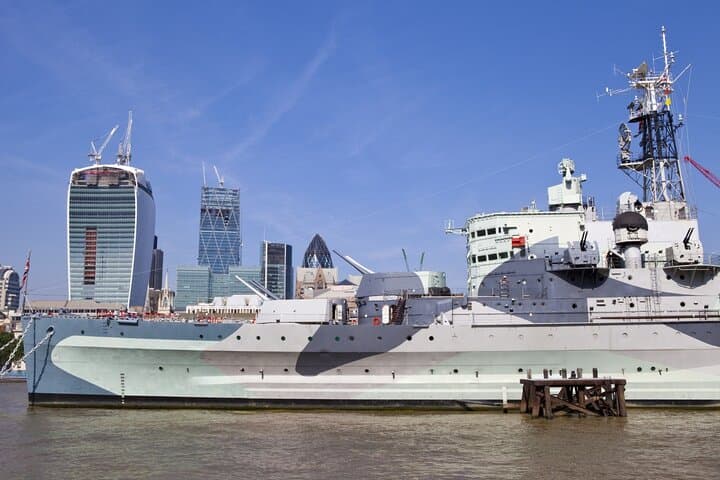
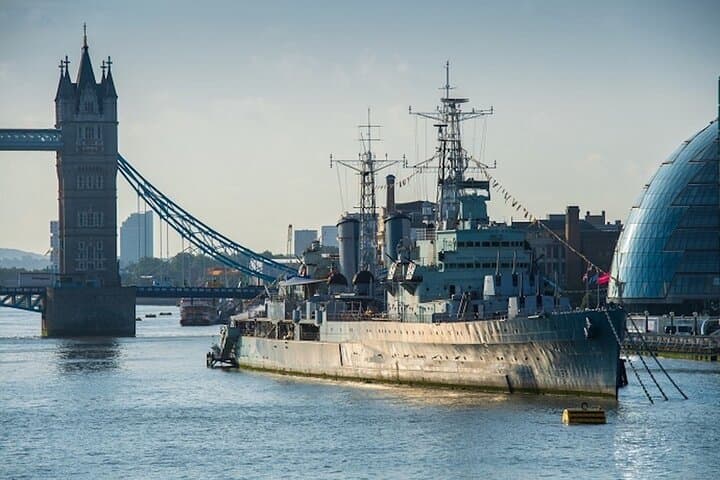
Fog and diesel hang low over the Thames as the grey silhouette of HMS Belfast looms against the skyline — metal plates catching a sliver of London light while Tower Bridge watches from downstream. Visitors step from the riverfront onto nine decks that still smell faintly of oil and old paint, moving past brass instruments, bulkhead notices and the echo of voices from decades ago.
Verified experiences and guided adventures in the surrounding area.
Operated by Levifly UK · London, Greater London
Fog and diesel hang low over the Thames as the grey silhouette of HMS Belfast looms against the skyline — metal plates catching a sliver of London light while Tower Bridge watches from downstream. Visitors step from the riverfront onto nine decks that still smell faintly of oil and old paint, moving past brass instruments, bulkhead notices and the echo of voices from decades ago.
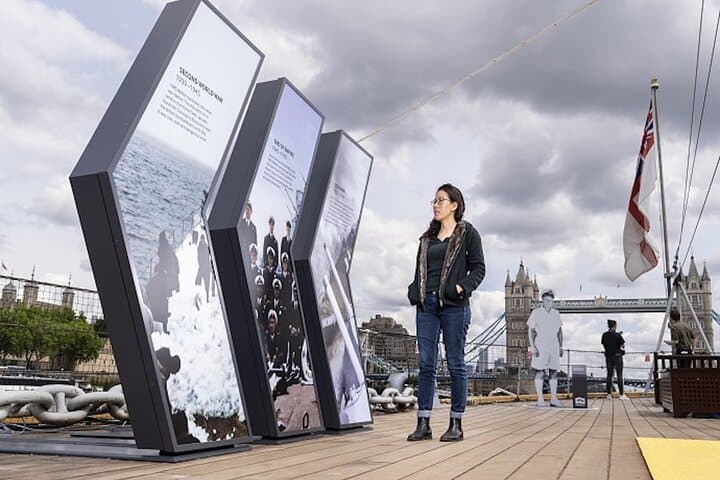
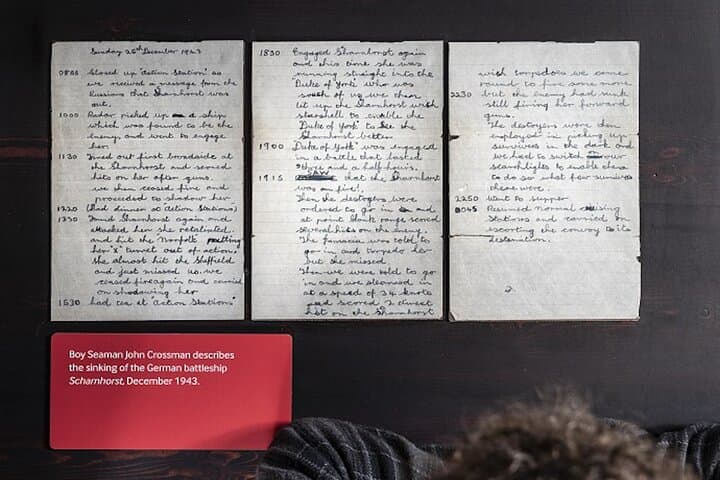
Launched just before World War II, HMS Belfast is a Town-class light cruiser that saw action in Arctic convoys, the Normandy landings and the Korean War. The ship’s steel hull and compartmentalized design tell a practical engineering story: layered decks, reinforced turrets and wartime improvisation. Cultural threads run through the exhibits — veterans’ recorded accounts, wartime rationing context and London’s mid-20th-century civilian life — placing the vessel within the city’s larger wartime narrative.
Practical guidance: plan about two hours to move through engine rooms, the Gun Turret Experience and Life at Sea displays. Audio guides in multiple languages are included; mobility access is available but some steep ladders and narrow passages remain on lower decks. Peak times are late morning and early afternoon on weekends; weekday mornings are quieter.
Wear sturdy shoes, allow time for the audio testimony stops, and carry a light layer — lower decks are cooler and can feel damp. Photography is permitted without flash; consider starting at the stern for an uncluttered view of Tower Bridge. Tickets are mobile-friendly and often booked in advance during summer. The experience balances technical naval detail with human stories — practical, tactile and sharply historical.
easy.
2 hours.
Suitable for most fitness levels but expect standing, climbing short ladders and walking between decks
Most visitors spend about two hours exploring the nine decks, viewing exhibits, and listening to audio testimonies — longer if you linger at displays.
Yes — free audio guides are typically provided in multiple languages and included with admission to enhance the Life at Sea experience.
The museum has accessibility features and lifts for some decks, but lower engine rooms and ladders are not accessible; contact staff for specific needs.
Photography is allowed without flash in most areas; avoid tripods during busy periods and follow any staff guidance in restricted zones.
Commissioned in 1939, HMS Belfast served in Arctic convoys, supported D-Day operations and later saw action in Korea; she opened as a museum ship in 1971.
The ship is maintained through ongoing preservation work and visitor revenue; the site encourages low-waste visits and supports Thames conservation initiatives.
Levifly UK operates guided outdoor trips and adventures with an emphasis on safety, stewardship, and memorable experiences.
Fog and diesel hang low over the Thames as the grey silhouette of HMS Belfast looms against the skyline — metal plates catching a sliver of London light while Tower Bridge watches from downstream. Visitors step from the riverfront onto nine decks that still smell faintly of oil and old paint, moving past brass instruments, bulkhead notices and the echo of voices from decades ago.
Fog and diesel hang low over the Thames as the grey silhouette of HMS Belfast looms against the skyline — metal plates catching a sliver of London light while Tower Bridge watches from downstream. Visitors step from the riverfront onto nine decks that still smell faintly of oil and old paint, moving past brass instruments, bulkhead notices and the echo of voices from decades ago.
Launched just before World War II, HMS Belfast is a Town-class light cruiser that saw action in Arctic convoys, the Normandy landings and the Korean War. The ship’s steel hull and compartmentalized design tell a practical engineering story: layered decks, reinforced turrets and wartime improvisation. Cultural threads run through the exhibits — veterans’ recorded accounts, wartime rationing context and London’s mid-20th-century civilian life — placing the vessel within the city’s larger wartime narrative.
Practical guidance: plan about two hours to move through engine rooms, the Gun Turret Experience and Life at Sea displays. Audio guides in multiple languages are included; mobility access is available but some steep ladders and narrow passages remain on lower decks. Peak times are late morning and early afternoon on weekends; weekday mornings are quieter.
Wear sturdy shoes, allow time for the audio testimony stops, and carry a light layer — lower decks are cooler and can feel damp. Photography is permitted without flash; consider starting at the stern for an uncluttered view of Tower Bridge. Tickets are mobile-friendly and often booked in advance during summer. The experience balances technical naval detail with human stories — practical, tactile and sharply historical.