THE ADVENTURE COLLECTIVE® · Independent discovery and booking for outdoor travel

Customize an 8‑hour solo or private group day through Harbin using the subway, buses and walking routes. See Central Street, Songhua Riverfront and St. Sophia with a local guide who builds the day around your interests.
Customize an 8‑hour solo or private group day through Harbin using the subway, buses and walking routes. See Central Street, Songhua Riverfront and St. Sophia with a local guide who builds the day around your interests.
Morning in Harbin feels like stepping into a living map: tram rails hum, willows along the Songhua River bend as if to point the way, and the guide waits in your hotel lobby ready to sketch a day from your interests. This private, full‑day experience uses public buses, the subway and short taxi hops to connect Central Street’s early 20th‑century façades, the green stretches by the Songhua, and St. Sophia’s onion domes repurposed as a cultural gallery.
Verified experiences and guided adventures in the surrounding area.
Operated by Private Tour Guide · Harbin, Heilongjiang
Morning in Harbin feels like stepping into a living map: tram rails hum, willows along the Songhua River bend as if to point the way, and the guide waits in your hotel lobby ready to sketch a day from your interests. This private, full‑day experience uses public buses, the subway and short taxi hops to connect Central Street’s early 20th‑century façades, the green stretches by the Songhua, and St. Sophia’s onion domes repurposed as a cultural gallery.
Harbin’s built character reflects decades of Russian influence, Chinese provincial growth and a thriving trade history; the Central (Zhongyang) walking street dates to the 1920s and remains a showcase of European‑style brickwork and baroque details. Geologically the city sits on the Songliao Plain beside the Songhua River, whose floodplain shapes the parks and squares where locals exercise. Cultural layers include Orthodox, Buddhist and Chinese commercial histories — many neighbourhoods preserve storefronts and alleys from the Republican era.
Practically: tours run about 8–9 hours, with a private guide who customizes stops the morning of the tour. Confirm museum opening days (Heilongjiang museum and some smaller museums close Mondays) and plan alternatives like riverside parks or architecture walks. Expect mostly flat walking on paved streets, frequent public‑transport hops and short ferry or bridge crossings only in certain seasons. Bring a transit payment method, comfortable shoes, a compact daypack and a warm layer in colder months. Overtime is charged at 150 CNY per hour; discuss pickup point and language needs at booking to tailor the route.
easy.
8–9 hours.
Suitable for most fitness levels; expect multiple short walks and standing time on public transport
Your guide meets you in the lobby of your downtown Harbin hotel and provides hotel drop‑off at the end of the day; confirm pickup point when booking.
Yes — the tour is private and customized; discuss your priorities with the guide the morning of the tour to fine‑tune stops.
Admissions are not included by default; your itinerary will note paid entries and you can choose to include them when finalizing the route.
Language options vary by operator — confirm guide language when booking to ensure a comfortable experience.
Harbin grew in the late 19th and early 20th centuries as a crossroads of Russian rail and Chinese trade; its streets preserve architectural styles from that era.
The Songhua Riverfront is managed as public parkland; visitors are encouraged to minimize litter and respect riverside plantings to reduce erosion and habitat disturbance.
Private Tour Guide operates guided outdoor trips and adventures with an emphasis on safety, stewardship, and memorable experiences.
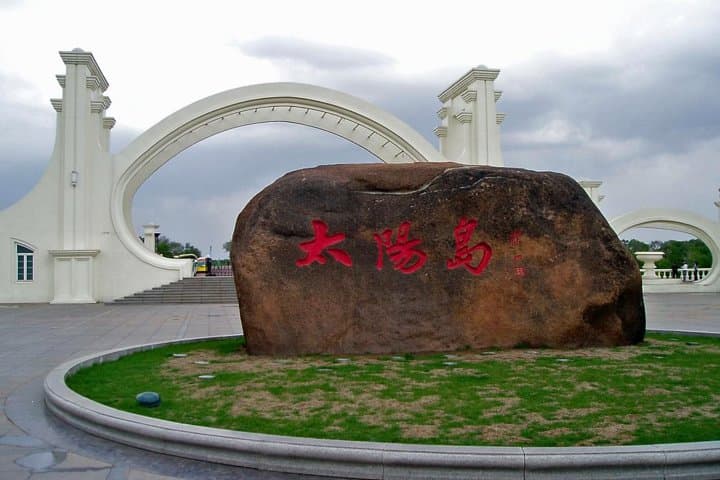


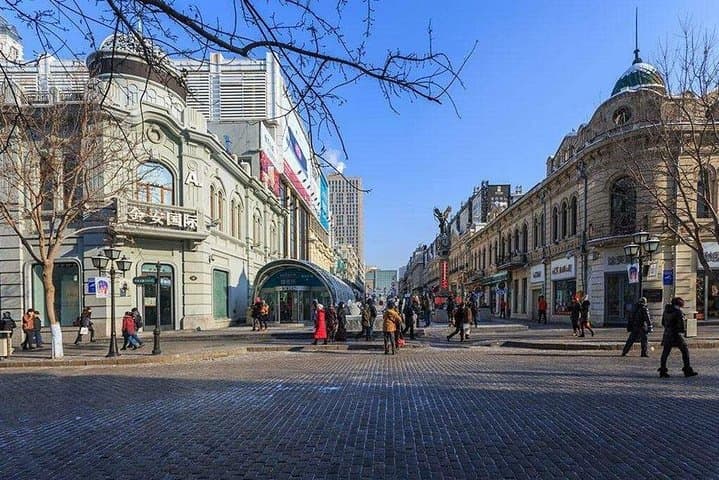
Morning in Harbin feels like stepping into a living map: tram rails hum, willows along the Songhua River bend as if to point the way, and the guide waits in your hotel lobby ready to sketch a day from your interests. This private, full‑day experience uses public buses, the subway and short taxi hops to connect Central Street’s early 20th‑century façades, the green stretches by the Songhua, and St. Sophia’s onion domes repurposed as a cultural gallery.
Morning in Harbin feels like stepping into a living map: tram rails hum, willows along the Songhua River bend as if to point the way, and the guide waits in your hotel lobby ready to sketch a day from your interests. This private, full‑day experience uses public buses, the subway and short taxi hops to connect Central Street’s early 20th‑century façades, the green stretches by the Songhua, and St. Sophia’s onion domes repurposed as a cultural gallery.
Harbin’s built character reflects decades of Russian influence, Chinese provincial growth and a thriving trade history; the Central (Zhongyang) walking street dates to the 1920s and remains a showcase of European‑style brickwork and baroque details. Geologically the city sits on the Songliao Plain beside the Songhua River, whose floodplain shapes the parks and squares where locals exercise. Cultural layers include Orthodox, Buddhist and Chinese commercial histories — many neighbourhoods preserve storefronts and alleys from the Republican era.
Practically: tours run about 8–9 hours, with a private guide who customizes stops the morning of the tour. Confirm museum opening days (Heilongjiang museum and some smaller museums close Mondays) and plan alternatives like riverside parks or architecture walks. Expect mostly flat walking on paved streets, frequent public‑transport hops and short ferry or bridge crossings only in certain seasons. Bring a transit payment method, comfortable shoes, a compact daypack and a warm layer in colder months. Overtime is charged at 150 CNY per hour; discuss pickup point and language needs at booking to tailor the route.