THE ADVENTURE COLLECTIVE® · Independent discovery and booking for outdoor travel

Walk the Old Quarter’s living streets on a private half-day tour that threads ancient guild lanes, colonial boulevards, and Hoan Kiem Lake into a compact cultural outing. Ideal for first-time visitors seeking history, architecture, and street-food insight.
Walk the Old Quarter’s living streets on a private half-day tour that threads ancient guild lanes, colonial boulevards, and Hoan Kiem Lake into a compact cultural outing. Ideal for first-time visitors seeking history, architecture, and street-food insight.
You step from a shaded alley into the pulse of Hanoi's Old Quarter: motorbikes hum, street vendors call, and the air smells of coffee and frying batter. Cobblestone-like lanes narrow into tube-house courtyards while colonial facades open onto busy markets; every turn layers a new rhythm into the walk.
Verified experiences and guided adventures in the surrounding area.
Operated by Rose Tourist · Hanoi, Hanoi
You step from a shaded alley into the pulse of Hanoi's Old Quarter: motorbikes hum, street vendors call, and the air smells of coffee and frying batter. Cobblestone-like lanes narrow into tube-house courtyards while colonial facades open onto busy markets; every turn layers a new rhythm into the walk.
The Old Quarter grew from guild streets—originally described as 36—where each lane specialized in a craft. You’ll pass Bach Ma Temple (11th century) and Hoan Kiem Lake, whose legend of a returned magical sword anchors local identity. French colonial boulevards contrast with narrow Vietnamese shop-houses, creating an architectural dialogue shaped by centuries of trade, imperial court culture, and wartime history.
Geologically, Hanoi sits on the Red River Delta’s alluvial plain: flat, humid, and threaded by lakes and canals that once defined neighborhood boundaries. Social life centers around communal houses, pagodas, and coffee stalls; expect to see calligraphers, silk work, and everyday rituals still practiced in small courtyards.
Practical guidance: plan for 3–4 hours on foot at an easy pace; wear supportive shoes for uneven sidewalks and bring a refillable bottle—water stops are frequent but bottled water is commonly sold. Mornings are cooler and less crowded; late afternoons offer golden light on French facades and the chance to watch street-food culture ramp up. Modest dress is advised at temples. This private tour layers history, living culture, and navigable urban adventure into a compact half-day exploration.
easy.
3–4 hours.
Light walking ability; comfortable standing and moving for several hours with short pauses.
The private tour runs about 3–4 hours, typically covering key sites in the Old and French Quarters with short stops at temples and heritage houses.
Yes; the pace is gentle and the route is accessible, but travelers with mobility issues should note that sidewalks may be uneven and there is pedestrian traffic.
Some heritage houses and temple donations may be included depending on the itinerary—confirm with the operator when booking for exact inclusions.
English-speaking local guides are commonly provided; request language preferences when booking to ensure availability.
The Old Quarter evolved around guild streets where each trade clustered; many tube-houses and communal halls reflect centuries of commerce and colonial-era urban planning.
Heavy foot traffic and tourism pressure strain narrow lanes—use refillable water containers, avoid single-use plastics, and follow local signage to protect historic structures.
Rose Tourist operates guided outdoor trips and adventures with an emphasis on safety, stewardship, and memorable experiences.
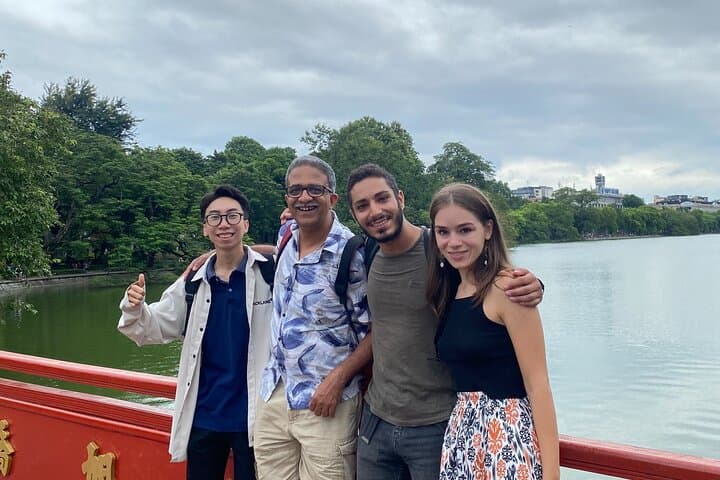
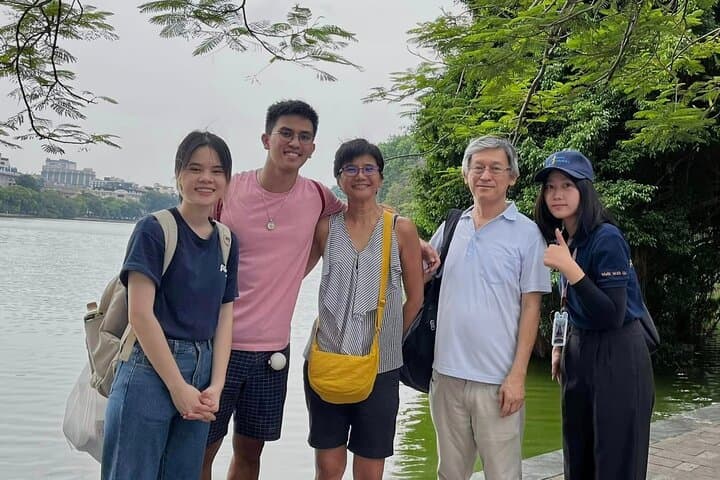

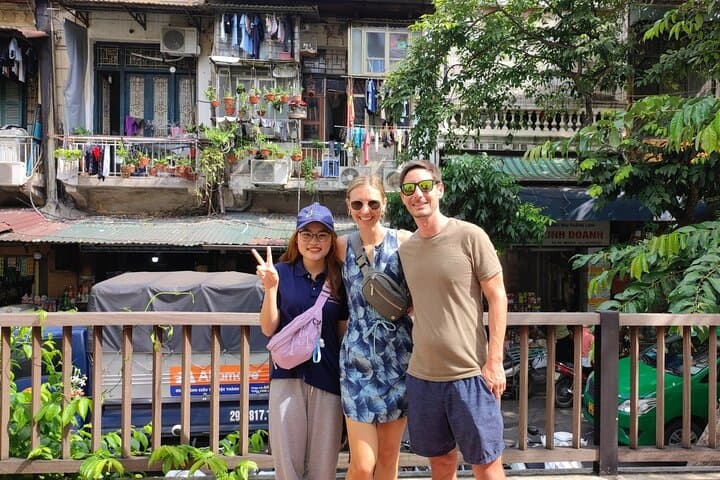
You step from a shaded alley into the pulse of Hanoi's Old Quarter: motorbikes hum, street vendors call, and the air smells of coffee and frying batter. Cobblestone-like lanes narrow into tube-house courtyards while colonial facades open onto busy markets; every turn layers a new rhythm into the walk.
You step from a shaded alley into the pulse of Hanoi's Old Quarter: motorbikes hum, street vendors call, and the air smells of coffee and frying batter. Cobblestone-like lanes narrow into tube-house courtyards while colonial facades open onto busy markets; every turn layers a new rhythm into the walk.
The Old Quarter grew from guild streets—originally described as 36—where each lane specialized in a craft. You’ll pass Bach Ma Temple (11th century) and Hoan Kiem Lake, whose legend of a returned magical sword anchors local identity. French colonial boulevards contrast with narrow Vietnamese shop-houses, creating an architectural dialogue shaped by centuries of trade, imperial court culture, and wartime history.
Geologically, Hanoi sits on the Red River Delta’s alluvial plain: flat, humid, and threaded by lakes and canals that once defined neighborhood boundaries. Social life centers around communal houses, pagodas, and coffee stalls; expect to see calligraphers, silk work, and everyday rituals still practiced in small courtyards.
Practical guidance: plan for 3–4 hours on foot at an easy pace; wear supportive shoes for uneven sidewalks and bring a refillable bottle—water stops are frequent but bottled water is commonly sold. Mornings are cooler and less crowded; late afternoons offer golden light on French facades and the chance to watch street-food culture ramp up. Modest dress is advised at temples. This private tour layers history, living culture, and navigable urban adventure into a compact half-day exploration.