THE ADVENTURE COLLECTIVE® · Independent discovery and booking for outdoor travel

Step into two eras of royal Britain with a ticket to Hampton Court Palace: roam Tudor kitchens, climb into Baroque state apartments and lose yourself in the famous maze. Plan for at least three hours, arrive by direct train from London, and bring ID for mobile tickets.
Step into two eras of royal Britain with a ticket to Hampton Court Palace: roam Tudor kitchens, climb into Baroque state apartments and lose yourself in the famous maze. Plan for at least three hours, arrive by direct train from London, and bring ID for mobile tickets.
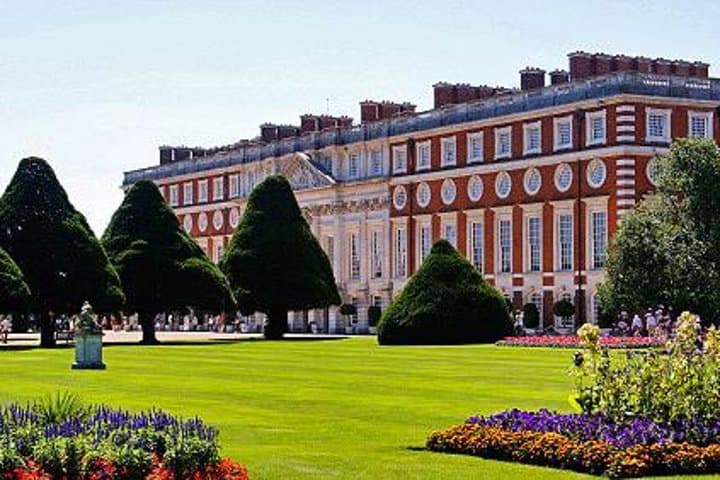
A sharp January wind parts the clipped yew of Hampton Court’s Privy Garden as you step through a stone archway into a place shaped by power and ceremony. Sunlight slides across the Great Hall’s hammerbeam roof, the maze of corridors and courtyards moving around you like stages in a long-running play.
Verified experiences and guided adventures in the surrounding area.
Operated by Historic Royal Palaces · East Molesey, Surrey
A sharp January wind parts the clipped yew of Hampton Court’s Privy Garden as you step through a stone archway into a place shaped by power and ceremony. Sunlight slides across the Great Hall’s hammerbeam roof, the maze of corridors and courtyards moving around you like stages in a long-running play.
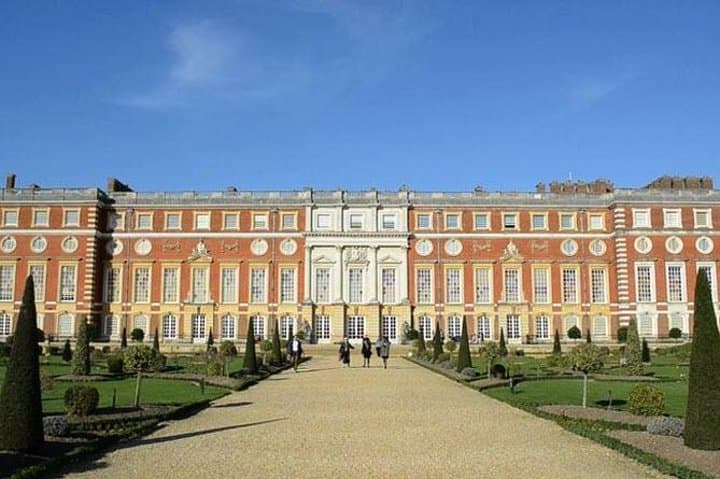
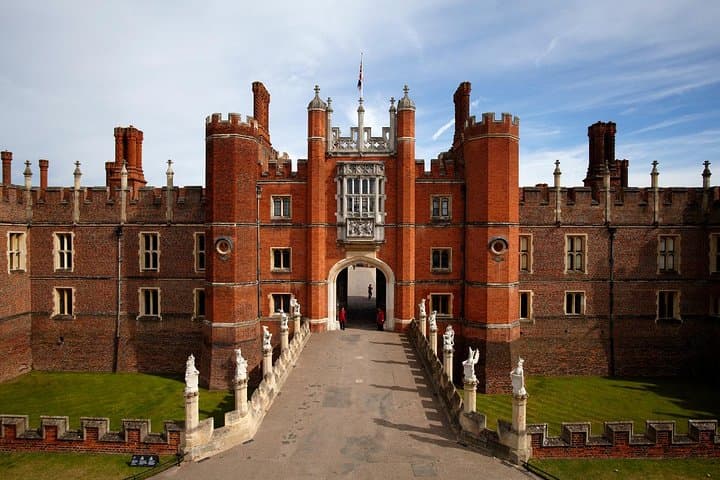
The palace is effectively two buildings: Tudor state rooms expanded by Henry VIII in the 16th century and the Baroque wings added for William III and Mary II by Sir Christopher Wren in the late 1600s. The grounds spread over roughly 60 acres of formal gardens, including the famous Maze and the Great Vine—one of the world’s oldest cultivated vines. The Tudor Kitchens recreate the heat and noise of historic banquets while costumed guides illuminate court life and intrigue.
Culturally the site reflects shifting royal tastes—from Tudor ceremony to Baroque display—and its proximity to the Thames helped make it a political stage. Geologically the grounds sit on the Thames floodplain, so pathways can be soft after rain and the gardens retain a green, river-fed character.
Practicalities: allow at least three hours to move between State Apartments, kitchens, chapel and gardens. The palace is about 30 minutes by direct train from Central London to Hampton Court station; mobile tickets are accepted but must match the lead traveller’s ID and are valid only for the day shown. Accessibility is good—lifts and pushchair access are available—and there’s a family room for young children. Time your visit for quieter mornings or late afternoons, and bring weatherproof layers for the river breeze.
easy.
3 hours.
Suitable for most fitness levels; expect walking on variable surfaces for several hours
At least three hours to see the main State Apartments, Tudor Kitchens and a section of the gardens; half a day if you plan to explore the gardens and maze thoroughly.
Yes—mobile tickets are accepted but the lead traveller’s name must match a form of ID carried on the day; tickets are valid only for the date purchased.
The palace has lift access to some upper floors, is pushchair friendly, and provides accessible routes, though historic rooms and cobbled courtyards can present challenges.
Public areas of the gardens allow picnics; check specific exhibition spaces for restrictions and use designated benches and lawns to avoid planted beds.
Hampton Court grew from Cardinal Wolsey’s 16th-century residence into a royal palace under Henry VIII and later received major Baroque additions under William III and Mary II, reflecting political and stylistic shifts in the monarchy.
The palace and gardens are managed to protect historic fabric and biodiversity—stay on paths, avoid trampling plantings, and follow seasonal access rules to limit wear on sensitive areas.
Historic Royal Palaces operates guided outdoor trips and adventures with an emphasis on safety, stewardship, and memorable experiences.
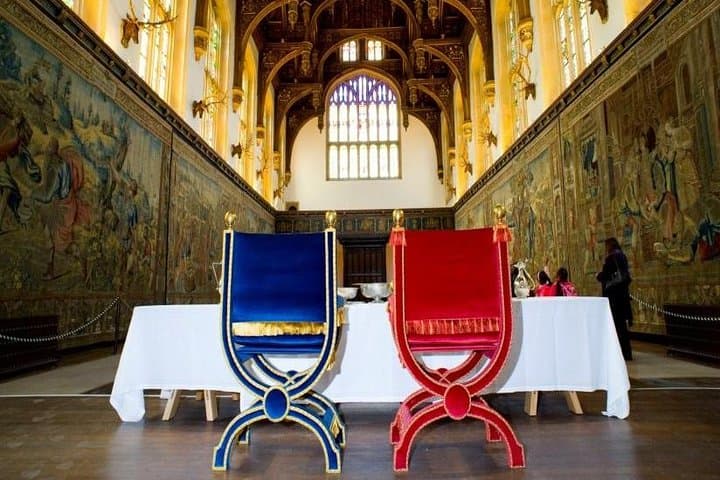
A sharp January wind parts the clipped yew of Hampton Court’s Privy Garden as you step through a stone archway into a place shaped by power and ceremony. Sunlight slides across the Great Hall’s hammerbeam roof, the maze of corridors and courtyards moving around you like stages in a long-running play.
A sharp January wind parts the clipped yew of Hampton Court’s Privy Garden as you step through a stone archway into a place shaped by power and ceremony. Sunlight slides across the Great Hall’s hammerbeam roof, the maze of corridors and courtyards moving around you like stages in a long-running play.
The palace is effectively two buildings: Tudor state rooms expanded by Henry VIII in the 16th century and the Baroque wings added for William III and Mary II by Sir Christopher Wren in the late 1600s. The grounds spread over roughly 60 acres of formal gardens, including the famous Maze and the Great Vine—one of the world’s oldest cultivated vines. The Tudor Kitchens recreate the heat and noise of historic banquets while costumed guides illuminate court life and intrigue.
Culturally the site reflects shifting royal tastes—from Tudor ceremony to Baroque display—and its proximity to the Thames helped make it a political stage. Geologically the grounds sit on the Thames floodplain, so pathways can be soft after rain and the gardens retain a green, river-fed character.
Practicalities: allow at least three hours to move between State Apartments, kitchens, chapel and gardens. The palace is about 30 minutes by direct train from Central London to Hampton Court station; mobile tickets are accepted but must match the lead traveller’s ID and are valid only for the day shown. Accessibility is good—lifts and pushchair access are available—and there’s a family room for young children. Time your visit for quieter mornings or late afternoons, and bring weatherproof layers for the river breeze.