THE ADVENTURE COLLECTIVE® · Independent discovery and booking for outdoor travel

A private two- to three-hour experience that combines a war-themed walking tour of Hamburg’s harbor with a guided visit inside the Soviet U-434 museum submarine. Expect urban waterfront history, Cold War stories, and close-quarters exploration.
A private two- to three-hour experience that combines a war-themed walking tour of Hamburg’s harbor with a guided visit inside the Soviet U-434 museum submarine. Expect urban waterfront history, Cold War stories, and close-quarters exploration.
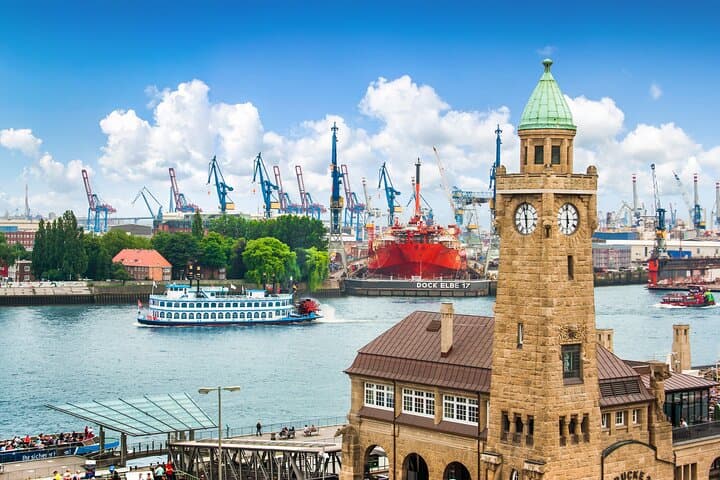
You step onto the Jan Fedder Promenade with the Elbe daring you to look closer; cranes and piers cut a jagged skyline while freight ships roll like slow beasts on the river.
Verified experiences and guided adventures in the surrounding area.
Operated by Rosotravel - Munich · Hamburg, Hamburg
You step onto the Jan Fedder Promenade with the Elbe daring you to look closer; cranes and piers cut a jagged skyline while freight ships roll like slow beasts on the river.
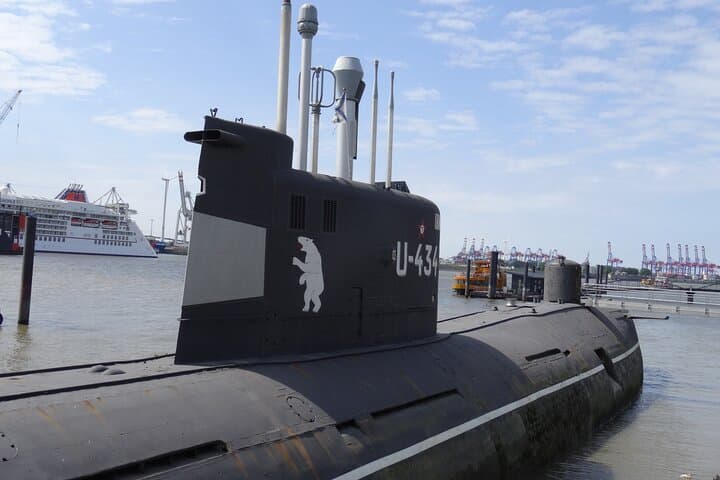
This private, guided experience pairs a one-hour, war-themed walking tour of Hamburg’s working harbor with a focused visit inside the Soviet U-434 — one of the world’s largest museum submarines moored at St. Pauli Landungsbrücken.
History here is physical: Hamburg’s industrial docks fueled maritime traffic and made the city a strategic target during Operation Gomorrah in 1943. The port’s scaffolding and water-level towers still show the scars of air raids, and the U-434 carries its own Cold War story of surveillance and long Atlantic patrols before becoming a decommissioned exhibit.
Geology is subtle — the broad Elbe estuary shapes tides and mudflats, dictating port architecture and shipping lanes. Culturally, the harbor remains the city’s working heart, where fish markets, ship crews and dockworkers converge with tourists for a living lesson in maritime commerce.
Practically, expect flat, paved walking on urban waterfronts and tight, claustrophobic passages inside the submarine; the museum walkthrough is an hour and not recommended for severe mobility limits despite much accessibility nearby. Tours run 2–3 hours total with a 3-hour option including private transfers.
Bring stable footwear, a light windproof layer and a small daypack; allow time for photos at the Landungsbrücken and for questions — guides split time between port history and the museum, so flag the topics you want deeper detail on. Morning light is best for photos and cooler walking conditions.
easy.
2–3 hours.
Light walking fitness; must be able to stand and climb short metal steps for the submarine visit.
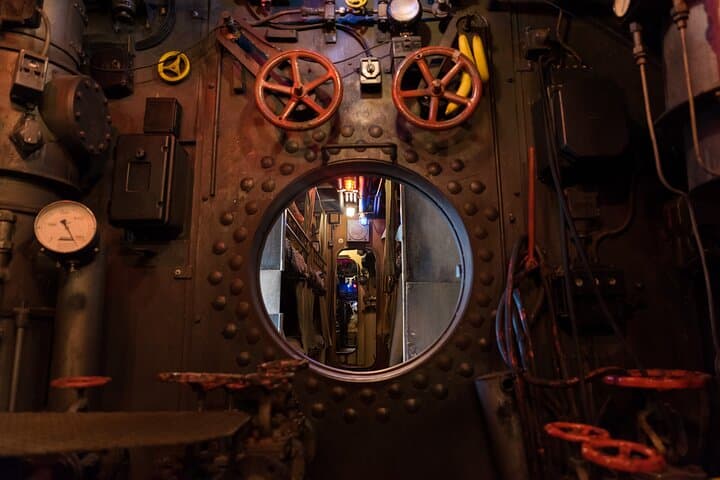
The guided U-434 portion is approximately 45–60 minutes and focuses on crew quarters, engine rooms and the boat’s Cold War role.
The harbor walking tour and meeting areas are wheelchair accessible, but interior submarine access is not suitable for wheelchairs due to narrow passages and steps—notify operators for alternatives.
The 3-hour option includes a private round-trip transfer; the 2-hour option does not and meets at St. Pauli Landungsbrücken.
Large bags may be restricted inside the exhibit for safety and space—travel light or check with the guide before the tour.
Hamburg’s port was a key industrial hub and a target during Operation Gomorrah in WWII; the U-434 later served Soviet Cold War patrols before becoming a museum.
The harbor balances heavy maritime use with preservation efforts—respect signage at historical sites, avoid disturbing wildlife, and carry out any trash to reduce pollution in the Elbe.
Rosotravel - Munich operates guided outdoor trips and adventures with an emphasis on safety, stewardship, and memorable experiences.
You step onto the Jan Fedder Promenade with the Elbe daring you to look closer; cranes and piers cut a jagged skyline while freight ships roll like slow beasts on the river.
You step onto the Jan Fedder Promenade with the Elbe daring you to look closer; cranes and piers cut a jagged skyline while freight ships roll like slow beasts on the river.
This private, guided experience pairs a one-hour, war-themed walking tour of Hamburg’s working harbor with a focused visit inside the Soviet U-434 — one of the world’s largest museum submarines moored at St. Pauli Landungsbrücken.
History here is physical: Hamburg’s industrial docks fueled maritime traffic and made the city a strategic target during Operation Gomorrah in 1943. The port’s scaffolding and water-level towers still show the scars of air raids, and the U-434 carries its own Cold War story of surveillance and long Atlantic patrols before becoming a decommissioned exhibit.
Geology is subtle — the broad Elbe estuary shapes tides and mudflats, dictating port architecture and shipping lanes. Culturally, the harbor remains the city’s working heart, where fish markets, ship crews and dockworkers converge with tourists for a living lesson in maritime commerce.
Practically, expect flat, paved walking on urban waterfronts and tight, claustrophobic passages inside the submarine; the museum walkthrough is an hour and not recommended for severe mobility limits despite much accessibility nearby. Tours run 2–3 hours total with a 3-hour option including private transfers.
Bring stable footwear, a light windproof layer and a small daypack; allow time for photos at the Landungsbrücken and for questions — guides split time between port history and the museum, so flag the topics you want deeper detail on. Morning light is best for photos and cooler walking conditions.