THE ADVENTURE COLLECTIVE® · Independent discovery and booking for outdoor travel

Make the most of one day in Korea’s ancient capital: visit Bulguksa Temple, see Cheomseongdae observatory, and stroll Hwangridan-gil for local bites and crafts. Practical tips included for an efficient, rewarding day trip.
Make the most of one day in Korea’s ancient capital: visit Bulguksa Temple, see Cheomseongdae observatory, and stroll Hwangridan-gil for local bites and crafts. Practical tips included for an efficient, rewarding day trip.
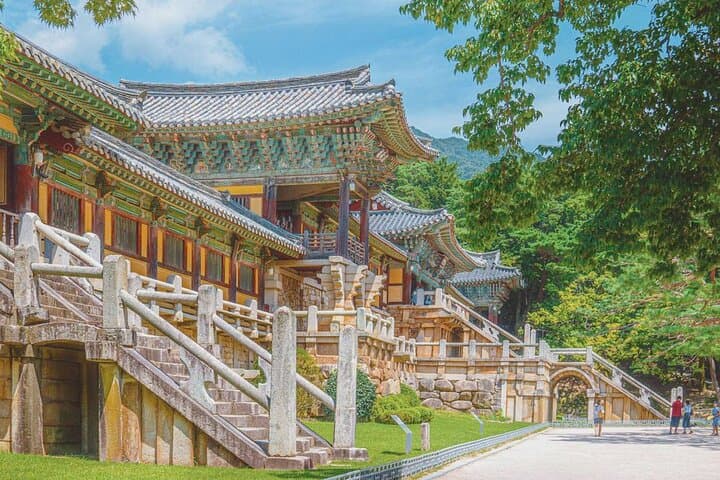
You step off the coach into cool mountain air and the stony approach to Bulguksa, the temple’s timbered roofs cutting a clean line against a pale sky. The tour moves with a steady rhythm—temple courtyards, a millennial observatory, and a lane of cafes and craft shops—so even a single day in Gyeongju feels like a compact week of discovery.
Verified experiences and guided adventures in the surrounding area.
Operated by Lecirt · Gyeongju, North Gyeongsang
You step off the coach into cool mountain air and the stony approach to Bulguksa, the temple’s timbered roofs cutting a clean line against a pale sky. The tour moves with a steady rhythm—temple courtyards, a millennial observatory, and a lane of cafes and craft shops—so even a single day in Gyeongju feels like a compact week of discovery.
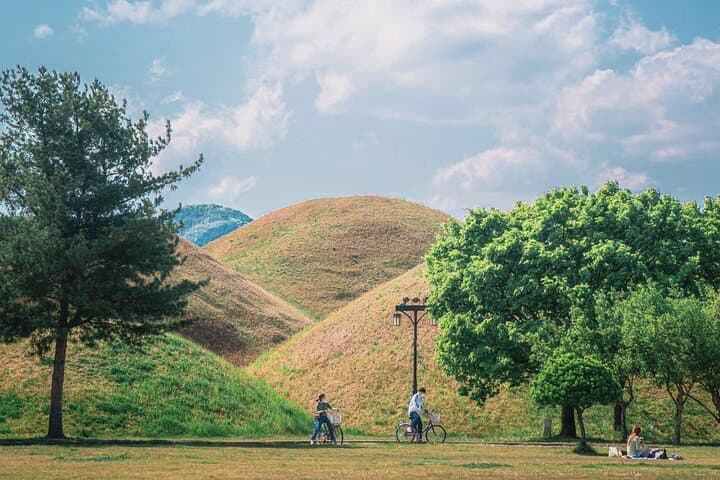
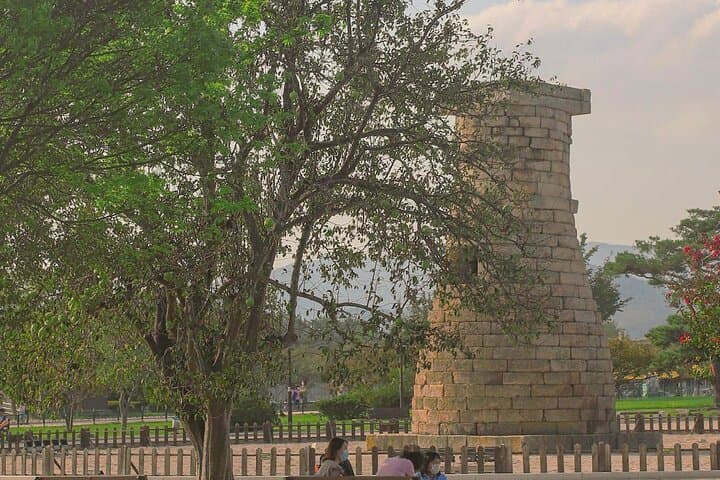
Gyeongju was the capital of the Unified Silla Kingdom (57 BCE–935 CE), and its landscape is a patchwork of burial mounds, stone pagodas, and Buddhist shrines. Bulguksa Temple, completed in 774 on the slopes of Mt. Toham, exhibits precise stonework—Dabotap and Seokgatap pagodas—and bridges that frame the temple like careful brushstrokes. Nearby, Cheomseongdae, Asia’s oldest astronomical observatory, still leans on simple geometry to mark the sky.
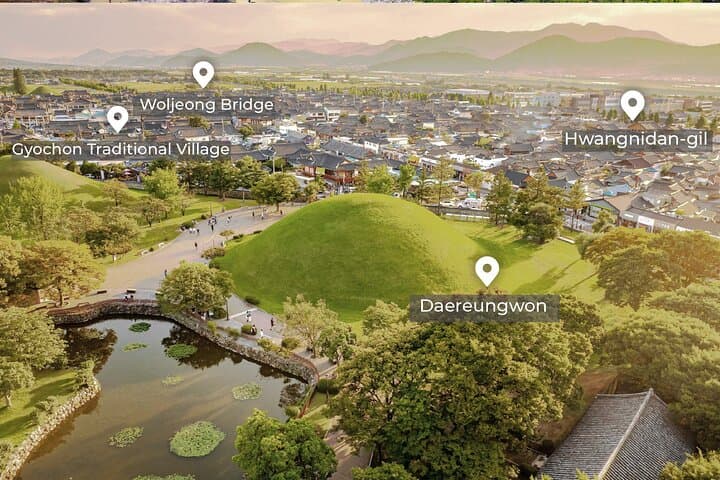
Geologically the region is gentle—low mountains of granite and weathered outcrops—so the walks are mostly paved or compacted earth. Local culture is present in small ways: tea houses where barley tea is poured, artisans selling hanji paper crafts, and street snacks along Hwangridan-gil.
Practical guidance: the full-day itinerary runs about 11 hours with moderate walking on steps and paved paths; wear supportive shoes and bring water, sunscreen, and a light layer for temple courtyards that can be breezy. Plan for security checks at major heritage sites and carry cash for market stalls. If you’re short on time, prioritize Bulguksa and Cheomseongdae early in the day to avoid crowds and use the afternoon for Hwangridan-gil’s cafés and galleries.
easy.
About 11 hours.
Suitable for most fitness levels; expect several hours of standing and walking with some stairs.
Yes—this tour listing indicates admission fees are included for major sites such as Bulguksa.
Yes—there is an option to be dropped off in Busan when booking; confirm at reservation time.
English-speaking guides are provided for shared tours; a Chinese-speaking guide is available for private bookings on request.
Full refunds are available if you cancel at least 24 hours before departure; no refund within 24 hours.
Gyeongju was the political and cultural heart of the Unified Silla Kingdom; many surviving mounds, temples, and stone works date from that era and reflect Buddhist and astronomical importance.
Bulguksa and nearby heritage sites are UNESCO-protected—stay on marked paths, avoid climbing on stone artifacts, and minimize waste to support preservation.
Lecirt operates guided outdoor trips and adventures with an emphasis on safety, stewardship, and memorable experiences.
You step off the coach into cool mountain air and the stony approach to Bulguksa, the temple’s timbered roofs cutting a clean line against a pale sky. The tour moves with a steady rhythm—temple courtyards, a millennial observatory, and a lane of cafes and craft shops—so even a single day in Gyeongju feels like a compact week of discovery.
You step off the coach into cool mountain air and the stony approach to Bulguksa, the temple’s timbered roofs cutting a clean line against a pale sky. The tour moves with a steady rhythm—temple courtyards, a millennial observatory, and a lane of cafes and craft shops—so even a single day in Gyeongju feels like a compact week of discovery.
Gyeongju was the capital of the Unified Silla Kingdom (57 BCE–935 CE), and its landscape is a patchwork of burial mounds, stone pagodas, and Buddhist shrines. Bulguksa Temple, completed in 774 on the slopes of Mt. Toham, exhibits precise stonework—Dabotap and Seokgatap pagodas—and bridges that frame the temple like careful brushstrokes. Nearby, Cheomseongdae, Asia’s oldest astronomical observatory, still leans on simple geometry to mark the sky.
Geologically the region is gentle—low mountains of granite and weathered outcrops—so the walks are mostly paved or compacted earth. Local culture is present in small ways: tea houses where barley tea is poured, artisans selling hanji paper crafts, and street snacks along Hwangridan-gil.
Practical guidance: the full-day itinerary runs about 11 hours with moderate walking on steps and paved paths; wear supportive shoes and bring water, sunscreen, and a light layer for temple courtyards that can be breezy. Plan for security checks at major heritage sites and carry cash for market stalls. If you’re short on time, prioritize Bulguksa and Cheomseongdae early in the day to avoid crowds and use the afternoon for Hwangridan-gil’s cafés and galleries.