THE ADVENTURE COLLECTIVE® · Independent discovery and booking for outdoor travel

Step into the little-seen passages beneath Green Park on an 80-minute guided tour of the former Dover Street station. Expect wartime stories, vast ventilation shafts and narrow, low-lit corridors that reveal the Underground’s layered history.
Step into the little-seen passages beneath Green Park on an 80-minute guided tour of the former Dover Street station. Expect wartime stories, vast ventilation shafts and narrow, low-lit corridors that reveal the Underground’s layered history.
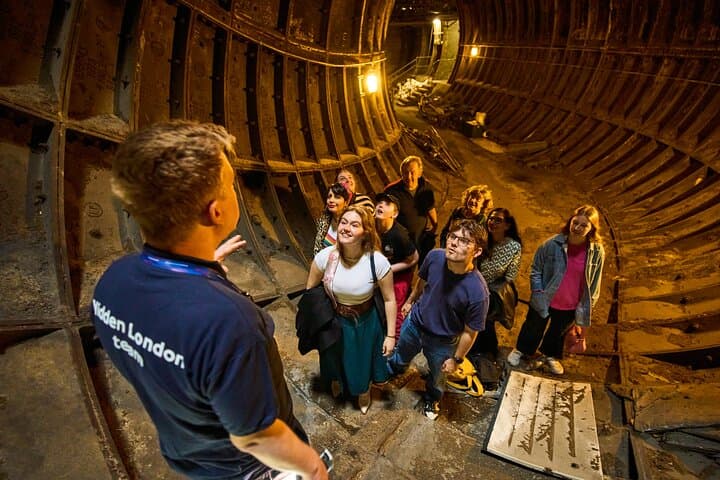
A flurry of footsteps, a last commuter train pulling away, and then silence — that’s the moment the city above seems to fall away. On the Hidden Tube Walking Tour of Green Park Station, participants slip beneath the polished concourse into the old Dover Street passages where lift landings, broad ventilation tunnels and low-lit corridors keep the memory of early 20th-century Underground life alive.
Verified experiences and guided adventures in the surrounding area.
Operated by London Transport Museum · London, Greater London
A flurry of footsteps, a last commuter train pulling away, and then silence — that’s the moment the city above seems to fall away. On the Hidden Tube Walking Tour of Green Park Station, participants slip beneath the polished concourse into the old Dover Street passages where lift landings, broad ventilation tunnels and low-lit corridors keep the memory of early 20th-century Underground life alive.
Opened in 1906 as part of the Great Northern, Piccadilly and Brompton Railway and renamed Green Park in 1933, the station expanded through the 1960s and 1970s to accommodate new lines. The tour points out wartime adaptations — secure boardrooms and protected passages used by transport officials during air raids — and the engineering that lets modern trains run over century-old brickwork and London Clay cuttings.
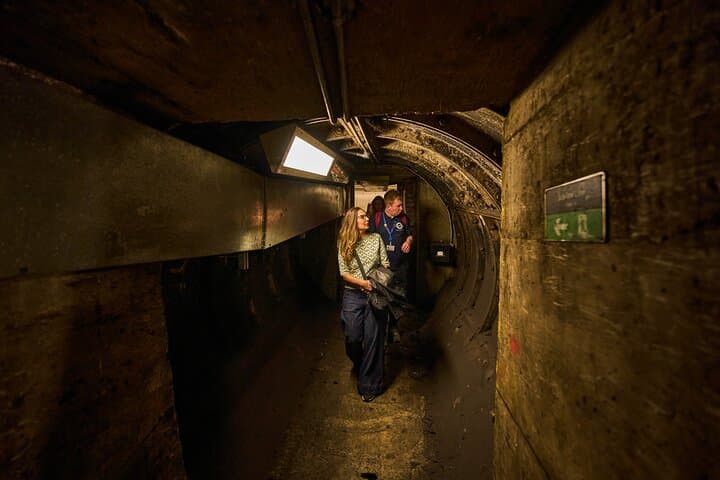
The experience balances close-quarters curiosity with clear safety limits: there’s no step-free access, uneven surfaces demand steady footing, and sections are dimly lit, revealing the scale of ventilation shafts and the sightline down to passing trains.
Practical notes: tours run about 80 minutes and require a moderate fitness level; bring photo ID and wear closed-toe shoes. Expect narrow staircases, no cloakroom, and rules against large bags and food. Timing midweek or early morning reduces crowds; listen closely to guides — they time the stops to show hidden features without disrupting daily operations.
For anyone who likes urban infrastructure with a slice of social history, this tour offers a compact, gritty look at how London’s Tube grew beneath its streets.
moderate.
1–1.5 hours.
Moderate walking fitness; able to climb/descend multiple flights of stairs and stand for short periods
Children under 10 are not permitted; ages 10–15 are allowed with a supervising adult (maximum four children per adult).
No — the tour is not step-free, includes many stairs and narrow passages, and there is no elevator.
Photography is typically allowed in most behind-the-scenes areas, but follow guide instructions and avoid flash where indicated to not disturb staff or equipment.
Do not bring large bags or luggage; there is no cloakroom and no food or drinks are permitted on the tour.
Dover Street opened in 1906 for the Great Northern, Piccadilly and Brompton Railway and was renamed Green Park in 1933; during WWII parts of the station served as protected boardrooms for London Transport officials.
Tours are run to limit impact on fragile historic fabric—follow guide directions, stick to formed paths and avoid touching original brickwork to help preserve the site.
London Transport Museum operates guided outdoor trips and adventures with an emphasis on safety, stewardship, and memorable experiences.


A flurry of footsteps, a last commuter train pulling away, and then silence — that’s the moment the city above seems to fall away. On the Hidden Tube Walking Tour of Green Park Station, participants slip beneath the polished concourse into the old Dover Street passages where lift landings, broad ventilation tunnels and low-lit corridors keep the memory of early 20th-century Underground life alive.
A flurry of footsteps, a last commuter train pulling away, and then silence — that’s the moment the city above seems to fall away. On the Hidden Tube Walking Tour of Green Park Station, participants slip beneath the polished concourse into the old Dover Street passages where lift landings, broad ventilation tunnels and low-lit corridors keep the memory of early 20th-century Underground life alive.
Opened in 1906 as part of the Great Northern, Piccadilly and Brompton Railway and renamed Green Park in 1933, the station expanded through the 1960s and 1970s to accommodate new lines. The tour points out wartime adaptations — secure boardrooms and protected passages used by transport officials during air raids — and the engineering that lets modern trains run over century-old brickwork and London Clay cuttings.
The experience balances close-quarters curiosity with clear safety limits: there’s no step-free access, uneven surfaces demand steady footing, and sections are dimly lit, revealing the scale of ventilation shafts and the sightline down to passing trains.
Practical notes: tours run about 80 minutes and require a moderate fitness level; bring photo ID and wear closed-toe shoes. Expect narrow staircases, no cloakroom, and rules against large bags and food. Timing midweek or early morning reduces crowds; listen closely to guides — they time the stops to show hidden features without disrupting daily operations.
For anyone who likes urban infrastructure with a slice of social history, this tour offers a compact, gritty look at how London’s Tube grew beneath its streets.