THE ADVENTURE COLLECTIVE® · Independent discovery and booking for outdoor travel

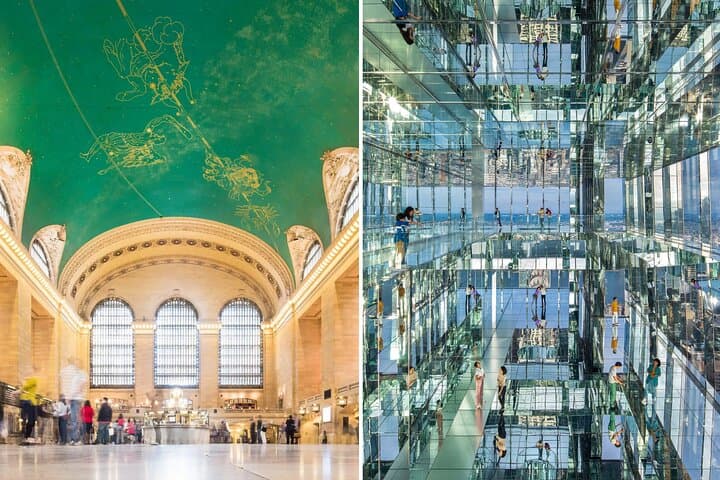
Walk the corridors of Grand Central to uncover hidden tennis courts, whispering arches and the world’s largest Tiffany clock. This guided small-group tour blends architecture, history and optional SUMMIT access for city-wide views.
Walk the corridors of Grand Central to uncover hidden tennis courts, whispering arches and the world’s largest Tiffany clock. This guided small-group tour blends architecture, history and optional SUMMIT access for city-wide views.
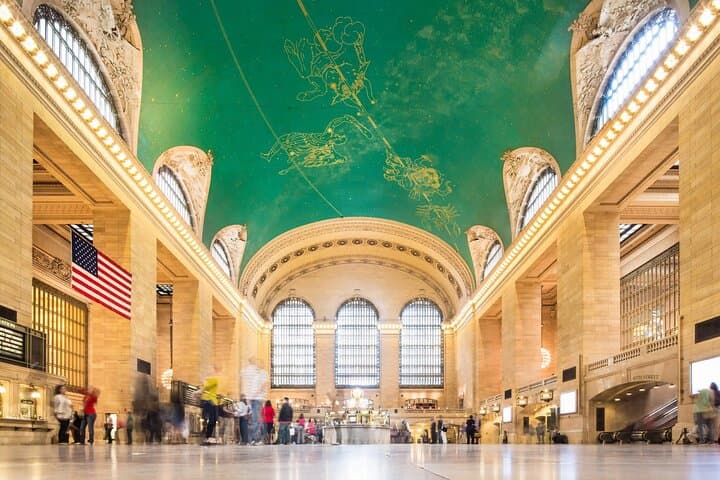
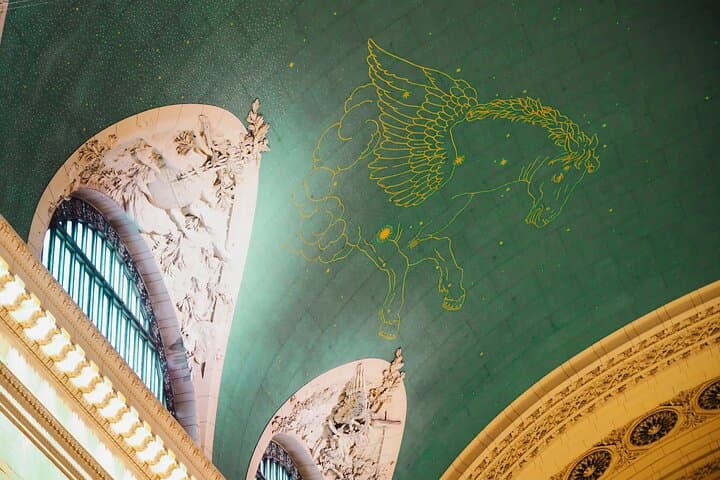
The tour begins beneath clock faces and the murmur of commuters, the guide’s voice rising above the river of travelers as they lead the group across the Main Concourse. Marble gleams under brass chandeliers, and the ceiling’s painted constellations seem to press the city sky down into the hall. This is not a single room but a compact city of stories—train platforms that launched careers, a dining concourse that fed generations, and corridors that hide secrets in plain sight.
Verified experiences and guided adventures in the surrounding area.
Operated by Experience NYC™ · New York, NY
The tour begins beneath clock faces and the murmur of commuters, the guide’s voice rising above the river of travelers as they lead the group across the Main Concourse. Marble gleams under brass chandeliers, and the ceiling’s painted constellations seem to press the city sky down into the hall. This is not a single room but a compact city of stories—train platforms that launched careers, a dining concourse that fed generations, and corridors that hide secrets in plain sight.
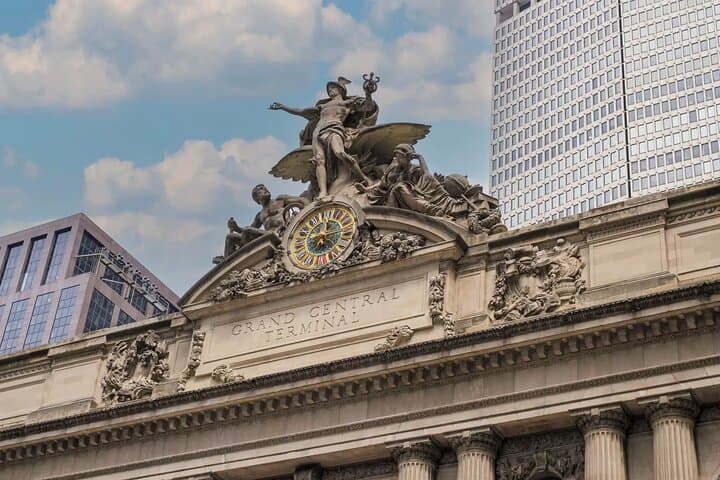
Built in 1913 in a Beaux-Arts style, Grand Central’s bones are limestone and granite; its roofing uses Guastavino tile that helped define early 20th-century urban engineering. The terminal’s restoration in the 1990s returned carved stone and painted ceilings to prominence and protected its role in Manhattan’s daily life. Cultural layers accumulate here: carriage entrances for turn-of-the-century travelers, wartime send-offs, and countless film moments.
Expect a paced 2–3 hour small-group walk covering the Whispering Gallery, the Campbell Apartment, the clock above the information booth, and optional access to SUMMIT One Vanderbilt for skyline perspectives. The route is mostly flat and wheelchair accessible; wear comfortable shoes and be ready for crowds at peak commuting hours. Photography is encouraged but be mindful of briefings in private spaces.
Practical notes: meet at Pershing Square Café, arrive 10–15 minutes early, and keep water and a lightweight layer handy—the concourse can be cool while subway vents shift the air. The guide’s narration balances architecture, anecdote, and practical orientation—ideal for first-time visitors wanting context and for repeat visitors seeking overlooked details.
easy.
2–3 hours.
Suitable for most fitness levels; requires standing and short walks on flat surfaces
SUMMIT access is optional; choose the Tour + SUMMIT option when booking to include entry—tickets for SUMMIT may be delivered separately.
Yes. The itinerary notes wheelchair accessibility for surfaces and transportation; contact the operator in advance for specific accommodations.
Groups are small, capped at about 15 people to keep the experience conversational and manageable through busy terminal areas.
Yes. Strollers are allowed and the tour is suitable for families, though some areas require attention during peak crowding.
Opened in 1913 by the New York Central Railroad, Grand Central is a Beaux-Arts landmark whose 1990s restoration reclaimed its decorative ceilings and historic public spaces.
Protected as a historic landmark, the terminal benefits from ongoing preservation efforts and community advocacy to limit intrusive commercial changes and reduce waste from retail operations.
Experience NYC™ operates guided outdoor trips and adventures with an emphasis on safety, stewardship, and memorable experiences.
The tour begins beneath clock faces and the murmur of commuters, the guide’s voice rising above the river of travelers as they lead the group across the Main Concourse. Marble gleams under brass chandeliers, and the ceiling’s painted constellations seem to press the city sky down into the hall. This is not a single room but a compact city of stories—train platforms that launched careers, a dining concourse that fed generations, and corridors that hide secrets in plain sight.
The tour begins beneath clock faces and the murmur of commuters, the guide’s voice rising above the river of travelers as they lead the group across the Main Concourse. Marble gleams under brass chandeliers, and the ceiling’s painted constellations seem to press the city sky down into the hall. This is not a single room but a compact city of stories—train platforms that launched careers, a dining concourse that fed generations, and corridors that hide secrets in plain sight.
Built in 1913 in a Beaux-Arts style, Grand Central’s bones are limestone and granite; its roofing uses Guastavino tile that helped define early 20th-century urban engineering. The terminal’s restoration in the 1990s returned carved stone and painted ceilings to prominence and protected its role in Manhattan’s daily life. Cultural layers accumulate here: carriage entrances for turn-of-the-century travelers, wartime send-offs, and countless film moments.
Expect a paced 2–3 hour small-group walk covering the Whispering Gallery, the Campbell Apartment, the clock above the information booth, and optional access to SUMMIT One Vanderbilt for skyline perspectives. The route is mostly flat and wheelchair accessible; wear comfortable shoes and be ready for crowds at peak commuting hours. Photography is encouraged but be mindful of briefings in private spaces.
Practical notes: meet at Pershing Square Café, arrive 10–15 minutes early, and keep water and a lightweight layer handy—the concourse can be cool while subway vents shift the air. The guide’s narration balances architecture, anecdote, and practical orientation—ideal for first-time visitors wanting context and for repeat visitors seeking overlooked details.