THE ADVENTURE COLLECTIVE® · Independent discovery and booking for outdoor travel

Swim through limestone caves and turquoise sinkholes, then spend the afternoon in the historic, yellow-washed town of Izamal. This full-day trip pairs karst geology and Maya history with easy swimming and cultural stops.
Swim through limestone caves and turquoise sinkholes, then spend the afternoon in the historic, yellow-washed town of Izamal. This full-day trip pairs karst geology and Maya history with easy swimming and cultural stops.
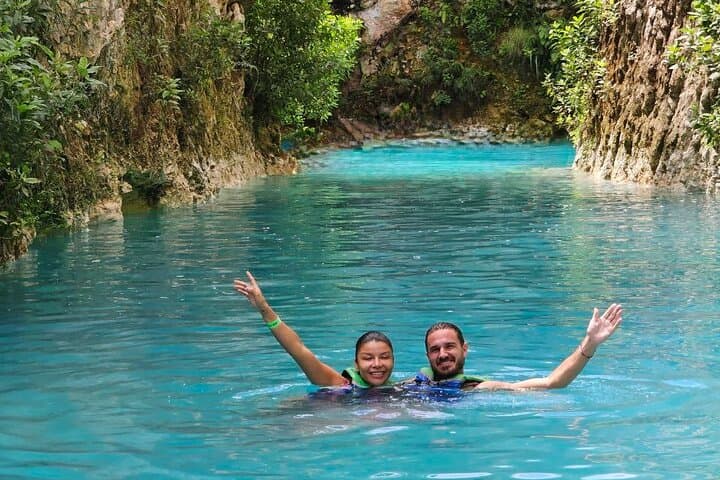
The light narrows as you slip from the jungle into a cave and the cenote’s water pulls you into cool clarity — a natural pool that seems to breathe beneath a vault of stone.
Verified experiences and guided adventures in the surrounding area.
Operated by Guías de Yucatán · Mérida, Yucatán
The light narrows as you slip from the jungle into a cave and the cenote’s water pulls you into cool clarity — a natural pool that seems to breathe beneath a vault of stone.
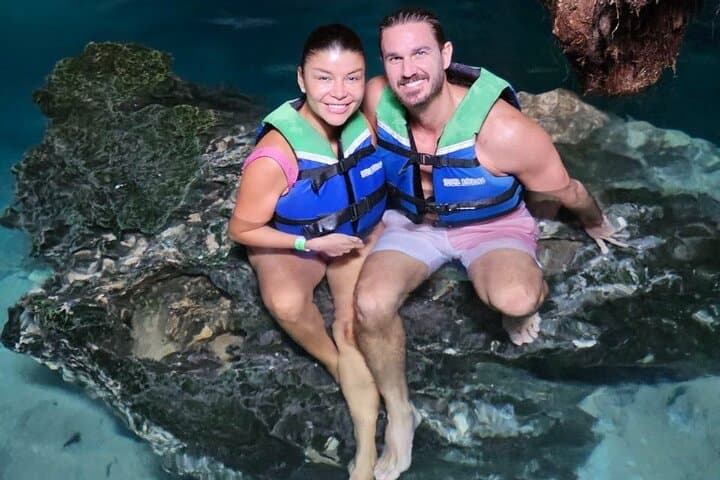
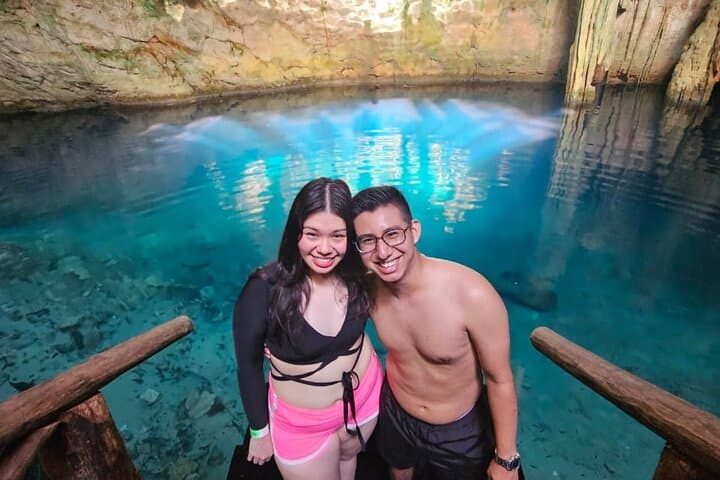
On this day trip from Mérida you move between underground grottos and open sinkholes: a closed cenote tucked inside a grotto, two semi-open caverns edged with stalactites, and a bright open pool with an easy ladder. Geology here is karst limestone shaped by millennia of freshwater, so expect sudden shafts of sunlight, dripping curtains of mineral, and water that changes color with depth.
These sinkholes were central to Maya cosmology and survival; they provided water and were often ceremonial sites. Later, the colonial-era town of Izamal became a forced reworking of ancient platforms — work that left the town’s dominant hilltop pyramid, Kinich Kak Moo, and the yellow-washed convent of San Antonio de Padua as visual anchors.
Practical side: the tour includes transport, entrances, lifevests and a la carte lunch. Bring a swimsuit, water shoes, biodegradable sunscreen and a small towel; lifevests are provided but basic swimming comfort helps. Plan for roughly a full day, with some walking and short climbs in Izamal. Carry cash for snacks, tips and souvenirs. Respect local rules: don’t touch stalactites, use non-invasive sunscreen, and follow the guide’s safety brief.
By midday you’ll trade subterranean hush for the bright plaza of Izamal — climb the temple platform for broad Yucatán views, then finish with a marquesita and a slow ride back to Mérida.
easy.
9–10 hours.
Suitable for most active travelers: light walking, short stair climbs, and basic swimming ability recommended.
No—lifevests are provided and most cenotes have calm water; however basic swimming comfort is recommended.
The tour lists wheelchair accessibility, but individual cenotes and historic sites may include uneven steps—check with the operator for specific assistance needs.
Lunch is a la carte at a local restaurant; bring cash or card and consider ordering regional dishes like cochinita pibil or fresh ceviche.
Lockers aren’t always available at cenotes—use a dry bag or leave non-essential valuables on the bus.
Cenotes were vital to Maya life and ritual; Izamal later became a colonial center built atop pre-Hispanic platforms, giving the town its layered heritage.
Cenote environments are fragile—use biodegradable products, avoid touching formations, and follow local rules to protect groundwater and wildlife.
Guías de Yucatán operates guided outdoor trips and adventures with an emphasis on safety, stewardship, and memorable experiences.

The light narrows as you slip from the jungle into a cave and the cenote’s water pulls you into cool clarity — a natural pool that seems to breathe beneath a vault of stone.
The light narrows as you slip from the jungle into a cave and the cenote’s water pulls you into cool clarity — a natural pool that seems to breathe beneath a vault of stone.
On this day trip from Mérida you move between underground grottos and open sinkholes: a closed cenote tucked inside a grotto, two semi-open caverns edged with stalactites, and a bright open pool with an easy ladder. Geology here is karst limestone shaped by millennia of freshwater, so expect sudden shafts of sunlight, dripping curtains of mineral, and water that changes color with depth.
These sinkholes were central to Maya cosmology and survival; they provided water and were often ceremonial sites. Later, the colonial-era town of Izamal became a forced reworking of ancient platforms — work that left the town’s dominant hilltop pyramid, Kinich Kak Moo, and the yellow-washed convent of San Antonio de Padua as visual anchors.
Practical side: the tour includes transport, entrances, lifevests and a la carte lunch. Bring a swimsuit, water shoes, biodegradable sunscreen and a small towel; lifevests are provided but basic swimming comfort helps. Plan for roughly a full day, with some walking and short climbs in Izamal. Carry cash for snacks, tips and souvenirs. Respect local rules: don’t touch stalactites, use non-invasive sunscreen, and follow the guide’s safety brief.
By midday you’ll trade subterranean hush for the bright plaza of Izamal — climb the temple platform for broad Yucatán views, then finish with a marquesita and a slow ride back to Mérida.