THE ADVENTURE COLLECTIVE® · Independent discovery and booking for outdoor travel

Drive Galicia’s raw Atlantic edge on a private nine‑hour tour from Santiago to Finisterre and the dramatic Costa da Morte. Visit Muros, Ézaro waterfall, Finisterre lighthouse and the sanctuary at Muxía with time for local seafood and coastal viewpoints.
Drive Galicia’s raw Atlantic edge on a private nine‑hour tour from Santiago to Finisterre and the dramatic Costa da Morte. Visit Muros, Ézaro waterfall, Finisterre lighthouse and the sanctuary at Muxía with time for local seafood and coastal viewpoints.
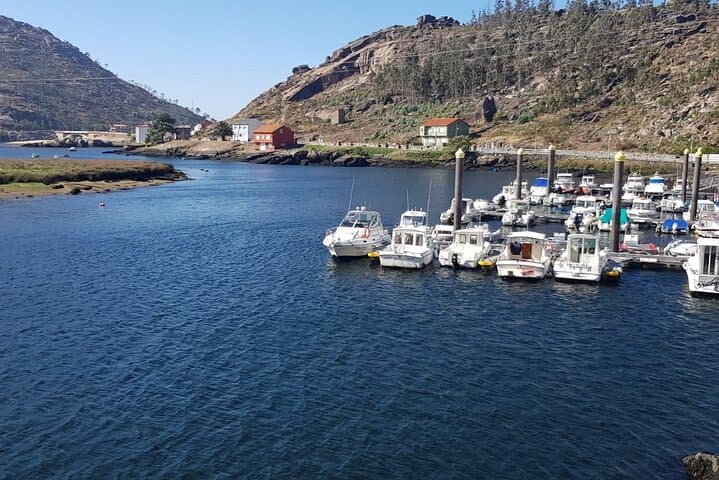
A salt wind hits the car as you leave Santiago’s granite plazas behind and head west toward the Atlantic. Coastal roads roll past eucalyptus and jagged cliffs; each bay opens like a new page in a weathered atlas. The day’s private pace lets you step off the highway in Muros’ fishing quarter, listen to gulls argue over the catch, and follow narrow streets to a harbor that still smells of seaweed and tar.
Verified experiences and guided adventures in the surrounding area.
Operated by OptimusTours · Finisterre, Galicia
A salt wind hits the car as you leave Santiago’s granite plazas behind and head west toward the Atlantic. Coastal roads roll past eucalyptus and jagged cliffs; each bay opens like a new page in a weathered atlas. The day’s private pace lets you step off the highway in Muros’ fishing quarter, listen to gulls argue over the catch, and follow narrow streets to a harbor that still smells of seaweed and tar.
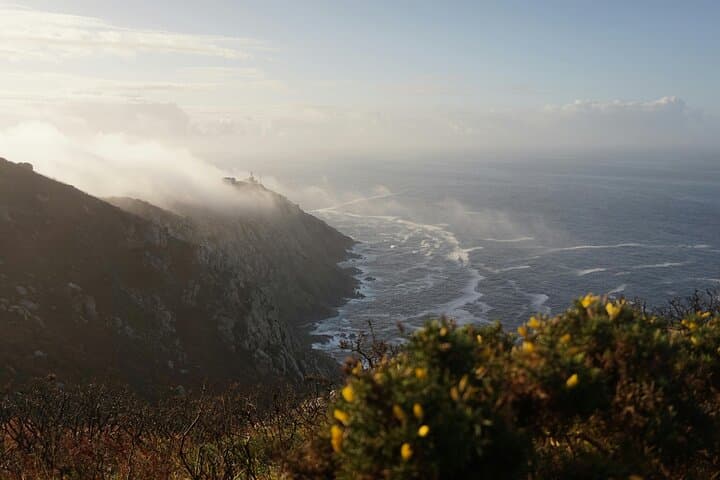
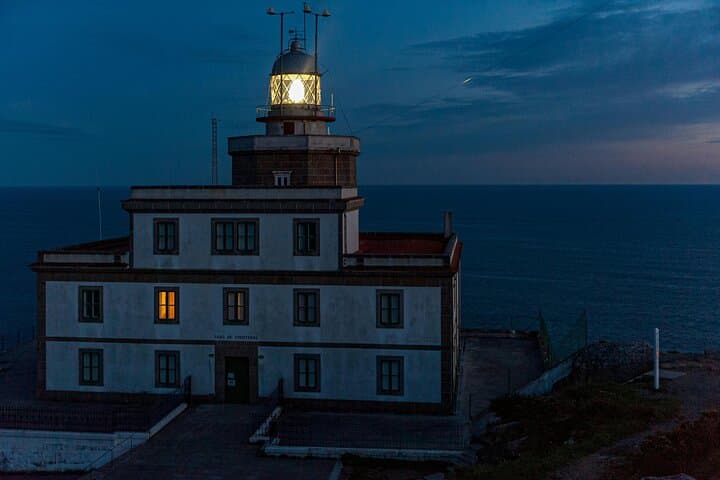
Geology here is blunt: ancient granite carved into rias and rugged capes. Costa da Morte—“Coast of Death”—earned its name from shipwrecks driven ashore on hidden rocks; lives and legends remain part of local culture. Pilgrims who continue beyond Santiago to Finisterre bring a tangible ritual quality to the place: the 19th‑century lighthouse on Cabo Finisterre marks a symbolic end-of-lands point once thought to be the world’s edge.
The tour stitches together Muros’ seafaring history, the Xallas River’s rare waterfall at Ézaro where freshwater drops directly to the sea, a long lunch in Finisterre’s harbor, and the shrine at Muxía with its coastal votive traditions. Expect short shore walks, viewpoints above plunging surf, and time to sample Galician seafood.
Practical notes: bring layered rain protection and sturdy shoes for uneven paths, leave early to avoid afternoon crowds at the lighthouse, and charge your camera—light changes fast along the rias. The private guide and vehicle handle logistics and allow flexibility, but coastal weather can alter the rhythm; plan for a nine‑hour day and comfortable footwear.
easy.
9 hours.
Suitable for travelers in normal physical condition; involves short, easy walks and standing at viewpoints.
The tour runs about nine hours with a private vehicle and guide; it combines short walks and seated transfers, with longer stops at Finisterre and Muxía.
Yes—private pickup from your Santiago de Compostela hotel is included in the service.
The tour includes transportation and an official guide; meals and venue admissions are generally not included unless specified by the operator.
The tour is described as suitable for all fitness levels; however, some viewpoints and waterfront areas have uneven ground—contact the operator about specific mobility needs.
Finisterre was treated by Romans and medieval pilgrims as a symbolic terminus; local coastal communities developed fishing and wreck‑rescue traditions tied to dangerous shoals.
The coastline is subject to erosion and sensitive marine ecosystems; stick to marked paths, avoid disturbing wildlife, and support local businesses to reduce pressure on natural sites.
OptimusTours operates guided outdoor trips and adventures with an emphasis on safety, stewardship, and memorable experiences.
A salt wind hits the car as you leave Santiago’s granite plazas behind and head west toward the Atlantic. Coastal roads roll past eucalyptus and jagged cliffs; each bay opens like a new page in a weathered atlas. The day’s private pace lets you step off the highway in Muros’ fishing quarter, listen to gulls argue over the catch, and follow narrow streets to a harbor that still smells of seaweed and tar.
A salt wind hits the car as you leave Santiago’s granite plazas behind and head west toward the Atlantic. Coastal roads roll past eucalyptus and jagged cliffs; each bay opens like a new page in a weathered atlas. The day’s private pace lets you step off the highway in Muros’ fishing quarter, listen to gulls argue over the catch, and follow narrow streets to a harbor that still smells of seaweed and tar.
Geology here is blunt: ancient granite carved into rias and rugged capes. Costa da Morte—“Coast of Death”—earned its name from shipwrecks driven ashore on hidden rocks; lives and legends remain part of local culture. Pilgrims who continue beyond Santiago to Finisterre bring a tangible ritual quality to the place: the 19th‑century lighthouse on Cabo Finisterre marks a symbolic end-of-lands point once thought to be the world’s edge.
The tour stitches together Muros’ seafaring history, the Xallas River’s rare waterfall at Ézaro where freshwater drops directly to the sea, a long lunch in Finisterre’s harbor, and the shrine at Muxía with its coastal votive traditions. Expect short shore walks, viewpoints above plunging surf, and time to sample Galician seafood.
Practical notes: bring layered rain protection and sturdy shoes for uneven paths, leave early to avoid afternoon crowds at the lighthouse, and charge your camera—light changes fast along the rias. The private guide and vehicle handle logistics and allow flexibility, but coastal weather can alter the rhythm; plan for a nine‑hour day and comfortable footwear.