THE ADVENTURE COLLECTIVE® · Independent discovery and booking for outdoor travel

Walk the medieval alleys of Fez with a knowledgeable local guide who deciphers architecture, artisans, and markets across a private four-hour route. Expect uneven cobbles, intimate encounters with craftspeople, and curated stops at Bou Inania, the tanneries, and Nejjarine.
Walk the medieval alleys of Fez with a knowledgeable local guide who deciphers architecture, artisans, and markets across a private four-hour route. Expect uneven cobbles, intimate encounters with craftspeople, and curated stops at Bou Inania, the tanneries, and Nejjarine.
Stone alleys in Fez coil under a pale sky, and the medina breathes around you—calls of vendors, the clack of wooden doors, and the scent of spices rising from stalls. Your private guide pauses at a fork, pointing to carved plaster and centuries-old zellij, translating the city’s language so the lanes stop being confusing and start making sense.
Verified experiences and guided adventures in the surrounding area.
Operated by Salim Khettabi Filali · Fez, Fès-Meknès
Stone alleys in Fez coil under a pale sky, and the medina breathes around you—calls of vendors, the clack of wooden doors, and the scent of spices rising from stalls. Your private guide pauses at a fork, pointing to carved plaster and centuries-old zellij, translating the city’s language so the lanes stop being confusing and start making sense.
This four-hour tour moves through Fes el-Bali, the medieval heart set against the foothills of the Middle Atlas. Here the University of Al-Qarawiyyin—founded in 859 CE—anchors an urban fabric woven from tannery pits, madrasas of the Marinids, and funduqs that once hosted long-distance traders. Stone, cedar, and lime plaster tell a practical history of craft, religion, and commerce; the Nejjarine Museum recalls the woodworking trade that shaped local livelihoods.
Expect tight alleys, uneven cobbles, and short stair climbs as you stop at Bou Inania, Attarine Madresa, the Chouara Tannery viewpoints, and the Zaouia of Moulay Idriss II. Guides explain architectural terms, point out restored tilework, and introduce artisans—this is a living city, not a staged museum.
Practical guidance: wear grippy shoes, bring water and sun protection, and carry small bills for purchases and tips. Photography is allowed in public spaces but ask before photographing people or private workshops. Mornings are cooler and less crowded; the private format lets you shape the route—request a focus on crafts, culinary stops, or architectural detail when booking.
easy.
4 hours.
Light walking fitness; comfortable standing and walking on uneven surfaces for several hours
Yes—physical demand is low, but infants must sit on an adult’s lap; discuss pacing and stops with your guide when booking.
Admissions are generally not included; the itinerary notes attractions but entry fees should be confirmed with the operator before arrival.
Access to prayer halls is traditionally restricted; visitors typically view the exterior and nearby library areas—ask your guide for current rules and viewpoints.
Most of the medina is narrow, stepped, and cobbled—not wheelchair-friendly; travelers with mobility needs should discuss a customized route or private transport options prior to booking.
Fez’s medina dates to the 9th century and houses Al-Qarawiyyin (est. 859 CE); the historic city is a UNESCO World Heritage site and a center of medieval scholarship and craft.
Restoration projects aim to preserve traditional architecture and workshops; support conservation by buying from certified artisans, minimizing waste, and following posted rules in sensitive sites.
Salim Khettabi Filali operates guided outdoor trips and adventures with an emphasis on safety, stewardship, and memorable experiences.

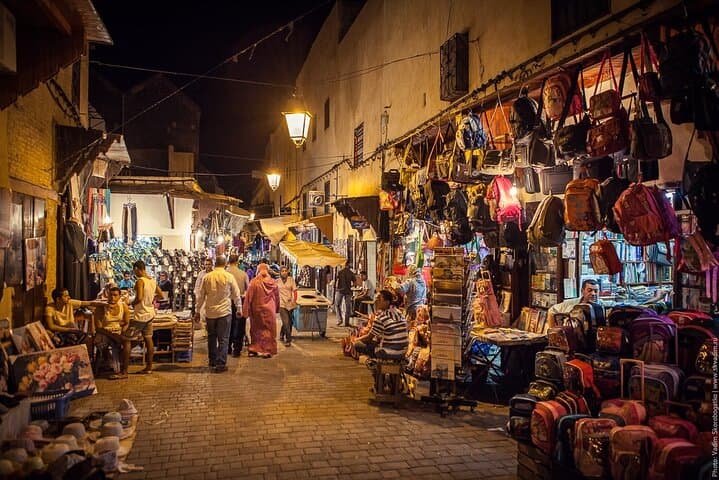
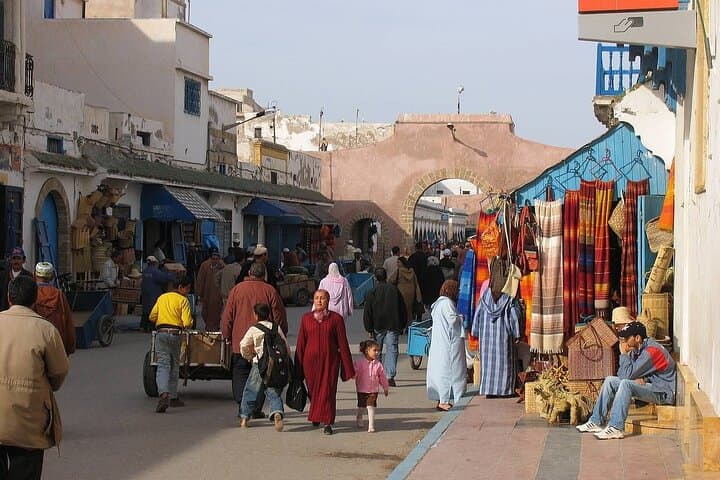
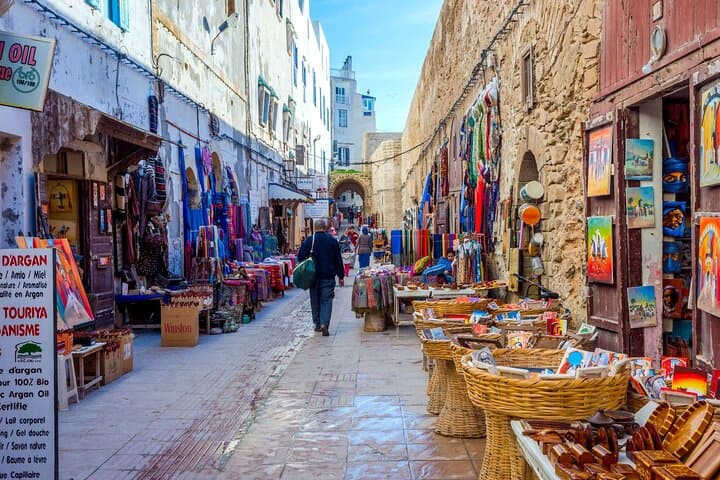
Stone alleys in Fez coil under a pale sky, and the medina breathes around you—calls of vendors, the clack of wooden doors, and the scent of spices rising from stalls. Your private guide pauses at a fork, pointing to carved plaster and centuries-old zellij, translating the city’s language so the lanes stop being confusing and start making sense.
Stone alleys in Fez coil under a pale sky, and the medina breathes around you—calls of vendors, the clack of wooden doors, and the scent of spices rising from stalls. Your private guide pauses at a fork, pointing to carved plaster and centuries-old zellij, translating the city’s language so the lanes stop being confusing and start making sense.
This four-hour tour moves through Fes el-Bali, the medieval heart set against the foothills of the Middle Atlas. Here the University of Al-Qarawiyyin—founded in 859 CE—anchors an urban fabric woven from tannery pits, madrasas of the Marinids, and funduqs that once hosted long-distance traders. Stone, cedar, and lime plaster tell a practical history of craft, religion, and commerce; the Nejjarine Museum recalls the woodworking trade that shaped local livelihoods.
Expect tight alleys, uneven cobbles, and short stair climbs as you stop at Bou Inania, Attarine Madresa, the Chouara Tannery viewpoints, and the Zaouia of Moulay Idriss II. Guides explain architectural terms, point out restored tilework, and introduce artisans—this is a living city, not a staged museum.
Practical guidance: wear grippy shoes, bring water and sun protection, and carry small bills for purchases and tips. Photography is allowed in public spaces but ask before photographing people or private workshops. Mornings are cooler and less crowded; the private format lets you shape the route—request a focus on crafts, culinary stops, or architectural detail when booking.