THE ADVENTURE COLLECTIVE® · Independent discovery and booking for outdoor travel

A private day tour from Civitavecchia that pairs the painted tombs of Tarquinia with the Romanesque churches of Tuscania. Spend eight hours exploring Etruscan necropoleis, museums, and hilltop views with a dedicated driver.
A private day tour from Civitavecchia that pairs the painted tombs of Tarquinia with the Romanesque churches of Tuscania. Spend eight hours exploring Etruscan necropoleis, museums, and hilltop views with a dedicated driver.
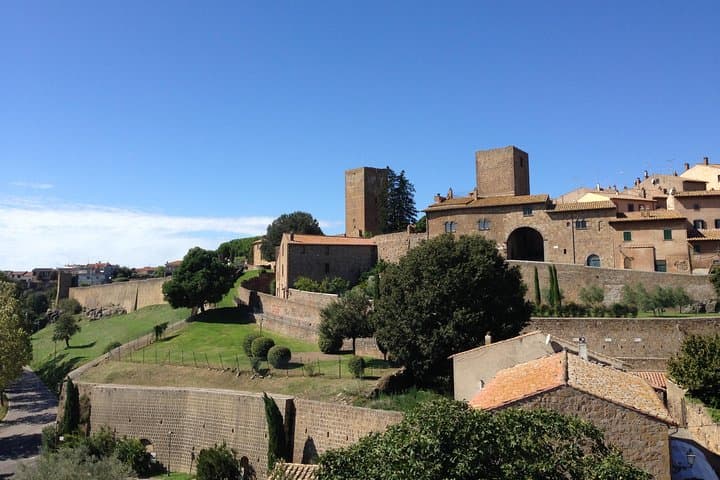
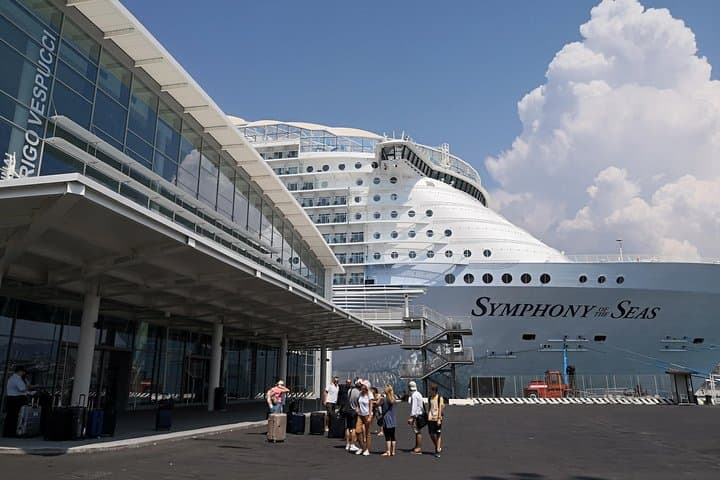
Morning light off the Tyrrhenian Sea gives Civitavecchia’s port a clean, briny edge as your driver waits with your name on a card. In less than an hour you’ll be driving inland, the coastal scrub yielding to low hills where olive trees crowd terraces and the landscape opens into the rolling plain of the ancient Tuscia. Tarquinia’s medieval lanes fold like pages; frescoed tombs in the Monterozzi necropolis stare back from the rock.
Verified experiences and guided adventures in the surrounding area.
Operated by Cruising Rome · Tarquinia, Lazio
Morning light off the Tyrrhenian Sea gives Civitavecchia’s port a clean, briny edge as your driver waits with your name on a card. In less than an hour you’ll be driving inland, the coastal scrub yielding to low hills where olive trees crowd terraces and the landscape opens into the rolling plain of the ancient Tuscia. Tarquinia’s medieval lanes fold like pages; frescoed tombs in the Monterozzi necropolis stare back from the rock.
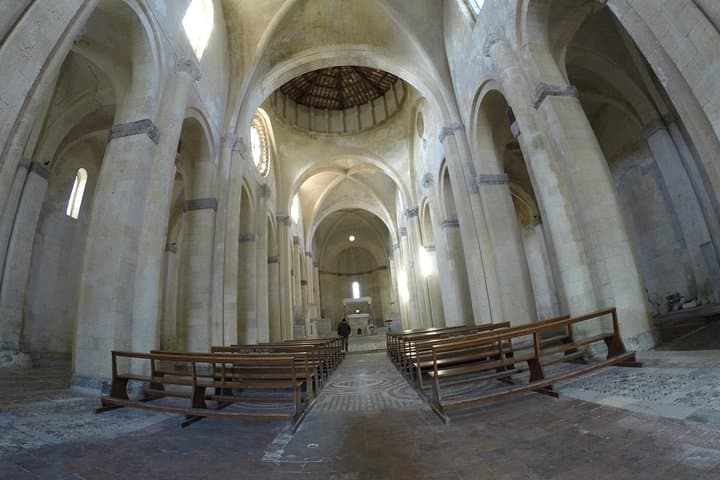
This region was the core of Etruria — the pre-Roman civilization whose painted tombs, noble sarcophagi, and undeciphered inscriptions still shape local identity. Geology here is volcanic and sedimentary: soft tuff and tufo that Etruscans carved for tombs and towns, and limestone ridges that give Tuscania its skyline. Cultural touchstones include the National Etruscan Museum in Palazzo Vitelleschi, Tarquinia’s Cathedral, and Tuscania’s Basilica of San Pietro with its layered Romanesque façades.
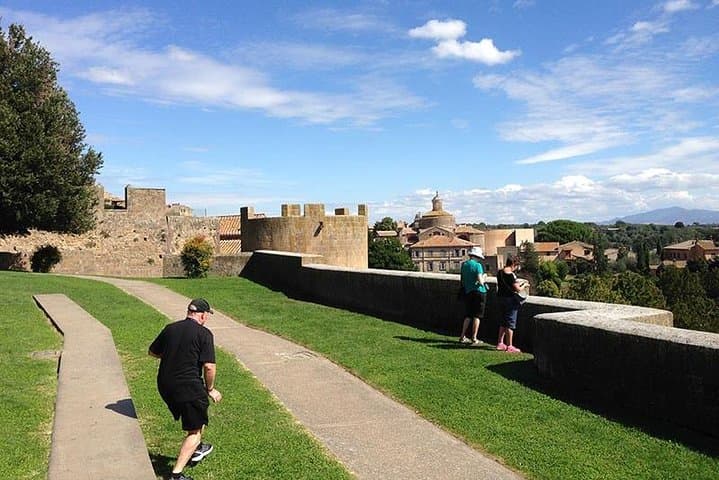
Practical edge: the private tour runs about eight hours with roughly 20 minutes driving between Tarquinia and Tuscania. Expect a moderate amount of walking on uneven stone streets and archaeological sites; museum admissions are not always included, so budget extra time and euros. Wear supportive shoes, carry water and sun protection, and confirm your ship’s docking and re-boarding times when booking. The route rewards steady pacing — frescoed tombs daring you to slow down, hilltop viewpoints pushing your gaze across a landscape that has watched centuries pass.
easy.
8 hours.
Light to moderate fitness; able to walk on uneven cobbles and climb short staircases.
Yes—private transport and port pickup/drop-off are included; provide your ship name and times when booking.
Some admissions are not included—check with the operator and budget extra for entry to the National Etruscan Museum and specific tomb sites.
The tour notes wheelchair-accessible transportation and some accessible surfaces, but many archaeological areas have uneven ground and limited access; contact the supplier to confirm specific needs.
Expect a moderate amount of walking across uneven stone streets and short staircases—suitable for most fitness levels but not ideal for long-distance hikers.
Tarquinia and Tuscania were important urban centers in Etruria; Tarquinia’s Monterozzi necropolis contains thousands of rock-cut tombs with painted scenes dating from the 7th–3rd centuries BC.
Frescoes and tomb interiors are sensitive to humidity and touch—stay on marked paths, avoid flash photography where restricted, and support local museums that fund preservation.
Cruising Rome operates guided outdoor trips and adventures with an emphasis on safety, stewardship, and memorable experiences.
Morning light off the Tyrrhenian Sea gives Civitavecchia’s port a clean, briny edge as your driver waits with your name on a card. In less than an hour you’ll be driving inland, the coastal scrub yielding to low hills where olive trees crowd terraces and the landscape opens into the rolling plain of the ancient Tuscia. Tarquinia’s medieval lanes fold like pages; frescoed tombs in the Monterozzi necropolis stare back from the rock.
Morning light off the Tyrrhenian Sea gives Civitavecchia’s port a clean, briny edge as your driver waits with your name on a card. In less than an hour you’ll be driving inland, the coastal scrub yielding to low hills where olive trees crowd terraces and the landscape opens into the rolling plain of the ancient Tuscia. Tarquinia’s medieval lanes fold like pages; frescoed tombs in the Monterozzi necropolis stare back from the rock.
This region was the core of Etruria — the pre-Roman civilization whose painted tombs, noble sarcophagi, and undeciphered inscriptions still shape local identity. Geology here is volcanic and sedimentary: soft tuff and tufo that Etruscans carved for tombs and towns, and limestone ridges that give Tuscania its skyline. Cultural touchstones include the National Etruscan Museum in Palazzo Vitelleschi, Tarquinia’s Cathedral, and Tuscania’s Basilica of San Pietro with its layered Romanesque façades.
Practical edge: the private tour runs about eight hours with roughly 20 minutes driving between Tarquinia and Tuscania. Expect a moderate amount of walking on uneven stone streets and archaeological sites; museum admissions are not always included, so budget extra time and euros. Wear supportive shoes, carry water and sun protection, and confirm your ship’s docking and re-boarding times when booking. The route rewards steady pacing — frescoed tombs daring you to slow down, hilltop viewpoints pushing your gaze across a landscape that has watched centuries pass.