THE ADVENTURE COLLECTIVE® · Independent discovery and booking for outdoor travel

Spend a private day moving from the marble avenues of Ephesus to the quiet chapel of the House of Mary, then unwind in a traditional Turkish bath. This 5–6 hour tour combines archaeology, pilgrimage, and a restorative hammam.
Spend a private day moving from the marble avenues of Ephesus to the quiet chapel of the House of Mary, then unwind in a traditional Turkish bath. This 5–6 hour tour combines archaeology, pilgrimage, and a restorative hammam.
Morning light strips across limestone colonnades as a private vehicle slips away from the Aegean coast toward Ephesus. Walkers move between sun-warmed marble and the shaded alleys of an ancient city where stone still remembers voices from three millennia ago.
Verified experiences and guided adventures in the surrounding area.
Operated by Online Travel Turkey · Selçuk, İzmir Province
Morning light strips across limestone colonnades as a private vehicle slips away from the Aegean coast toward Ephesus. Walkers move between sun-warmed marble and the shaded alleys of an ancient city where stone still remembers voices from three millennia ago.
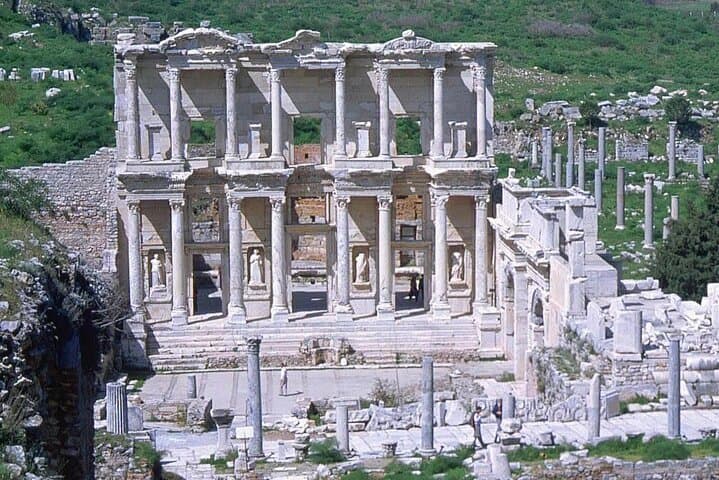
Ephesus rose as a major Ionian port, expanding under Roman rule into a metropolis famed for its Celsus Library and vast theater. The House of the Virgin Mary, perched above the valley, later became a pilgrimage site with a simple Byzantine chapel that draws Christian visitors seeking quiet reflection. Geologically, the site sits on alluvial terraces fed by a river that once met the sea here; centuries of sediment shifted the coastline and reshaped the landscape visitors see today.
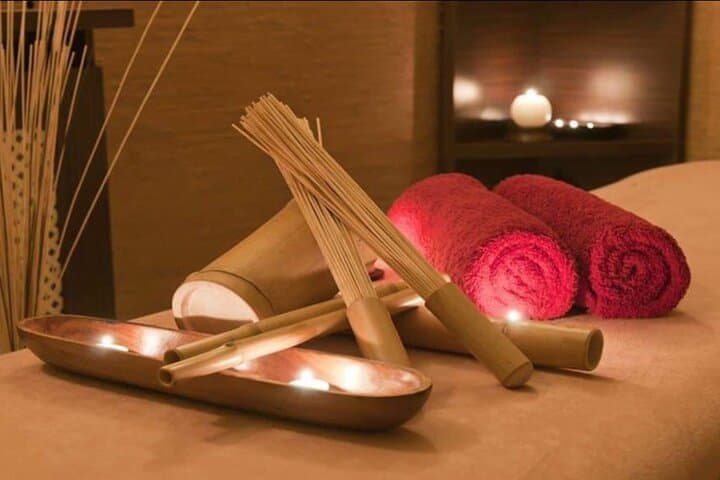
Locally, Selçuk and nearby Kusadasi retain a working-market rhythm: fishermen haul their morning catch while vendors sell figs and pistachios. The day ends in a traditional hamam, where heat and steam slow the day’s motion and a centuries-old bathing ritual gives the town a tactile, comforting culture.
Practical guidance: the private tour runs about 5–6 hours and includes transport, guiding, and lunch. Wear sturdy walking shoes—the ruins have uneven marble and steps—and bring sun protection and a refillable water bottle; shade is limited. Entrance fees may require Turkish lira or card. Expect moderate walking at a relaxed pace suitable for most fitness levels. For the hamam, bring a change of clothes and check any personal health restrictions in advance.
This one-day combination gives a concentrated look at ancient urban life, layered faith traditions, and living Turkish customs, all accessible from the coastal towns of the Aegean.
easy.
5–6 hours.
Suitable for most fitness levels; involves 2–3 miles of walking on uneven surfaces and stairs
The tour lasts approximately 5–6 hours (300–360 minutes), including transfers, guided visits, lunch and the Turkish bath.
Admission fees are typically not included; the tour operator will advise if fees must be paid in Turkish lira or by card at sites.
Yes; the traditional Turkish bath included is run for general visitors—staff will explain the ritual and any options for scrub and massage.
The tour listing notes accessibility options, but the Ephesus ruins have uneven ground and steps; discuss specific needs with the operator before booking.
Ephesus was a major Ionian city and later a wealthy Roman center; pilgrims have visited the House of Mary since at least the Byzantine period.
Ephesus faces visitor-impact challenges—stay on marked paths, avoid touching ancient stonework, and follow local guidance to support preservation.
Online Travel Turkey operates guided outdoor trips and adventures with an emphasis on safety, stewardship, and memorable experiences.


Morning light strips across limestone colonnades as a private vehicle slips away from the Aegean coast toward Ephesus. Walkers move between sun-warmed marble and the shaded alleys of an ancient city where stone still remembers voices from three millennia ago.
Morning light strips across limestone colonnades as a private vehicle slips away from the Aegean coast toward Ephesus. Walkers move between sun-warmed marble and the shaded alleys of an ancient city where stone still remembers voices from three millennia ago.
Ephesus rose as a major Ionian port, expanding under Roman rule into a metropolis famed for its Celsus Library and vast theater. The House of the Virgin Mary, perched above the valley, later became a pilgrimage site with a simple Byzantine chapel that draws Christian visitors seeking quiet reflection. Geologically, the site sits on alluvial terraces fed by a river that once met the sea here; centuries of sediment shifted the coastline and reshaped the landscape visitors see today.
Locally, Selçuk and nearby Kusadasi retain a working-market rhythm: fishermen haul their morning catch while vendors sell figs and pistachios. The day ends in a traditional hamam, where heat and steam slow the day’s motion and a centuries-old bathing ritual gives the town a tactile, comforting culture.
Practical guidance: the private tour runs about 5–6 hours and includes transport, guiding, and lunch. Wear sturdy walking shoes—the ruins have uneven marble and steps—and bring sun protection and a refillable water bottle; shade is limited. Entrance fees may require Turkish lira or card. Expect moderate walking at a relaxed pace suitable for most fitness levels. For the hamam, bring a change of clothes and check any personal health restrictions in advance.
This one-day combination gives a concentrated look at ancient urban life, layered faith traditions, and living Turkish customs, all accessible from the coastal towns of the Aegean.