THE ADVENTURE COLLECTIVE® · Independent discovery and booking for outdoor travel

Board a ferry from the Gateway of India and spend half a day exploring Elephanta’s rock-cut caves — a compact UNESCO site where towering Shiva panels and basalt ridges meet the Arabian Sea. This private shore excursion pairs cultural depth with straightforward logistics for visitors short on time.
Board a ferry from the Gateway of India and spend half a day exploring Elephanta’s rock-cut caves — a compact UNESCO site where towering Shiva panels and basalt ridges meet the Arabian Sea. This private shore excursion pairs cultural depth with straightforward logistics for visitors short on time.
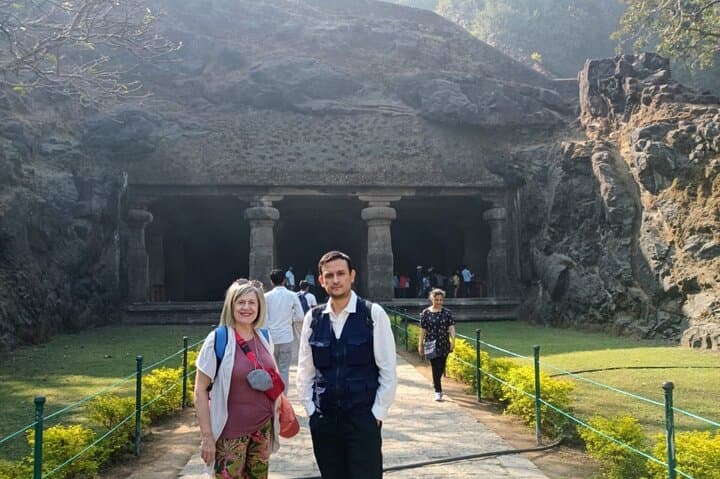
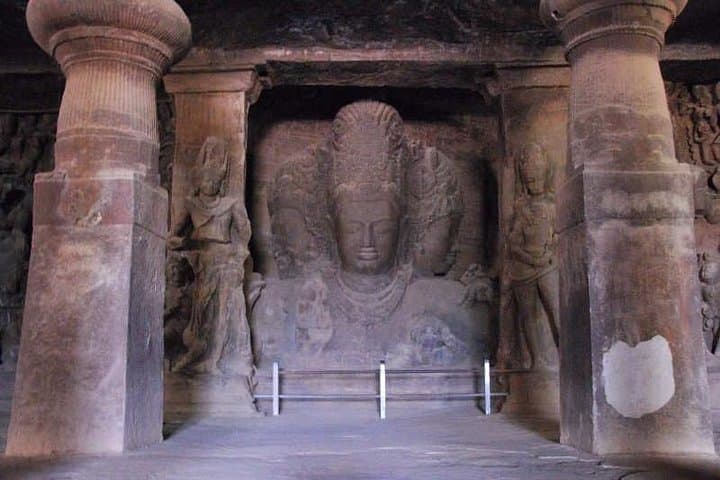
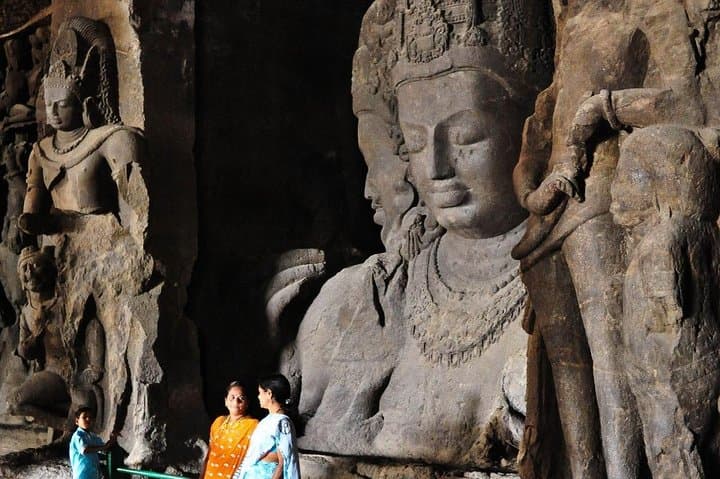
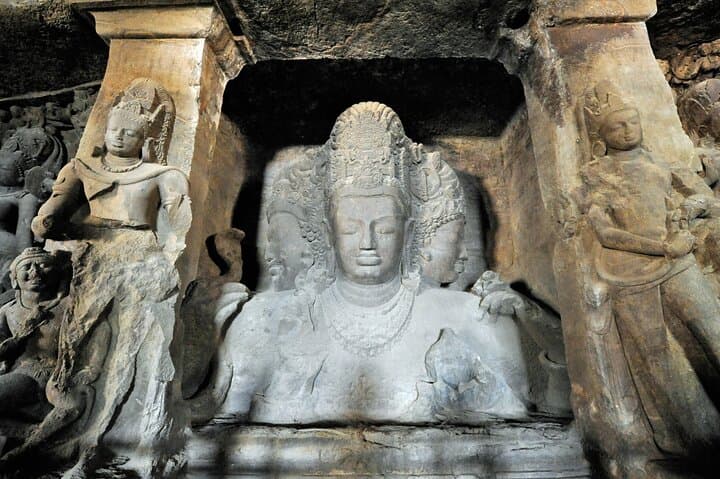
A short ferry cuts through the Arabian Sea, the salt air nudging you toward a rocky island crowned with basalt carvings. Disembarking at Elephanta (Gharapuri), visitors climb a stepped path that opens into the Great Cave — a cavernous hall of monolithic panels where Shiva appears in many guises, his stone gestures worn by centuries of weather and human hands.
Verified experiences and guided adventures in the surrounding area.
Operated by Young Tours And Travel · Mumbai, Maharashtra
A short ferry cuts through the Arabian Sea, the salt air nudging you toward a rocky island crowned with basalt carvings. Disembarking at Elephanta (Gharapuri), visitors climb a stepped path that opens into the Great Cave — a cavernous hall of monolithic panels where Shiva appears in many guises, his stone gestures worn by centuries of weather and human hands.
Carved from Miocene basalt, the caves date from roughly the 5th–8th centuries CE and show a blend of Shaiva Hindu tradition with earlier Buddhist influences. Portuguese arrival in the 16th century brought damage to sculptures; restoration in the 20th century led to UNESCO designation in 1987. Geologically, the island’s two hills rise to about 150–173 m, separated by a deep ravine; the rock is dense, with stairways and narrow passages cut into solid lava flows.
Culturally the site reads as an open-air manuscript: reliefs narrate myths, and the Gateway of India — the ferry’s departure point in Mumbai — anchors the shore-side story of colonial arrivals.
Practical notes: plan 5–6 hours including transport from south Mumbai and time for the ferry. Expect uneven basalt steps, short exposed stretches, and bright sun in summer; bottled water is usually provided but bring extras. Photography is allowed but be respectful of sacred panels. Mobility-impaired visitors should confirm access options in advance; while there are flat areas and accessible services noted, many approaches involve steps. Afternoon light sculpts the reliefs; early morning brings cooler air and fewer crowds.
moderate.
5–6 hours.
Light to moderate fitness; stair climbing and short uphill walks are required.
Ferries depart from the Gateway of India in South Mumbai; a private tour operator typically includes round-trip boat transfers and land transport to the pier.
Some services and areas are wheelchair-accessible, but many paths include steps; contact the operator ahead to confirm suitable access arrangements.
Plan 5–6 hours total for pickup, ferry crossing, time on the island (about 1.5–3 hours), and return to Mumbai.
Photography is generally permitted; avoid flash on fragile panels and be respectful of any signs or restricted areas.
The caves are largely 5th–8th century rock-cut temples showing strong Shaiva influence; Portuguese occupation in the 16th century caused damage before 20th-century restorations and UNESCO protection in 1987.
Visitor management and restoration efforts focus on stabilizing carved basalt and reducing wear from foot traffic; minimize impact by staying on designated paths and avoiding touching sculptures.
Young Tours And Travel operates guided outdoor trips and adventures with an emphasis on safety, stewardship, and memorable experiences.
A short ferry cuts through the Arabian Sea, the salt air nudging you toward a rocky island crowned with basalt carvings. Disembarking at Elephanta (Gharapuri), visitors climb a stepped path that opens into the Great Cave — a cavernous hall of monolithic panels where Shiva appears in many guises, his stone gestures worn by centuries of weather and human hands.
A short ferry cuts through the Arabian Sea, the salt air nudging you toward a rocky island crowned with basalt carvings. Disembarking at Elephanta (Gharapuri), visitors climb a stepped path that opens into the Great Cave — a cavernous hall of monolithic panels where Shiva appears in many guises, his stone gestures worn by centuries of weather and human hands.
Carved from Miocene basalt, the caves date from roughly the 5th–8th centuries CE and show a blend of Shaiva Hindu tradition with earlier Buddhist influences. Portuguese arrival in the 16th century brought damage to sculptures; restoration in the 20th century led to UNESCO designation in 1987. Geologically, the island’s two hills rise to about 150–173 m, separated by a deep ravine; the rock is dense, with stairways and narrow passages cut into solid lava flows.
Culturally the site reads as an open-air manuscript: reliefs narrate myths, and the Gateway of India — the ferry’s departure point in Mumbai — anchors the shore-side story of colonial arrivals.
Practical notes: plan 5–6 hours including transport from south Mumbai and time for the ferry. Expect uneven basalt steps, short exposed stretches, and bright sun in summer; bottled water is usually provided but bring extras. Photography is allowed but be respectful of sacred panels. Mobility-impaired visitors should confirm access options in advance; while there are flat areas and accessible services noted, many approaches involve steps. Afternoon light sculpts the reliefs; early morning brings cooler air and fewer crowds.