THE ADVENTURE COLLECTIVE® · Independent discovery and booking for outdoor travel

Spend an afternoon tracing Ancient Egypt’s imprint on America’s capital with an Egyptologist. This two-hour guided walk links mummies, monuments, and the civic ideas that built Washington.
Spend an afternoon tracing Ancient Egypt’s imprint on America’s capital with an Egyptologist. This two-hour guided walk links mummies, monuments, and the civic ideas that built Washington.
The tour opens beneath the long shadow of the U.S. Capitol, where carved stone and measured steps invite you to read democracy as if it were a layered ruin. Dr. Ali Zohery guides a small crowd through Washington’s axial monuments and museum halls, tracing how Egyptian concepts of kingship, memory, and law were repurposed into American civic architecture.
The tour opens beneath the long shadow of the U.S. Capitol, where carved stone and measured steps invite you to read democracy as if it were a layered ruin. Dr. Ali Zohery guides a small crowd through Washington’s axial monuments and museum halls, tracing how Egyptian concepts of kingship, memory, and law were repurposed into American civic architecture.
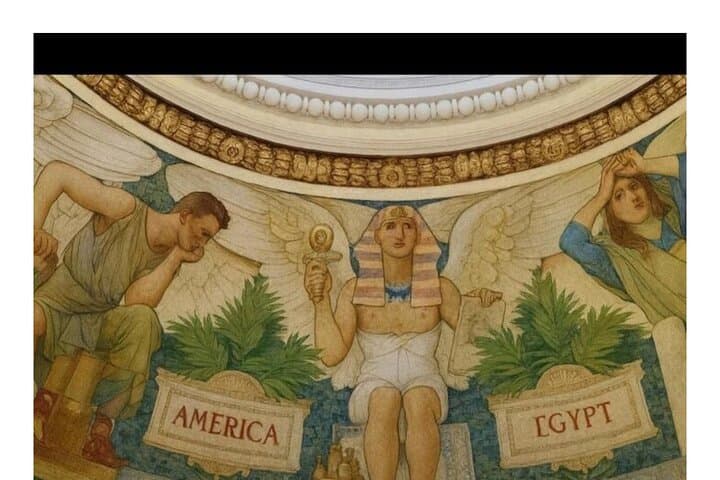
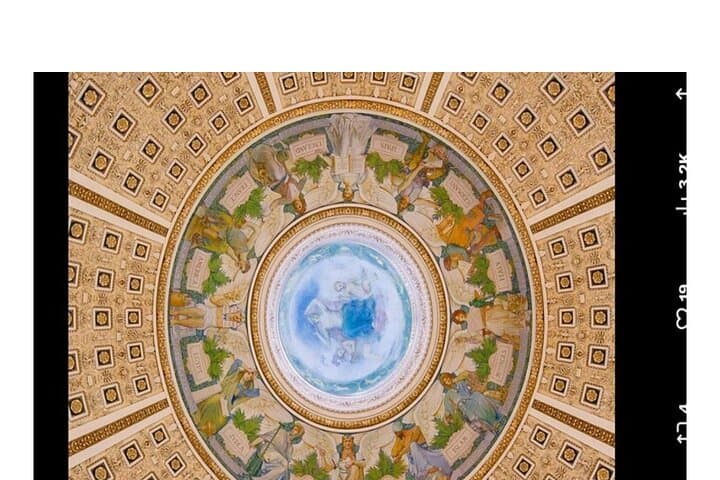
You move from the Capitol’s marble order into the Library of Congress — a modern house of memory that echoes ancient archival practices — then into the National Museum of Natural History’s Egyptian galleries where real mummies, sarcophagi and funerary objects confront modern science. The Washington Monument itself, a deliberate echo of Egyptian obelisks, rises like an idea transposed across time; the Lincoln and Jefferson memorials close the loop on leadership, legacy and civic rebirth.
Geology here is quiet: the Potomac’s floodplain shaped the Mall’s flatness and sightlines, making monumental alignments possible. Cultural context is louder: nineteenth-century American architects looked to Egypt for permanence; museums catalog knowledge while memorials perform civic ritual.
Practically, expect two hours of mostly flat walking with intermittent indoor stops. Bring a water bottle, wear quiet shoes for gallery floors, and allow time for security screening at each federal site. Photography rules vary in museums; check signage. Tours run afternoons (not Fridays) and are ideal for history-minded travelers who want an interpretive thread connecting pharaonic symbols to modern governance.
easy.
2 hours.
Suitable for most fitness levels; involves continuous walking on flat terrain with brief standing in galleries.
Meet at the U.S. Capitol grounds; the route traverses the Mall and typically concludes near the Jefferson Memorial, with exact meeting instructions provided at booking.
No—this tour interprets public monuments and museum exteriors and collections; any paid admissions (if required) are noted in the listing and paid separately.
Yes—physical demands are low, but the material is academic; consider the two-hour length and museum noise for younger children or those with mobility limits.
The tour opens beneath the long shadow of the U.S. Capitol, where carved stone and measured steps invite you to read democracy as if it were a layered ruin. Dr. Ali Zohery guides a small crowd through Washington’s axial monuments and museum halls, tracing how Egyptian concepts of kingship, memory, and law were repurposed into American civic architecture.
Verified experiences and guided adventures in the surrounding area.
Service animals are allowed; the host requests special requirements at booking so accommodations can be coordinated.
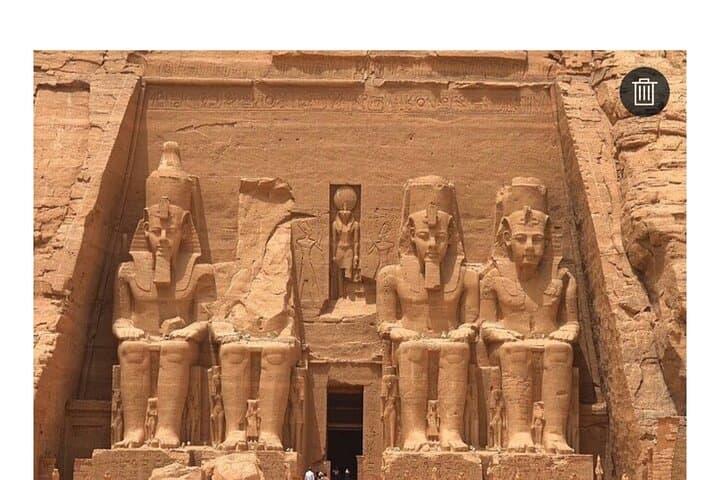
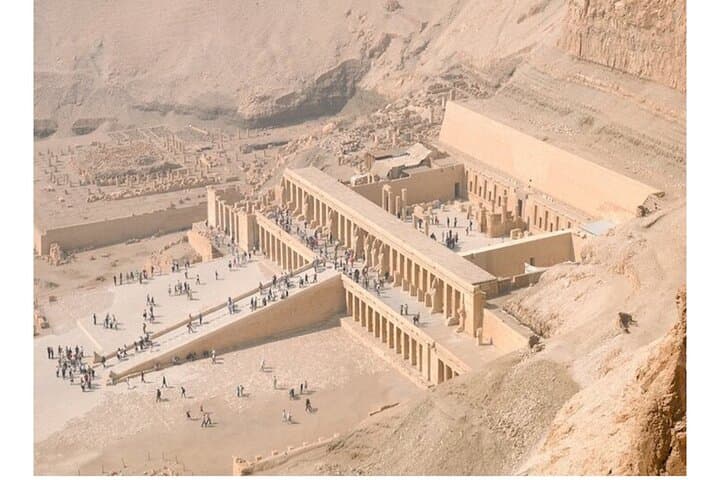
In the 19th century, American architects and politicians borrowed Egyptian forms—especially obelisks—to convey permanence; many Mall alignments reflect that aesthetic choice.
Preserve artifacts by following museum rules on touching and photography; stay on paved paths and respect plantings on the Mall to reduce erosion and maintenance needs.
Zohery Tours International, Inc operates guided outdoor trips and adventures with an emphasis on safety, stewardship, and memorable experiences.
The tour opens beneath the long shadow of the U.S. Capitol, where carved stone and measured steps invite you to read democracy as if it were a layered ruin. Dr. Ali Zohery guides a small crowd through Washington’s axial monuments and museum halls, tracing how Egyptian concepts of kingship, memory, and law were repurposed into American civic architecture.
You move from the Capitol’s marble order into the Library of Congress — a modern house of memory that echoes ancient archival practices — then into the National Museum of Natural History’s Egyptian galleries where real mummies, sarcophagi and funerary objects confront modern science. The Washington Monument itself, a deliberate echo of Egyptian obelisks, rises like an idea transposed across time; the Lincoln and Jefferson memorials close the loop on leadership, legacy and civic rebirth.
Geology here is quiet: the Potomac’s floodplain shaped the Mall’s flatness and sightlines, making monumental alignments possible. Cultural context is louder: nineteenth-century American architects looked to Egypt for permanence; museums catalog knowledge while memorials perform civic ritual.
Practically, expect two hours of mostly flat walking with intermittent indoor stops. Bring a water bottle, wear quiet shoes for gallery floors, and allow time for security screening at each federal site. Photography rules vary in museums; check signage. Tours run afternoons (not Fridays) and are ideal for history-minded travelers who want an interpretive thread connecting pharaonic symbols to modern governance.