THE ADVENTURE COLLECTIVE® · Independent discovery and booking for outdoor travel

Move from wind-swept paramo to hummingbird-saturated cloud forest on a full-day journey through Ecuador’s Rio Quijos Valley. Expect panoramic volcano views, specialized birding, and a chance—rare but real—to glimpse Andean bears.
Move from wind-swept paramo to hummingbird-saturated cloud forest on a full-day journey through Ecuador’s Rio Quijos Valley. Expect panoramic volcano views, specialized birding, and a chance—rare but real—to glimpse Andean bears.
A thin morning mist lifts off the valley as your minivan cuts east from Quito, the Andes loosening into steep, green foothills. High above, paramo grasslands roll toward the Antisana massif; below, rivers dare you with the first notes of the Amazon. The day moves from tundra-like passes to dense cloud forest as altitude falls and life thickens.
Verified experiences and guided adventures in the surrounding area.
Operated by Neotropical Nature and Birding Trips · Quito, Pichincha
A thin morning mist lifts off the valley as your minivan cuts east from Quito, the Andes loosening into steep, green foothills. High above, paramo grasslands roll toward the Antisana massif; below, rivers dare you with the first notes of the Amazon. The day moves from tundra-like passes to dense cloud forest as altitude falls and life thickens.
Geology here is alive: young volcanic peaks and volcanic ash soils feed quick-draining slopes that funnel water into the Quijos watershed, the Amazon’s highland doorway. Culturally the valley has been a corridor—Indigenous and mestizo communities have long managed these slopes and rivers, and modern conservation efforts lean on that local knowledge to protect habitat.
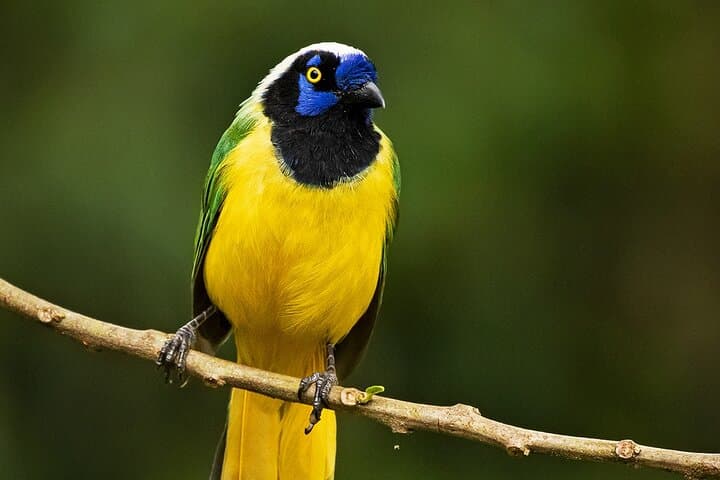
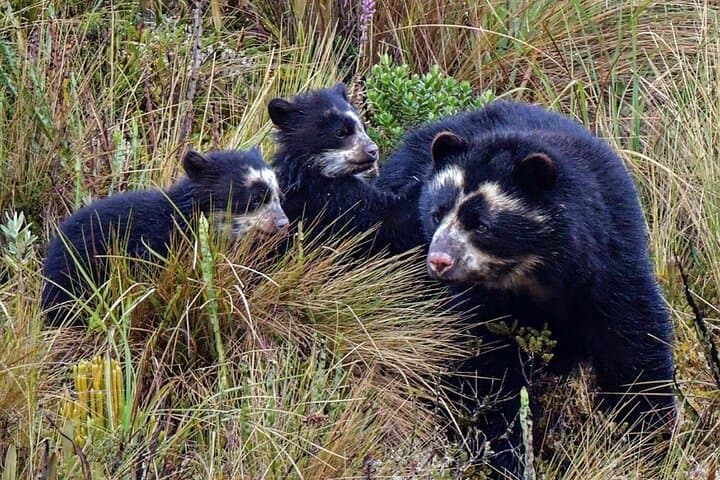
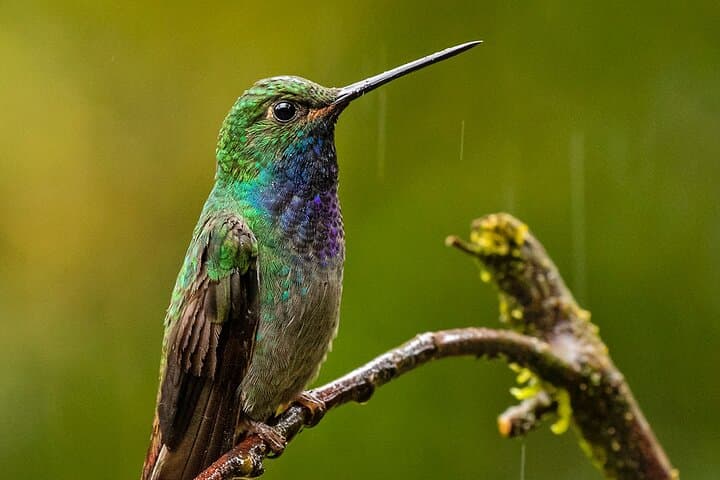
Wildlife is the star. Guides place you at hummingbird feeders and forest edges where Green-backed Hillstars and Gorgeted Woodstars flash like living jewels. Rangers and guides also know the paramo's fruiting spots where spectacled (Andean) bears forage; sightings are rare but possible and always respectful.
Practical guidance: this is a full, guided day (8–10 hours) with short, uneven trails and roadside wildlife blinds—expect variable footing, mud after rain, and rapid weather shifts. Bring layered, waterproof clothing, sturdy trail shoes, and a long lens if you want photos; keep noise low and follow guide instructions to increase viewing chances. Lunch and purified water are included, and private transfers are typical. The trip rewards patience: each altitude band reveals a different piece of the Andes-to-Amazon story.
moderate.
8–10 hours.
Moderate fitness: able to walk short uneven trails and tolerate long vehicle transfers.
The tour is a full-day excursion (about 8–10 hours) with a typical pickup around 7:00 AM from Quito and returns late afternoon.
Sightings are possible but not guaranteed; guides know feeding sites and seasonal patterns that increase chances, but bears remain wild and unpredictable.
Children with moderate fitness can join, but the tour includes uneven short walks and vehicle transfers; travelers with significant mobility limitations should consult the operator in advance.
Lunch, purified water, guide services, and private transportation are usually included; park admissions and personal gear are not always covered—confirm with the operator.
The Quijos Valley has long been a biogeographic and cultural corridor linking highland Andean communities with Amazonian lowlands, shaping trade, travel, and biodiversity patterns.
Local reserves and guides emphasize non-invasive viewing, trail stewardship, and community-based conservation to protect migratory corridors and fragile paramo ecosystems.
Neotropical Nature and Birding Trips operates guided outdoor trips and adventures with an emphasis on safety, stewardship, and memorable experiences.
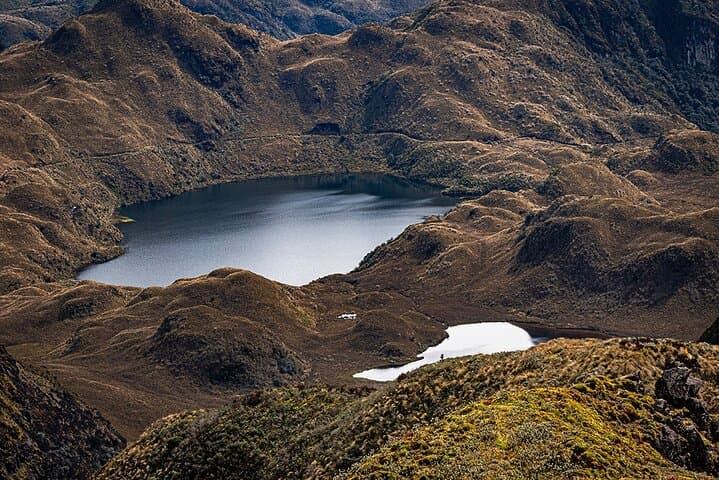
A thin morning mist lifts off the valley as your minivan cuts east from Quito, the Andes loosening into steep, green foothills. High above, paramo grasslands roll toward the Antisana massif; below, rivers dare you with the first notes of the Amazon. The day moves from tundra-like passes to dense cloud forest as altitude falls and life thickens.
A thin morning mist lifts off the valley as your minivan cuts east from Quito, the Andes loosening into steep, green foothills. High above, paramo grasslands roll toward the Antisana massif; below, rivers dare you with the first notes of the Amazon. The day moves from tundra-like passes to dense cloud forest as altitude falls and life thickens.
Geology here is alive: young volcanic peaks and volcanic ash soils feed quick-draining slopes that funnel water into the Quijos watershed, the Amazon’s highland doorway. Culturally the valley has been a corridor—Indigenous and mestizo communities have long managed these slopes and rivers, and modern conservation efforts lean on that local knowledge to protect habitat.
Wildlife is the star. Guides place you at hummingbird feeders and forest edges where Green-backed Hillstars and Gorgeted Woodstars flash like living jewels. Rangers and guides also know the paramo's fruiting spots where spectacled (Andean) bears forage; sightings are rare but possible and always respectful.
Practical guidance: this is a full, guided day (8–10 hours) with short, uneven trails and roadside wildlife blinds—expect variable footing, mud after rain, and rapid weather shifts. Bring layered, waterproof clothing, sturdy trail shoes, and a long lens if you want photos; keep noise low and follow guide instructions to increase viewing chances. Lunch and purified water are included, and private transfers are typical. The trip rewards patience: each altitude band reveals a different piece of the Andes-to-Amazon story.