THE ADVENTURE COLLECTIVE® · Independent discovery and booking for outdoor travel

Four days on Rapa Nui deliver close encounters with moai, volcanic quarries and coastal ceremonial sites. This compact itinerary balances guided archaeology, short coastal walks and time to absorb island culture.
Four days on Rapa Nui deliver close encounters with moai, volcanic quarries and coastal ceremonial sites. This compact itinerary balances guided archaeology, short coastal walks and time to absorb island culture.
You step off the small aircraft and the Pacific pushes a dry, salty breath across the runway — the island greets you with low grasslands, crescent bays, and the silhouettes of stone giants standing against the sky. In Hanga Roa the air carries conversations in Spanish and whispers of old chants; this tour threads those voices into a compact, four-day route that moves from quarry to ceremonial village and to the palms of Anakena Beach.
Verified experiences and guided adventures in the surrounding area.
Operated by Signature Tours · Hanga Roa, Valparaíso Region
You step off the small aircraft and the Pacific pushes a dry, salty breath across the runway — the island greets you with low grasslands, crescent bays, and the silhouettes of stone giants standing against the sky. In Hanga Roa the air carries conversations in Spanish and whispers of old chants; this tour threads those voices into a compact, four-day route that moves from quarry to ceremonial village and to the palms of Anakena Beach.
Geology here is blunt and honest: volcanic tuff carved in the slopes of Rano Raraku produced the Moai, while the caldera of Rano Kau holds a freshwater basin that once shaped settlement patterns. The human story is visible in platforms (ahu), toppled and restored statues (moai), petroglyphs and the ceremonial village of Orongo, where birdman motifs mark a later cultural layer.
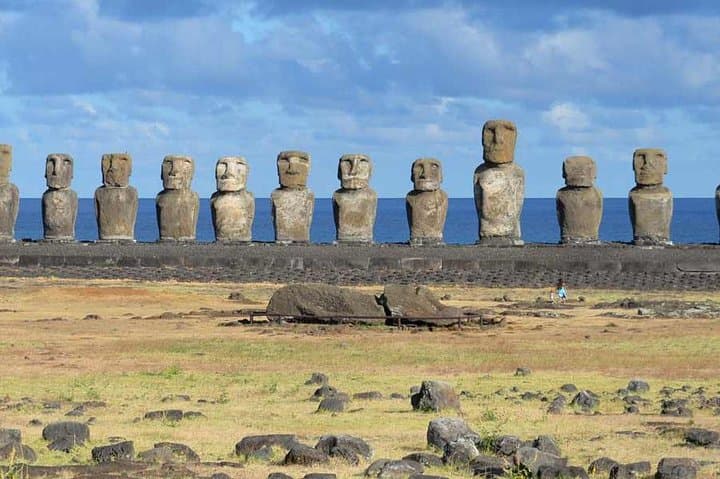
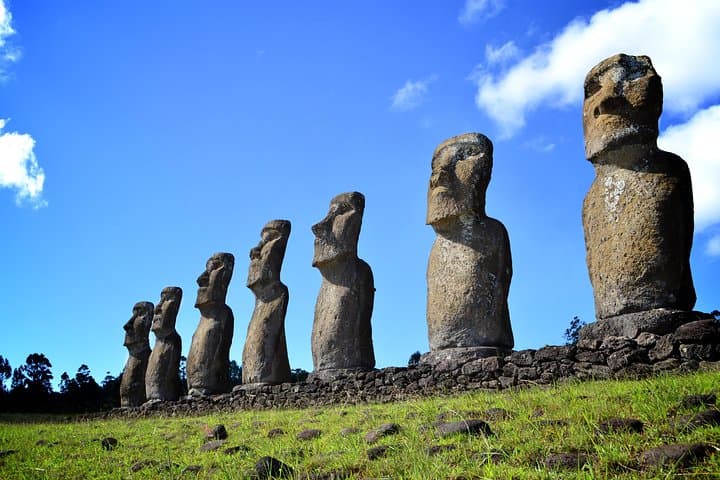
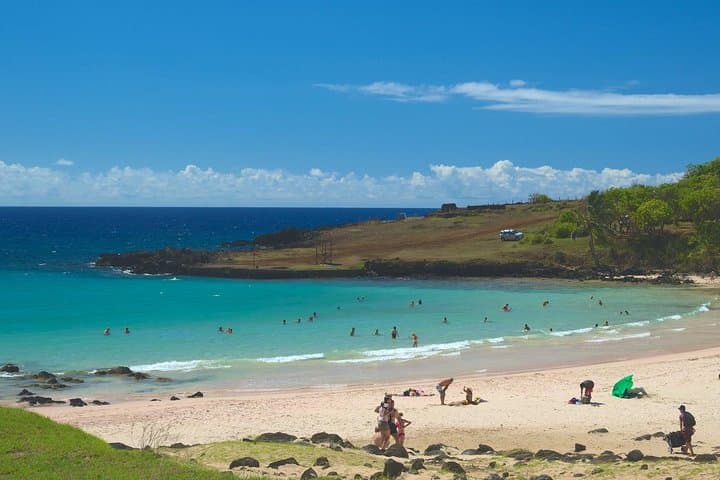
Expect close-up archaeology, short walks on uneven volcanic rock, coastal bluffs with wind that seems to dare you closer to the lip, and quieter moments on sandy Anakena. Guides typically cover Tahai, Ahu Tongariki, Rano Raraku, Orongo, Ahu Akivi and Puna Pau, with transfers from Hanga Roa and museum or park fees usually included.
Practical edge: daylight is strong and can be gusty — layer sun protection with a wind shell, carry water and sturdy footwear for gravel and uneven surfaces. Most visits are low-impact but involve stairs, short climbs and exposed coastal trails; plan for early starts to avoid afternoon winds and to catch the warm, low light that flatters the moai. This itinerary is best for travelers who want cultural depth tied to manageable walking and lots of open-air archaeology.
easy.
4 days.
Suitable for travelers with basic mobility; involves short hikes, stair climbs and standing periods but no sustained strenuous effort.
Entrance to Rapa Nui National Park is required for many archaeological sites and is typically included with organized tours; keep your ticket with you.
Yes—this itinerary is generally suitable for families and older travelers with basic mobility, though some short climbs and uneven ground are involved.
Small-group excursions often provide bilingual guides (Spanish/English); confirm language availability when booking.
Easter Island is very remote with limited flights from Santiago; plan international connections carefully and allow extra buffer time for travel.
Rapa Nui's monumental moai and ahu reflect centuries of complex social and ritual life; many sites were reshaped through colonial contact and later conservation work.
Visitor pressure and limited freshwater resources make adherence to marked trails and waste-free practices essential; support local guides and community-run museums.
Signature Tours operates guided outdoor trips and adventures with an emphasis on safety, stewardship, and memorable experiences.
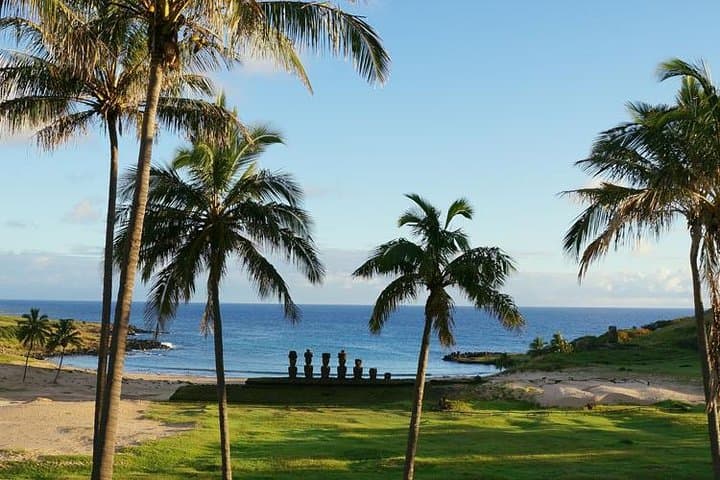
You step off the small aircraft and the Pacific pushes a dry, salty breath across the runway — the island greets you with low grasslands, crescent bays, and the silhouettes of stone giants standing against the sky. In Hanga Roa the air carries conversations in Spanish and whispers of old chants; this tour threads those voices into a compact, four-day route that moves from quarry to ceremonial village and to the palms of Anakena Beach.
You step off the small aircraft and the Pacific pushes a dry, salty breath across the runway — the island greets you with low grasslands, crescent bays, and the silhouettes of stone giants standing against the sky. In Hanga Roa the air carries conversations in Spanish and whispers of old chants; this tour threads those voices into a compact, four-day route that moves from quarry to ceremonial village and to the palms of Anakena Beach.
Geology here is blunt and honest: volcanic tuff carved in the slopes of Rano Raraku produced the Moai, while the caldera of Rano Kau holds a freshwater basin that once shaped settlement patterns. The human story is visible in platforms (ahu), toppled and restored statues (moai), petroglyphs and the ceremonial village of Orongo, where birdman motifs mark a later cultural layer.
Expect close-up archaeology, short walks on uneven volcanic rock, coastal bluffs with wind that seems to dare you closer to the lip, and quieter moments on sandy Anakena. Guides typically cover Tahai, Ahu Tongariki, Rano Raraku, Orongo, Ahu Akivi and Puna Pau, with transfers from Hanga Roa and museum or park fees usually included.
Practical edge: daylight is strong and can be gusty — layer sun protection with a wind shell, carry water and sturdy footwear for gravel and uneven surfaces. Most visits are low-impact but involve stairs, short climbs and exposed coastal trails; plan for early starts to avoid afternoon winds and to catch the warm, low light that flatters the moai. This itinerary is best for travelers who want cultural depth tied to manageable walking and lots of open-air archaeology.