THE ADVENTURE COLLECTIVE® · Independent discovery and booking for outdoor travel

Spend a day along England’s World Heritage Jurassic Coast visiting the iconic Durdle Door arch, fossil-rich Lulworth Cove and seaside Bournemouth. This private full-day tour combines cliff-top walks, harbour views and accessible beach stops for photographers and nature lovers.
Spend a day along England’s World Heritage Jurassic Coast visiting the iconic Durdle Door arch, fossil-rich Lulworth Cove and seaside Bournemouth. This private full-day tour combines cliff-top walks, harbour views and accessible beach stops for photographers and nature lovers.
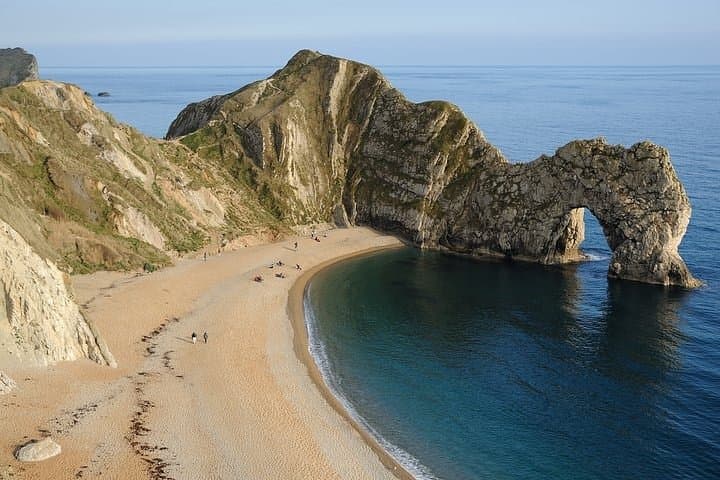
A brisk Atlantic wind carries salt and stone as the private vehicle eases onto the coastal lanes, dropping you at a chalk cliff that looks out over the English Channel. From the cliff-top path the Durdle Door arch juts into the sea — a pale, calcareous throat punched through banded strata — while below, pebbled beaches and fossil-strewn coves frame the shore.
Verified experiences and guided adventures in the surrounding area.
Operated by Londoner · West Lulworth, Dorset
A brisk Atlantic wind carries salt and stone as the private vehicle eases onto the coastal lanes, dropping you at a chalk cliff that looks out over the English Channel. From the cliff-top path the Durdle Door arch juts into the sea — a pale, calcareous throat punched through banded strata — while below, pebbled beaches and fossil-strewn coves frame the shore.
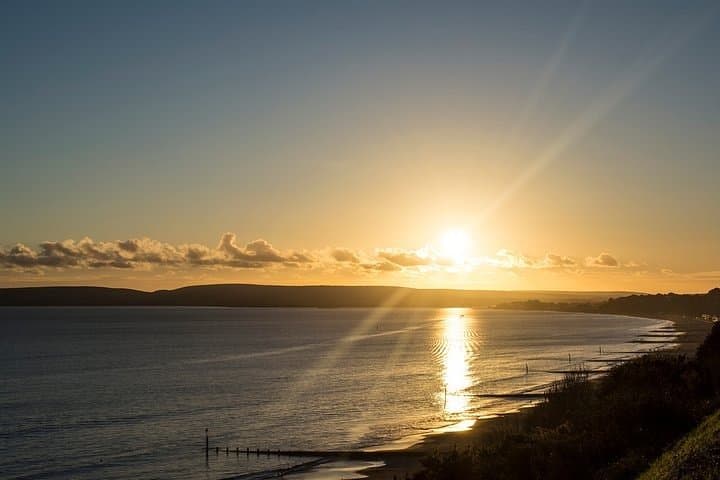
This coastline is part of the Jurassic Coast World Heritage Site: layers of Triassic, Jurassic and Cretaceous rock exposed by millennia of uplift and erosion. The arch itself formed where harder Portland limestone resisted wave action while softer rocks were worn away. Nearby Bournemouth developed as a Victorian health resort in the 19th century and now offers broad sandy beaches, Gothic spires, and a compact town center for post-hike meals.
Expect cliff-top walking with exposed viewpoints, short beach access at Lulworth Cove, and a harbour-side pause in Weymouth. The route offers geology as spectacle, abundant seabirds, and the occasional seal sighting in the surf. Guides typically allow time for photography and short walks rather than extended scrambling.
Practical notes: wear sturdy walking shoes with grip for loose chalk and flint, bring windproof waterproof layers and at least 1–2 liters of water, and check tide times if you plan to descend to coves. Morning departures get calmer seas and softer light for photos; avoid the cliff edge after heavy rain. This private full-day option suits travelers seeking accessible coastal scenery, geology, and seaside towns in a single, manageable outing.
moderate.
8 hours.
Moderate fitness for cliff-top walking, short beach descents and standing for photos; not technical but some uneven terrain.
The tour includes short cliff-top walks (10–30 minutes each) and optional beach descents; total on-foot time is moderate and not technical.
Yes — trails are generally accessible but expect uneven ground; the operator notes stroller and wheelchair accessibility for transport but some sites have steps or slopes.
Fossil collecting is restricted in many parts of the Jurassic Coast; remove only loose, fallen fragments where permitted and follow local conservation rules.
Light layers, sun protection and a windproof layer for exposed headlands; strong sun can be deceptive with sea breezes.
The Jurassic Coast records 185 million years of Earth history; Durdle Door’s arch is a product of differential erosion in layers tilted by ancient tectonic forces.
This stretch is sensitive to erosion and visitor pressure — stick to paths, avoid cliff edges and follow local rules on fossil collecting to protect the site.
Londoner operates guided outdoor trips and adventures with an emphasis on safety, stewardship, and memorable experiences.
A brisk Atlantic wind carries salt and stone as the private vehicle eases onto the coastal lanes, dropping you at a chalk cliff that looks out over the English Channel. From the cliff-top path the Durdle Door arch juts into the sea — a pale, calcareous throat punched through banded strata — while below, pebbled beaches and fossil-strewn coves frame the shore.
A brisk Atlantic wind carries salt and stone as the private vehicle eases onto the coastal lanes, dropping you at a chalk cliff that looks out over the English Channel. From the cliff-top path the Durdle Door arch juts into the sea — a pale, calcareous throat punched through banded strata — while below, pebbled beaches and fossil-strewn coves frame the shore.
This coastline is part of the Jurassic Coast World Heritage Site: layers of Triassic, Jurassic and Cretaceous rock exposed by millennia of uplift and erosion. The arch itself formed where harder Portland limestone resisted wave action while softer rocks were worn away. Nearby Bournemouth developed as a Victorian health resort in the 19th century and now offers broad sandy beaches, Gothic spires, and a compact town center for post-hike meals.
Expect cliff-top walking with exposed viewpoints, short beach access at Lulworth Cove, and a harbour-side pause in Weymouth. The route offers geology as spectacle, abundant seabirds, and the occasional seal sighting in the surf. Guides typically allow time for photography and short walks rather than extended scrambling.
Practical notes: wear sturdy walking shoes with grip for loose chalk and flint, bring windproof waterproof layers and at least 1–2 liters of water, and check tide times if you plan to descend to coves. Morning departures get calmer seas and softer light for photos; avoid the cliff edge after heavy rain. This private full-day option suits travelers seeking accessible coastal scenery, geology, and seaside towns in a single, manageable outing.