THE ADVENTURE COLLECTIVE® · Independent discovery and booking for outdoor travel

Step into Deira’s Gold Souk for a focused, sensory shopping tour of Dubai’s historic jewelry market. Learn how to spot hallmarks, navigate bargaining and handle export paperwork during this shared 3–4 hour excursion.
Step into Deira’s Gold Souk for a focused, sensory shopping tour of Dubai’s historic jewelry market. Learn how to spot hallmarks, navigate bargaining and handle export paperwork during this shared 3–4 hour excursion.
You arrive in Deira under the shaded steel walkways, where sunlight glints off strings of necklaces and the murmur of bargaining fills the aisles.
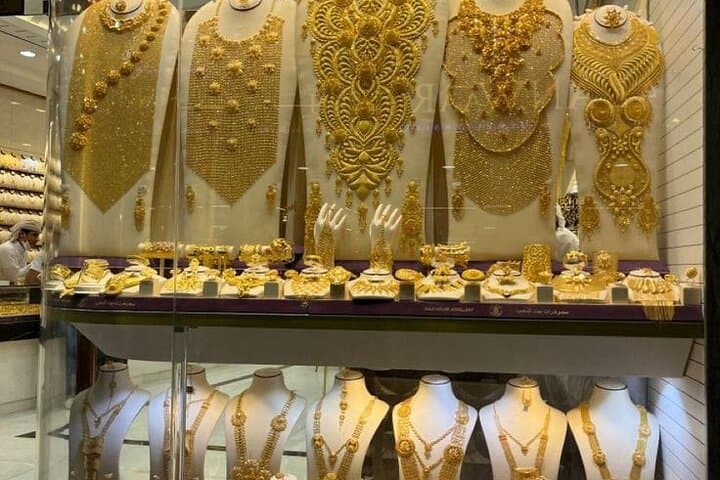
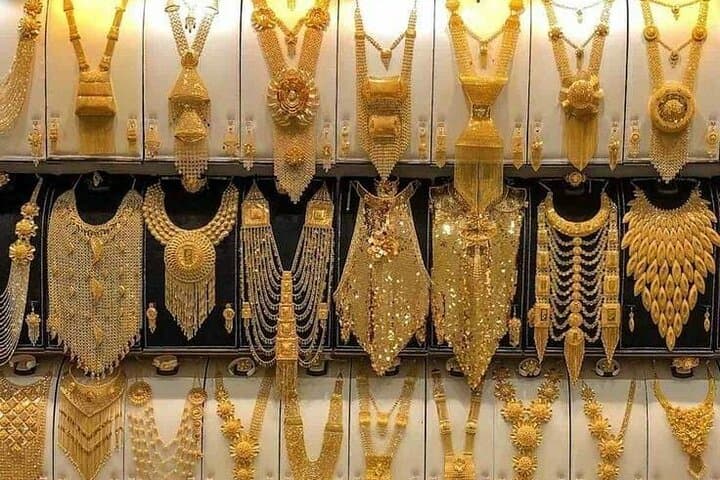
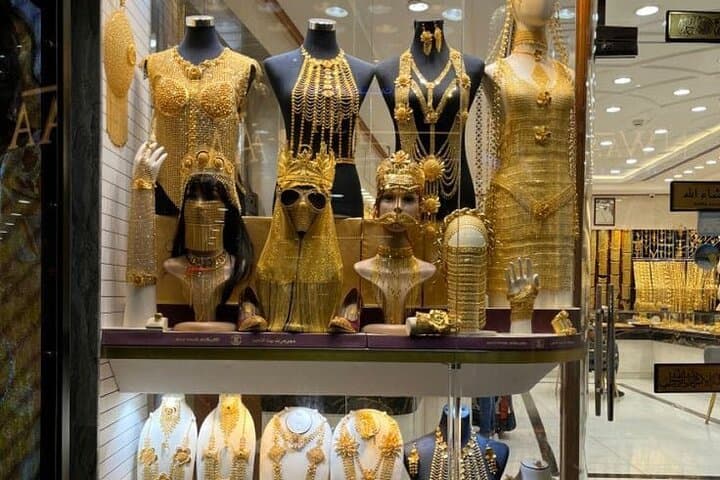
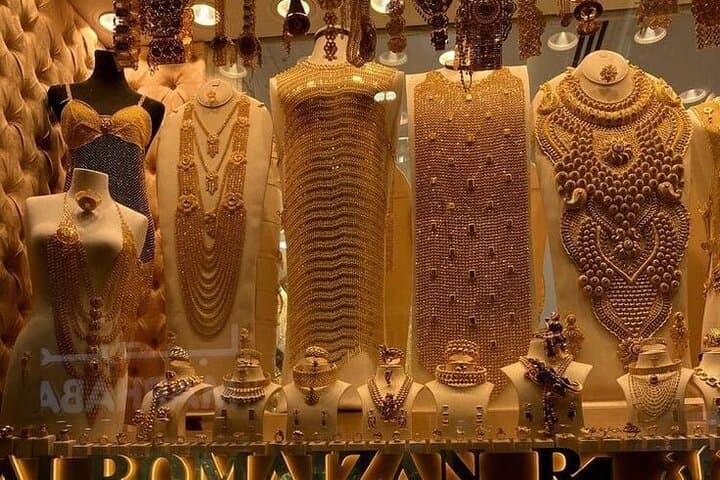
Shops jostle shoulder-to-shoulder, their windows stacked with gold chains, rings and colored gemstones that catch the light like small suns; vendors call out details in English, Arabic and Hindi, the creek’s breeze carrying the scent of incense and nearby spice stalls.
Verified experiences and guided adventures in the surrounding area.
Operated by Sham Al Marjan Tours LLC · Dubai, Dubai
You arrive in Deira under the shaded steel walkways, where sunlight glints off strings of necklaces and the murmur of bargaining fills the aisles.
Shops jostle shoulder-to-shoulder, their windows stacked with gold chains, rings and colored gemstones that catch the light like small suns; vendors call out details in English, Arabic and Hindi, the creek’s breeze carrying the scent of incense and nearby spice stalls.
The Gold Souk grew alongside Dubai’s pearling and trading economy; once a small riverside cluster of merchants, it expanded during the mid-20th-century oil boom into a dense marketplace with hundreds of retailers. Geologically the gold and gems here are global—refined metal and stones sourced from international markets—but the souk’s layout reflects Dubai’s mercantile culture: fast, transactional and relationship-driven.
Expect paved alleys, occasional crowds and mostly flat walking; much of the experience is negotiation more than hiking. Guides explain karat markings, hallmark stamps and local export paperwork; many shops accept card payments but cash speeds transactions and may yield better prices.
Practical notes: go in the morning to avoid peak heat, carry ID for large purchases, and keep receipts and export forms if you plan to leave the UAE with valuables. If you’re buying, ask to see a certificate of authenticity and compare prices across several stalls.
The Gold Souk is less about a single sightline and more about motion—hands weighing coins, voices testing offers, and the slow arithmetic of a deal. It’s a compact, urban adventure that rewards patience as much as curiosity.
easy.
3–4 hours.
Minimal fitness required; mostly flat walking on paved surfaces for extended periods
The listed duration is about 3–4 hours, which covers guided time in the Gold Souk with pickup and drop-off included for most bookings.
Most reputable shops accept cards, but cash (dirhams) is often preferred for quicker deals and negotiating better prices.
Many walkways are paved and accessible, and this tour notes wheelchair-accessible transportation and surfaces, but some stalls and aisles can be narrow—check ahead for specific assistance needs.
Yes—high-value purchases may require export documentation and customs declarations; keep receipts and ask the seller for any certificates and VAT invoices.
The Gold Souk developed as Deira’s trading cluster as Dubai shifted from pearling to international trade in the 20th century, becoming an important retail hub for jewelry and precious stones.
Buyers should ask about sourcing and certifications; large purchases have export implications and responsible trade helps reduce pressure on illicit supply chains.
Sham Al Marjan Tours LLC operates guided outdoor trips and adventures with an emphasis on safety, stewardship, and memorable experiences.
You arrive in Deira under the shaded steel walkways, where sunlight glints off strings of necklaces and the murmur of bargaining fills the aisles.
Shops jostle shoulder-to-shoulder, their windows stacked with gold chains, rings and colored gemstones that catch the light like small suns; vendors call out details in English, Arabic and Hindi, the creek’s breeze carrying the scent of incense and nearby spice stalls.
You arrive in Deira under the shaded steel walkways, where sunlight glints off strings of necklaces and the murmur of bargaining fills the aisles.
Shops jostle shoulder-to-shoulder, their windows stacked with gold chains, rings and colored gemstones that catch the light like small suns; vendors call out details in English, Arabic and Hindi, the creek’s breeze carrying the scent of incense and nearby spice stalls.
The Gold Souk grew alongside Dubai’s pearling and trading economy; once a small riverside cluster of merchants, it expanded during the mid-20th-century oil boom into a dense marketplace with hundreds of retailers. Geologically the gold and gems here are global—refined metal and stones sourced from international markets—but the souk’s layout reflects Dubai’s mercantile culture: fast, transactional and relationship-driven.
Expect paved alleys, occasional crowds and mostly flat walking; much of the experience is negotiation more than hiking. Guides explain karat markings, hallmark stamps and local export paperwork; many shops accept card payments but cash speeds transactions and may yield better prices.
Practical notes: go in the morning to avoid peak heat, carry ID for large purchases, and keep receipts and export forms if you plan to leave the UAE with valuables. If you’re buying, ask to see a certificate of authenticity and compare prices across several stalls.
The Gold Souk is less about a single sightline and more about motion—hands weighing coins, voices testing offers, and the slow arithmetic of a deal. It’s a compact, urban adventure that rewards patience as much as curiosity.