THE ADVENTURE COLLECTIVE® · Independent discovery and booking for outdoor travel

Wander the glittering lanes of Deira’s Gold Souk on a private 4‑hour tour—hear the clink of chains, learn how authenticity is tested, and gain practical tips for shopping smart in Dubai’s historic market.
Wander the glittering lanes of Deira’s Gold Souk on a private 4‑hour tour—hear the clink of chains, learn how authenticity is tested, and gain practical tips for shopping smart in Dubai’s historic market.
The alley narrows, light bounces off stacked cases and delicate chains, and voices haggle in a cadence as old as the creek itself. Walks here feel cinematic: gold catches every tilt of the head, while the nearby Dubai Creek pushes slow tides past wooden abras, reminding you this trading quarter grew from waterborne routes.
Verified experiences and guided adventures in the surrounding area.
Operated by Sham Al Marjan Tours LLC · Dubai, Dubai
The alley narrows, light bounces off stacked cases and delicate chains, and voices haggle in a cadence as old as the creek itself. Walks here feel cinematic: gold catches every tilt of the head, while the nearby Dubai Creek pushes slow tides past wooden abras, reminding you this trading quarter grew from waterborne routes.
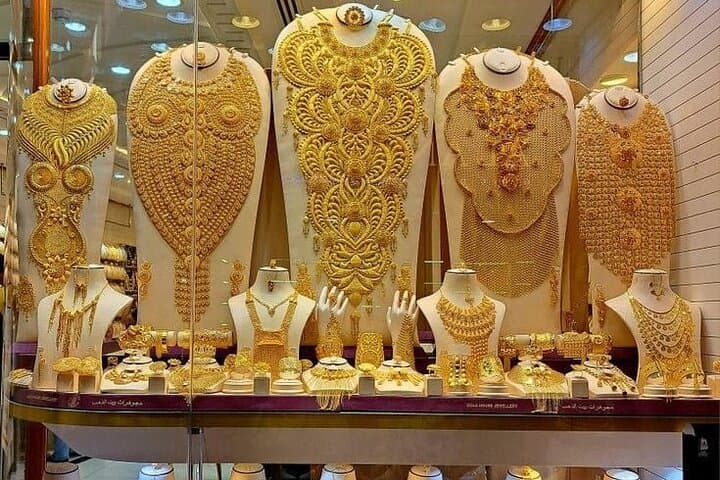
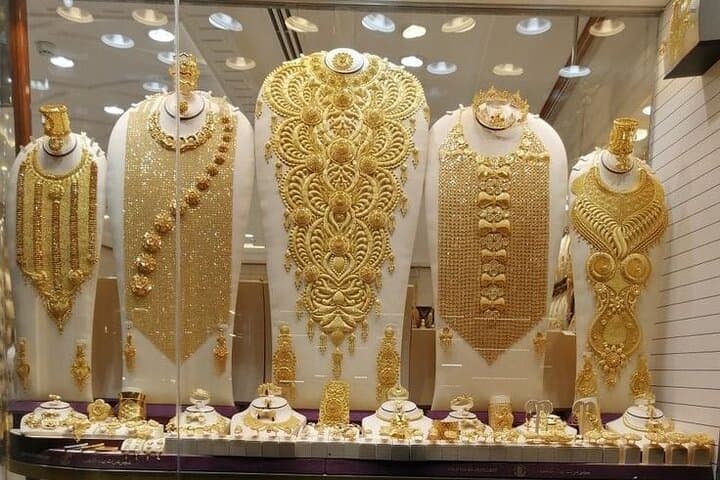
Deira’s Gold Souk sits on Al Dhagaya, where over 300–380 shops cluster in a grid of narrow streets. Historically, Dubai’s position on the Gulf and its trading links with India, Persia and East Africa made it a natural hub for precious metals; the souk expanded through the 20th century as modern retail met traditional craftsmanship. The geology of the region—no local gold deposits—underscores that most pieces arrived through trade, refined and crafted locally into recognizable Emirati styles: heavy 22k chains, filigree pendants and elaborate wedding sets.
Culturally, the souk is a performance: testing, stamping and receipts are part of the purchase ritual. Expect to see merchants demonstrate purity, invite you behind counters to view inventory, and offer competitive pricing if you negotiate. Many vendors accept card, but cash still helps for quick haggles.
Practical guidance: this private, air‑conditioned transfer tour runs about four hours and includes bottled water—comfortable walking shoes and a secure bag help you move freely. Bring ID if you plan large purchases; ask for hallmarks and invoices for customs and VAT records. Visit in the cooler morning or early evening to avoid peak heat and busiest crowds. Respect shop practices and inspect items closely before payment; the souk rewards patience and a steady eye.
easy.
3–4 hours.
Light walking on paved, sometimes narrow alleys; suitable for most fitness levels.
Yes—vendors expect negotiation. Start lower than your target price and be polite; many sales are reached through rapid back-and-forth.
Ask for a full invoice—UAE VAT (5%) applies and reputable shops will itemize it; for export or high-value purchases, invoices help with customs.
Duplicate key omitted
Major shops accept credit cards and cash (AED); for large purchases cards are common, but having some cash can help in small negotiations.
The Gold Souk developed as Deira’s trading quarter through the mid‑20th century, growing from regional pearl- and spice-trade routes into a global jewelry marketplace.
High foot traffic and waste are managed by municipal cleaning and regulations; visitors can reduce impact by avoiding single-use plastics and respecting vendor displays.
Sham Al Marjan Tours LLC operates guided outdoor trips and adventures with an emphasis on safety, stewardship, and memorable experiences.
The alley narrows, light bounces off stacked cases and delicate chains, and voices haggle in a cadence as old as the creek itself. Walks here feel cinematic: gold catches every tilt of the head, while the nearby Dubai Creek pushes slow tides past wooden abras, reminding you this trading quarter grew from waterborne routes.
The alley narrows, light bounces off stacked cases and delicate chains, and voices haggle in a cadence as old as the creek itself. Walks here feel cinematic: gold catches every tilt of the head, while the nearby Dubai Creek pushes slow tides past wooden abras, reminding you this trading quarter grew from waterborne routes.
Deira’s Gold Souk sits on Al Dhagaya, where over 300–380 shops cluster in a grid of narrow streets. Historically, Dubai’s position on the Gulf and its trading links with India, Persia and East Africa made it a natural hub for precious metals; the souk expanded through the 20th century as modern retail met traditional craftsmanship. The geology of the region—no local gold deposits—underscores that most pieces arrived through trade, refined and crafted locally into recognizable Emirati styles: heavy 22k chains, filigree pendants and elaborate wedding sets.
Culturally, the souk is a performance: testing, stamping and receipts are part of the purchase ritual. Expect to see merchants demonstrate purity, invite you behind counters to view inventory, and offer competitive pricing if you negotiate. Many vendors accept card, but cash still helps for quick haggles.
Practical guidance: this private, air‑conditioned transfer tour runs about four hours and includes bottled water—comfortable walking shoes and a secure bag help you move freely. Bring ID if you plan large purchases; ask for hallmarks and invoices for customs and VAT records. Visit in the cooler morning or early evening to avoid peak heat and busiest crowds. Respect shop practices and inspect items closely before payment; the souk rewards patience and a steady eye.