THE ADVENTURE COLLECTIVE® · Independent discovery and booking for outdoor travel

Travel off the beaten path from Datong to two rammed-earth sections of the Great Wall—Deshengbu and Zhenchuankou—on a private day tour with an English guide and village lunch. Learn military history, rural life, and why these earthen walls endure while walking short, uneven sections of countryside ramparts.
Travel off the beaten path from Datong to two rammed-earth sections of the Great Wall—Deshengbu and Zhenchuankou—on a private day tour with an English guide and village lunch. Learn military history, rural life, and why these earthen walls endure while walking short, uneven sections of countryside ramparts.
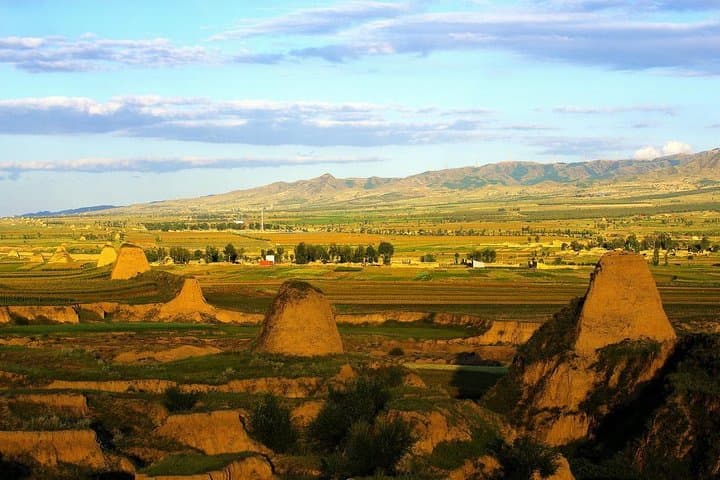
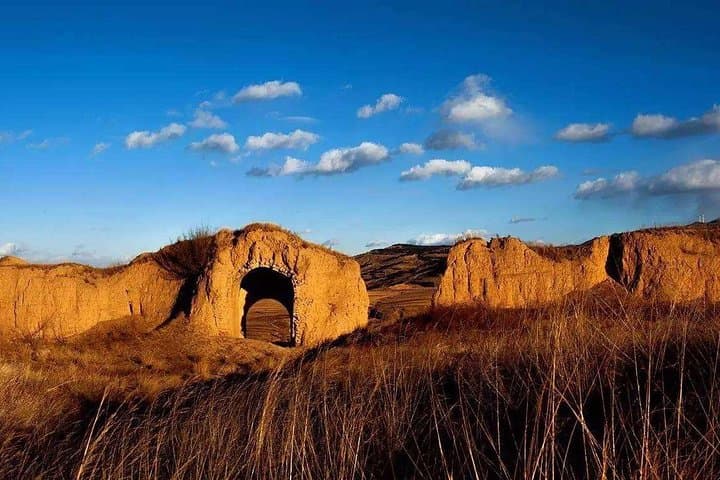
A winded track of tamped earth rises out of golden fields as the private vehicle pulls away from Datong—stone towers and ruined battlements puncture the skyline and the guide’s voice maps centuries across the car window. The day tour visits two quieter sections of the Great Wall: Deshengbu, where fortress remains open onto trading plains, and Zhenchuankou, an inward-facing rampart that threads into working farmland.
Verified experiences and guided adventures in the surrounding area.
Operated by Unique Beijing Tours · Datong, Shanxi
A winded track of tamped earth rises out of golden fields as the private vehicle pulls away from Datong—stone towers and ruined battlements puncture the skyline and the guide’s voice maps centuries across the car window. The day tour visits two quieter sections of the Great Wall: Deshengbu, where fortress remains open onto trading plains, and Zhenchuankou, an inward-facing rampart that threads into working farmland.
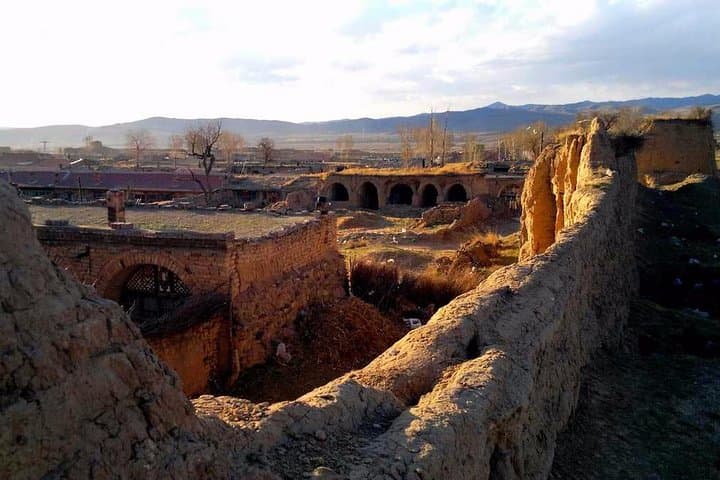
Datong’s Great Wall fragments record shifting frontiers from the Spring and Autumn era through the Ming Dynasty; here, walls are rammed earth rather than the fired brick of Beijing, their geology revealing local loess and compacted sediment rather than masonry. Villages that cling to the base of the wall still run markets and small farms—culture and daily life are visible between watchtowers. Guides explain military logistics and local customs while pointing out construction techniques that kept these earthen walls standing for half a millennium.
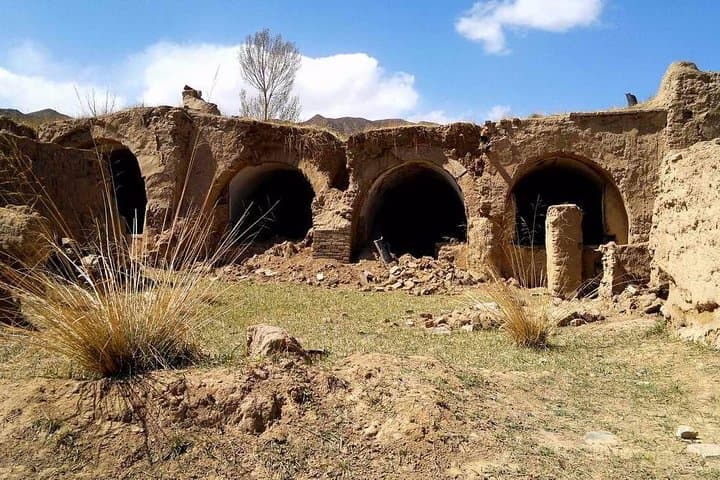
Expect easy, short hikes across uneven, sometimes crumbly sections; the tour includes hotel or railway pickup, an English-speaking guide, entrance fees, and a village lunch. Bring layered clothing, sturdy footwear, and sun protection—the countryside can be windy and exposed. Respect fragile ruins: stick to established paths, avoid standing on weakened parapets, and ask before photographing inside homes. Timing a visit in spring or autumn rewards cooler temperatures and clearer air; summer brings heat, winter brings wind and shorter daylight. With planning, this private day trip offers a clear, tactile lesson in frontier history and the living landscapes that still surround China’s quieter reaches of the Great Wall.
easy.
6–8 hours.
Suitable for most fitness levels; expect short, easy hikes of 20–60 minutes on uneven ground and some standing.
Yes—hotel or Datong Railway Station pickup and drop-off are included in the tour price.
The tour is classified as easy: short, uneven walks on earthen wall sections; no technical climbing is required.
A village lunch is included, typically local dishes; notify the operator of dietary restrictions when booking.
Yes—infants and small children can join; strollers may be used in villages but sections of the wall require walking and may not be stroller-accessible.
Datong was a strategic frontier city; many local wall remnants are earthen rammed structures with layers dating back to the Ming Dynasty and earlier frontier defenses.
Earthen sections are fragile—stay on designated paths and avoid stepping on or dislodging compacted layers; supporting local guides helps fund conservation-minded tourism.
Unique Beijing Tours operates guided outdoor trips and adventures with an emphasis on safety, stewardship, and memorable experiences.
A winded track of tamped earth rises out of golden fields as the private vehicle pulls away from Datong—stone towers and ruined battlements puncture the skyline and the guide’s voice maps centuries across the car window. The day tour visits two quieter sections of the Great Wall: Deshengbu, where fortress remains open onto trading plains, and Zhenchuankou, an inward-facing rampart that threads into working farmland.
A winded track of tamped earth rises out of golden fields as the private vehicle pulls away from Datong—stone towers and ruined battlements puncture the skyline and the guide’s voice maps centuries across the car window. The day tour visits two quieter sections of the Great Wall: Deshengbu, where fortress remains open onto trading plains, and Zhenchuankou, an inward-facing rampart that threads into working farmland.
Datong’s Great Wall fragments record shifting frontiers from the Spring and Autumn era through the Ming Dynasty; here, walls are rammed earth rather than the fired brick of Beijing, their geology revealing local loess and compacted sediment rather than masonry. Villages that cling to the base of the wall still run markets and small farms—culture and daily life are visible between watchtowers. Guides explain military logistics and local customs while pointing out construction techniques that kept these earthen walls standing for half a millennium.
Expect easy, short hikes across uneven, sometimes crumbly sections; the tour includes hotel or railway pickup, an English-speaking guide, entrance fees, and a village lunch. Bring layered clothing, sturdy footwear, and sun protection—the countryside can be windy and exposed. Respect fragile ruins: stick to established paths, avoid standing on weakened parapets, and ask before photographing inside homes. Timing a visit in spring or autumn rewards cooler temperatures and clearer air; summer brings heat, winter brings wind and shorter daylight. With planning, this private day trip offers a clear, tactile lesson in frontier history and the living landscapes that still surround China’s quieter reaches of the Great Wall.