THE ADVENTURE COLLECTIVE® · Independent discovery and booking for outdoor travel

A private full-day outing from Luxor to Abydos and Dendera lets travelers explore two richly decorated temple complexes at a measured pace. Perfect for history fans who want detailed wall art and quieter visits away from busier sites.
A private full-day outing from Luxor to Abydos and Dendera lets travelers explore two richly decorated temple complexes at a measured pace. Perfect for history fans who want detailed wall art and quieter visits away from busier sites.
Morning light carves the desert soft as the private vehicle eases out of Luxor and onto the roadway toward two of Upper Egypt’s quieter temple complexes. Travelers arrive to cool stone corridors where bas-reliefs curl like stories along the walls and painted gods still hold the smudged color of a distant audience.
Verified experiences and guided adventures in the surrounding area.
Operated by Special trips · Luxor, Luxor Governorate
Morning light carves the desert soft as the private vehicle eases out of Luxor and onto the roadway toward two of Upper Egypt’s quieter temple complexes. Travelers arrive to cool stone corridors where bas-reliefs curl like stories along the walls and painted gods still hold the smudged color of a distant audience.
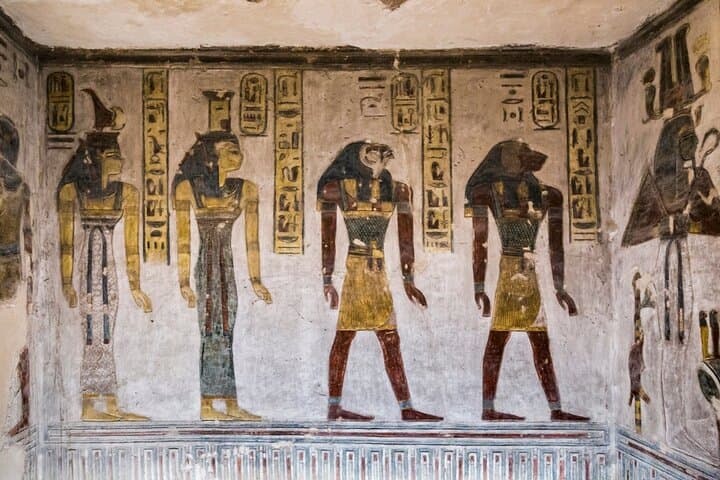
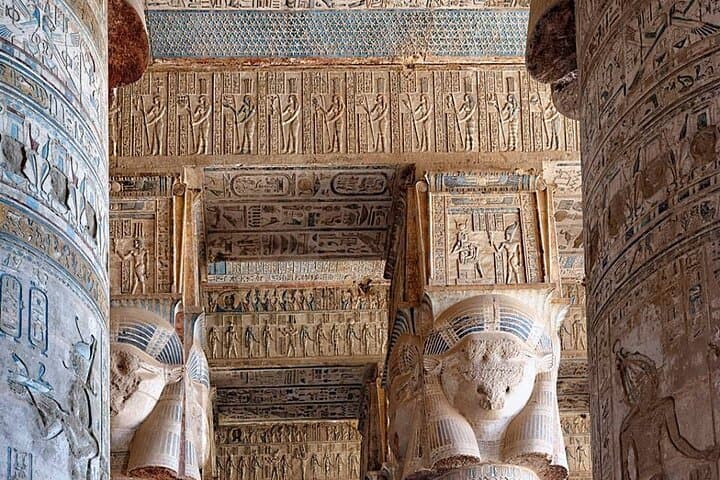
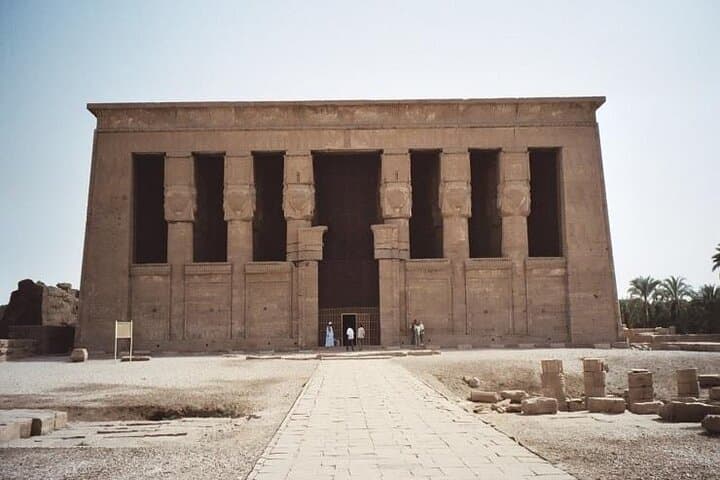
Abydos is first: a pilgrimage locus for Osiris and the burial cult of early pharaohs. The temple of Seti I presents some of the best-preserved bas-reliefs in Egypt — figures in profile, kings cataloged like names in a ledger of eternity. Dendera follows, dedicated to Hathor; here the ceiling panels, zodiac motifs and underground chapels show a different iconographic register and a lighter, almost theatrical decorative program.
Geology is simple and stark — limestone plateaus and Nile-fed alluvium — but the human imprint dominates: sandstone blocks hewn and set to frame sunlight, pigments surviving in sheltered niches. Local culture today mixes agriculture on the Nile floodplain with a living relationship to these monuments; guides often point out traces of Coptic and later reuse in temple precincts.
Practical note: this is a long, full-day outing (roughly 10–12 hours). Expect uneven stone steps, low light in inner chambers, and exposed courtyards. Bring sun protection and a refillable water bottle, wear sturdy walking shoes, and plan for early pickup from Luxor. Entrance fees are often paid on-site, so carry local currency. A private guide and vehicle make the itinerary flexible — useful for skipping crowds or lingering at a favorite frieze.
easy.
10–12 hours.
Suitable for travelers in average condition; involves several hours of standing and walking on uneven stone and brief climbs.
No — entrance fees are typically not included and are usually paid on-site; bring Egyptian pounds for admissions and any optional fees.
Abydos is about 135 km south of Luxor (roughly 1.5–2 hours by car); Dendera lies north of Luxor and is a shorter transfer — total driving time across the day depends on traffic and stops.
Yes — the tour is family-friendly and providers note stroller access and infant seats, but parents should be prepared for long days and uneven terrain within the temples.
Photography is generally allowed in most public areas but may be restricted in certain chambers; flash and touching of surfaces are discouraged to protect pigments.
Abydos became a major pilgrimage center for worship of Osiris and houses the mortuary temple of Seti I; Dendera’s complex preserves later Ptolemaic additions and a rare temple zodiac ceiling.
Both sites have fragile painted reliefs and fragile stonework; visitors should avoid touching surfaces and support guides who follow site-protection practices.
Special trips operates guided outdoor trips and adventures with an emphasis on safety, stewardship, and memorable experiences.
Morning light carves the desert soft as the private vehicle eases out of Luxor and onto the roadway toward two of Upper Egypt’s quieter temple complexes. Travelers arrive to cool stone corridors where bas-reliefs curl like stories along the walls and painted gods still hold the smudged color of a distant audience.
Morning light carves the desert soft as the private vehicle eases out of Luxor and onto the roadway toward two of Upper Egypt’s quieter temple complexes. Travelers arrive to cool stone corridors where bas-reliefs curl like stories along the walls and painted gods still hold the smudged color of a distant audience.
Abydos is first: a pilgrimage locus for Osiris and the burial cult of early pharaohs. The temple of Seti I presents some of the best-preserved bas-reliefs in Egypt — figures in profile, kings cataloged like names in a ledger of eternity. Dendera follows, dedicated to Hathor; here the ceiling panels, zodiac motifs and underground chapels show a different iconographic register and a lighter, almost theatrical decorative program.
Geology is simple and stark — limestone plateaus and Nile-fed alluvium — but the human imprint dominates: sandstone blocks hewn and set to frame sunlight, pigments surviving in sheltered niches. Local culture today mixes agriculture on the Nile floodplain with a living relationship to these monuments; guides often point out traces of Coptic and later reuse in temple precincts.
Practical note: this is a long, full-day outing (roughly 10–12 hours). Expect uneven stone steps, low light in inner chambers, and exposed courtyards. Bring sun protection and a refillable water bottle, wear sturdy walking shoes, and plan for early pickup from Luxor. Entrance fees are often paid on-site, so carry local currency. A private guide and vehicle make the itinerary flexible — useful for skipping crowds or lingering at a favorite frieze.