THE ADVENTURE COLLECTIVE® · Independent discovery and booking for outdoor travel

Walk Cusco’s ancient streets from Qoricancha’s flawless masonry to the towering stones of Saqsayhuamán, then finish with a hands-on craft workshop exploring Andean wool traditions. A practical, altitude-aware cultural walk of roughly five hours.
Walk Cusco’s ancient streets from Qoricancha’s flawless masonry to the towering stones of Saqsayhuamán, then finish with a hands-on craft workshop exploring Andean wool traditions. A practical, altitude-aware cultural walk of roughly five hours.
The city opens a page of stone and sky as you step out on the Plaza de Armas: cobbled streets breathe history, and the Andes lean in, their wind urging you toward the high terraces above town.
Verified experiences and guided adventures in the surrounding area.
Operated by Sumayaq Peru Travel · Cusco, Cusco
The city opens a page of stone and sky as you step out on the Plaza de Armas: cobbled streets breathe history, and the Andes lean in, their wind urging you toward the high terraces above town.
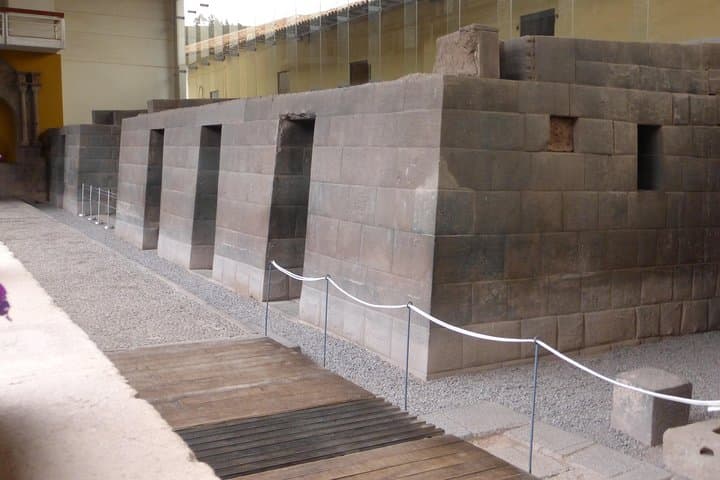
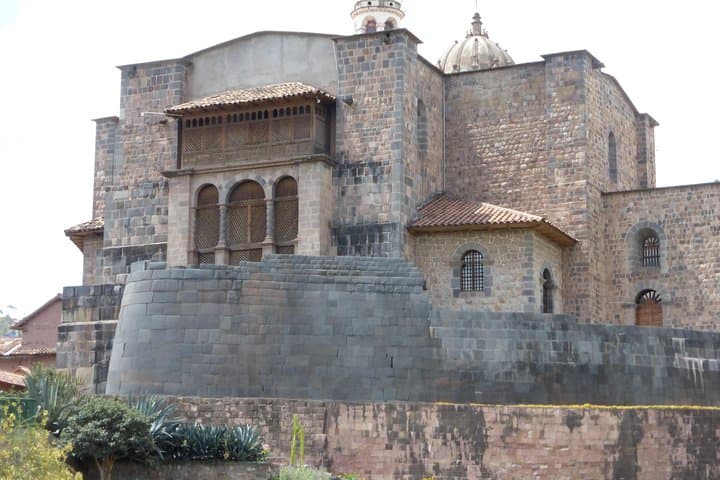
This 5‑hour walking tour threads through Cusco’s layered past. Begin at Qoricancha, the Temple of the Sun, where precision-cut stones still fit like puzzle pieces and light moves through trapezoidal windows. The Spanish cathedral follows—baroque woodwork and colonial altars imposed over indigenous designs—revealing the collision of two worldviews.
From the city center the route climbs toward Sacsayhuamán, massive polygonal stones forming ramparts and platforms once pulsing with Inca ceremonies; on the winter solstice the site still draws crowds for Inti Raymi. Nearby, Qenqo’s carved amphitheater and Tambomachay’s water channels showcase Inca engineering tuned to ritual and agriculture. The tour finishes in a craft workshop where you can examine alpaca and vicuña wools and learn weaving techniques passed down through generations.
Practical edge: Cusco sits at about 3,400 m (11,150 ft), so plan for slower pace and easy breathing. Expect uneven stone paths and short stair sections—comfortable shoes and layered clothing matter. Carry water, sunscreen, and small bills for museum fees or purchases. Guides typically speak English and Spanish and provide historical context but bring your curiosity: the city’s stones still tell stories if you listen.
easy.
5 hours.
Light-to-moderate walking fitness; able to manage uneven ground and short stair climbs at high altitude.
The tour is about 5 hours with moderate walking and several short climbs; the guide will set a steady pace suitable for most fitness levels but allow extra time for acclimatization.
Admissions to specific museums or sites are often not included—bring small local currency for ticket purchases if required.
Many historic sites have uneven stone surfaces and steps; full wheelchair accessibility is limited—contact the operator for specific accommodation options.
Certified guides typically speak English and Spanish; confirm language needs when booking to ensure an English-speaking guide is provided.
Cusco was the political and spiritual capital of the Inca Empire; Spanish colonial structures were often built atop Inca foundations, creating the layered urban fabric seen today.
Visitors should stick to designated paths, avoid climbing on archaeological walls, and support local craftspeople to channel tourism income into community stewardship.
Sumayaq Peru Travel operates guided outdoor trips and adventures with an emphasis on safety, stewardship, and memorable experiences.


The city opens a page of stone and sky as you step out on the Plaza de Armas: cobbled streets breathe history, and the Andes lean in, their wind urging you toward the high terraces above town.
The city opens a page of stone and sky as you step out on the Plaza de Armas: cobbled streets breathe history, and the Andes lean in, their wind urging you toward the high terraces above town.
This 5‑hour walking tour threads through Cusco’s layered past. Begin at Qoricancha, the Temple of the Sun, where precision-cut stones still fit like puzzle pieces and light moves through trapezoidal windows. The Spanish cathedral follows—baroque woodwork and colonial altars imposed over indigenous designs—revealing the collision of two worldviews.
From the city center the route climbs toward Sacsayhuamán, massive polygonal stones forming ramparts and platforms once pulsing with Inca ceremonies; on the winter solstice the site still draws crowds for Inti Raymi. Nearby, Qenqo’s carved amphitheater and Tambomachay’s water channels showcase Inca engineering tuned to ritual and agriculture. The tour finishes in a craft workshop where you can examine alpaca and vicuña wools and learn weaving techniques passed down through generations.
Practical edge: Cusco sits at about 3,400 m (11,150 ft), so plan for slower pace and easy breathing. Expect uneven stone paths and short stair sections—comfortable shoes and layered clothing matter. Carry water, sunscreen, and small bills for museum fees or purchases. Guides typically speak English and Spanish and provide historical context but bring your curiosity: the city’s stones still tell stories if you listen.