THE ADVENTURE COLLECTIVE® · Independent discovery and booking for outdoor travel

Spend a half-day exploring Cusco’s surrounding archaeological gems, from the massive, interlocking stones of Sacsayhuamán to the Sun Temple of Koricancha and the ornate Cusco Cathedral. This guided route blends geology, Inca engineering and colonial history with practical tips for high-altitude travel.
Spend a half-day exploring Cusco’s surrounding archaeological gems, from the massive, interlocking stones of Sacsayhuamán to the Sun Temple of Koricancha and the ornate Cusco Cathedral. This guided route blends geology, Inca engineering and colonial history with practical tips for high-altitude travel.
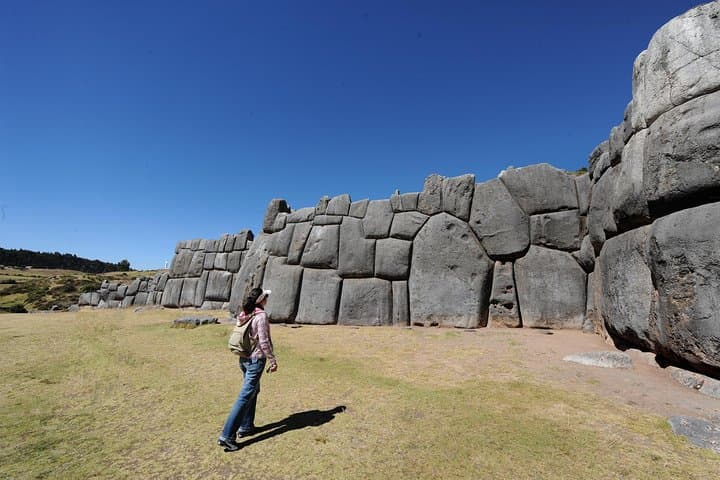
You step out of the coach as the city’s red-tiled roofs fall away and Sacsayhuamán rises above Cusco like a deliberate puzzle of stone. Wind tugs at your jacket and the slope opens to terraces and enormous, precisely-fitted blocks that hold centuries of weather and memory. Your guide points out the carved condor and puma motifs while the valley stretches below, a living map of the Inca capital.
Verified experiences and guided adventures in the surrounding area.
Operated by VIPAC Travel · Cusco, Cusco Region
You step out of the coach as the city’s red-tiled roofs fall away and Sacsayhuamán rises above Cusco like a deliberate puzzle of stone. Wind tugs at your jacket and the slope opens to terraces and enormous, precisely-fitted blocks that hold centuries of weather and memory. Your guide points out the carved condor and puma motifs while the valley stretches below, a living map of the Inca capital.
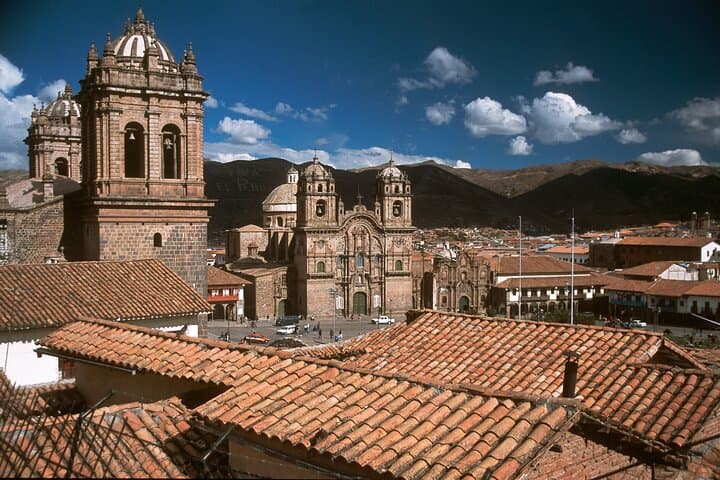
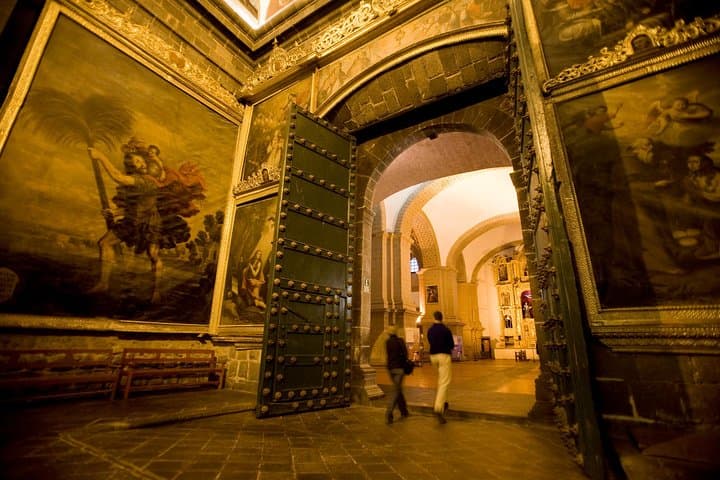
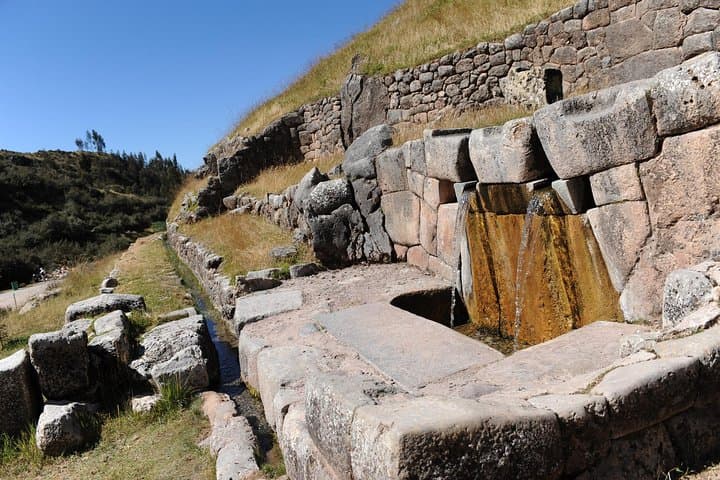
The route threads from the fortress to Qenqo’s carved rock amphitheater, the military outpost at Puca Pucara, and the flowing channels of Tambomachay — each site revealing a different use of stone, water and ceremony. Back in the city, Koricancha (Temple of the Sun) sits half-covered by the Santo Domingo convent, a visible seam of pre-Columbian ingenuity and colonial repurpose. Plaza de Armas and Cusco Cathedral finish the loop, where Baroque altarpieces coexist with local devotions.
Geology here is practical: massive andesite blocks quarried and hewn to interlock without mortar. Culture is tactile — stones were sacred, water was engineered, and plazas were stages for power. Practical notes: the tour lasts about 3–4 hours with short walks on uneven stone and some stair sections. Wear sturdy shoes, bring water, and allow time for thinner air at 3,400 m (11,150 ft). Tickets for Sacsayhuamán may be separate depending on your booking option. Expect bilingual guiding, a comfortable vehicle, and the chance to witness living Quechua culture in markets and streets near the cathedral.
easy.
3–4 hours.
Suitable for most fitness levels; expect short uphill walks and stair sections at high altitude.
Some booking options include entrance fees; verify your reservation. If not included, you can purchase the Boleto Turístico or pay at the site where available.
Yes — most bookings include hotel pickup and drop-off; confirm your pickup point when you book as some historic-center streets restrict vehicle access.
The tour is rated easy and suitable for many ages, but uneven stonework and stairs may be challenging for limited-mobility travelers.
Cusco sits around 3,400 m (11,150 ft). Hydrate, avoid strenuous activity before the tour, and consider coca tea or acclimatization time if you’re sensitive to altitude.
Sacsayhuamán was a ceremonial and military complex that overlooks the Inca capital; Koricancha was the most important sun temple before Spanish convents were built atop its walls.
Visitor flow is managed to protect fragile masonry and ceremonial spaces — stick to marked paths, avoid touching carved faces, and pack out litter to reduce impact.
VIPAC Travel operates guided outdoor trips and adventures with an emphasis on safety, stewardship, and memorable experiences.
You step out of the coach as the city’s red-tiled roofs fall away and Sacsayhuamán rises above Cusco like a deliberate puzzle of stone. Wind tugs at your jacket and the slope opens to terraces and enormous, precisely-fitted blocks that hold centuries of weather and memory. Your guide points out the carved condor and puma motifs while the valley stretches below, a living map of the Inca capital.
You step out of the coach as the city’s red-tiled roofs fall away and Sacsayhuamán rises above Cusco like a deliberate puzzle of stone. Wind tugs at your jacket and the slope opens to terraces and enormous, precisely-fitted blocks that hold centuries of weather and memory. Your guide points out the carved condor and puma motifs while the valley stretches below, a living map of the Inca capital.
The route threads from the fortress to Qenqo’s carved rock amphitheater, the military outpost at Puca Pucara, and the flowing channels of Tambomachay — each site revealing a different use of stone, water and ceremony. Back in the city, Koricancha (Temple of the Sun) sits half-covered by the Santo Domingo convent, a visible seam of pre-Columbian ingenuity and colonial repurpose. Plaza de Armas and Cusco Cathedral finish the loop, where Baroque altarpieces coexist with local devotions.
Geology here is practical: massive andesite blocks quarried and hewn to interlock without mortar. Culture is tactile — stones were sacred, water was engineered, and plazas were stages for power. Practical notes: the tour lasts about 3–4 hours with short walks on uneven stone and some stair sections. Wear sturdy shoes, bring water, and allow time for thinner air at 3,400 m (11,150 ft). Tickets for Sacsayhuamán may be separate depending on your booking option. Expect bilingual guiding, a comfortable vehicle, and the chance to witness living Quechua culture in markets and streets near the cathedral.