THE ADVENTURE COLLECTIVE® · Independent discovery and booking for outdoor travel

Spend 4–5 hours with local naturalist guides exploring Curu Wildlife Refuge on the Nicoya Peninsula. This private tour combines wildlife viewing, cultural stories from peninsula families, and easy beach and forest walks suitable for visitors with moderate fitness.
Spend 4–5 hours with local naturalist guides exploring Curu Wildlife Refuge on the Nicoya Peninsula. This private tour combines wildlife viewing, cultural stories from peninsula families, and easy beach and forest walks suitable for visitors with moderate fitness.
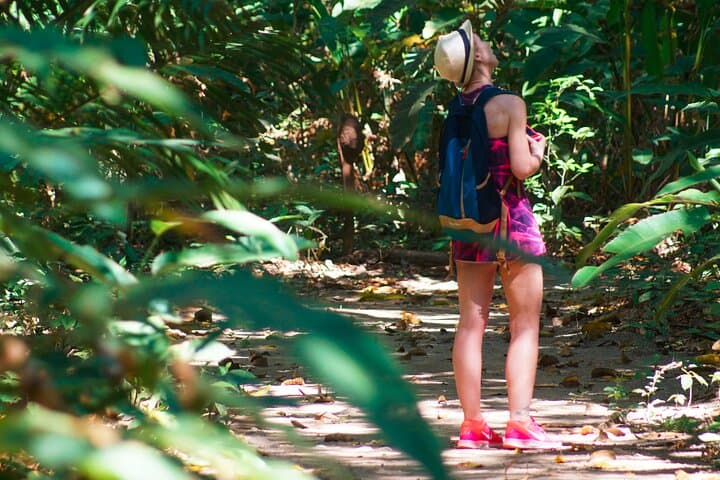
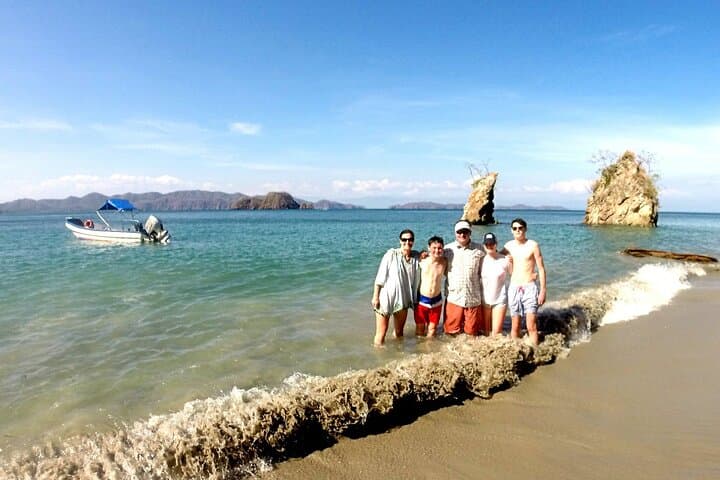
You step out of the van and the forest seems to breathe around you — dry-season dust giving way to humid understory, leaves flicking with monkeys and the distant roll of surf. Curu Wildlife Refuge sits on the western flank of the Nicoya Peninsula, where low ridges fall to crescent beaches and tidal flats. Guides who grew up on these shores lead the way, pointing out slick iguanas sunning on termite mounds and scarlet macaws wheeling above the canopy.
Verified experiences and guided adventures in the surrounding area.
Operated by Manakin Tours · Santa Teresa, Puntarenas
You step out of the van and the forest seems to breathe around you — dry-season dust giving way to humid understory, leaves flicking with monkeys and the distant roll of surf. Curu Wildlife Refuge sits on the western flank of the Nicoya Peninsula, where low ridges fall to crescent beaches and tidal flats. Guides who grew up on these shores lead the way, pointing out slick iguanas sunning on termite mounds and scarlet macaws wheeling above the canopy.
The refuge protects secondary forest and coastal strand that once supported indigenous and early settler communities. Geologically the area is part of the Nicoya complex — eroded volcanic ridges and rocky headlands carved by Pacific swells. Locally, families still fish, farm and practice traditions that shaped this stretch of coastline; many guides are descendants of those early residents and weave personal history into natural interpretation.
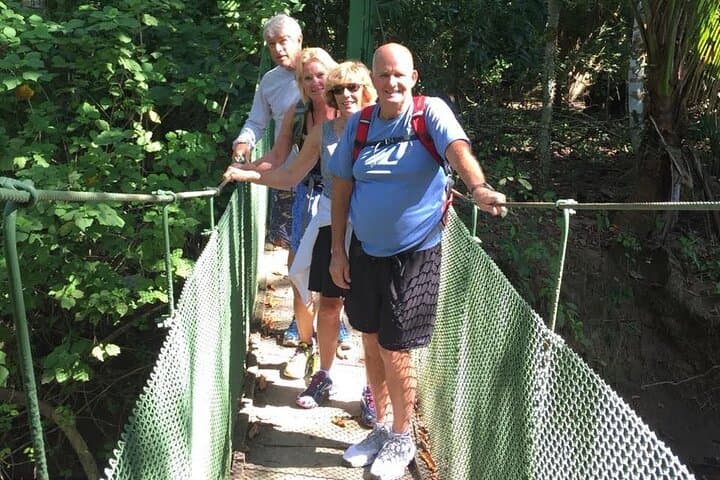
Expect a balanced day: shaded trail walking, short beach stops and wildlife viewing from low overlooks. Guides move deliberately to maximize sightings of white-faced capuchins, howler monkeys and migratory shorebirds. The rhythm is informal but educational — natural history, cultural notes and practical fieldcraft.
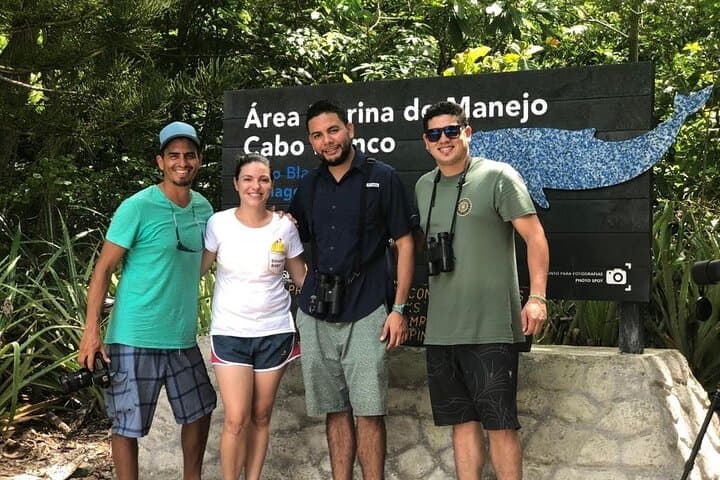
Practical guidance: wear sturdy shoes with traction, bring binoculars and a light rain layer even in the dry months, and plan for 4–5 hours on mixed terrain. The tour is private, bilingual, and includes snack provisions and private transport; it’s best for travelers with moderate fitness who want concentrated wildlife time without long hikes.
moderate.
4–5 hours.
Moderate — able to walk uneven trails and short beach stretches for several hours
The private tour runs approximately 4–5 hours (240–300 minutes) including transport, guided walks, and beach stops.
Common sightings include white-faced capuchins, howler monkeys, iguanas, coatis, and a range of tropical and migratory birds such as scarlet macaws and shorebirds.
Yes — the tour includes private transportation from the pickup point specified at booking and returns you at the end of the experience.
Yes — families with children can participate; the tour notes infant seats and stroller access, but plan for some uneven walking and short beach approaches.
Local families on the Nicoya Peninsula were among the early settlers shaping coastal livelihood; many guides are descendants who blend natural history with family stories.
Curu is a protected refuge that depends on responsible visitation — stay on trails, avoid feeding wildlife and support local guides who contribute to community-based conservation.
Manakin Tours operates guided outdoor trips and adventures with an emphasis on safety, stewardship, and memorable experiences.
You step out of the van and the forest seems to breathe around you — dry-season dust giving way to humid understory, leaves flicking with monkeys and the distant roll of surf. Curu Wildlife Refuge sits on the western flank of the Nicoya Peninsula, where low ridges fall to crescent beaches and tidal flats. Guides who grew up on these shores lead the way, pointing out slick iguanas sunning on termite mounds and scarlet macaws wheeling above the canopy.
You step out of the van and the forest seems to breathe around you — dry-season dust giving way to humid understory, leaves flicking with monkeys and the distant roll of surf. Curu Wildlife Refuge sits on the western flank of the Nicoya Peninsula, where low ridges fall to crescent beaches and tidal flats. Guides who grew up on these shores lead the way, pointing out slick iguanas sunning on termite mounds and scarlet macaws wheeling above the canopy.
The refuge protects secondary forest and coastal strand that once supported indigenous and early settler communities. Geologically the area is part of the Nicoya complex — eroded volcanic ridges and rocky headlands carved by Pacific swells. Locally, families still fish, farm and practice traditions that shaped this stretch of coastline; many guides are descendants of those early residents and weave personal history into natural interpretation.
Expect a balanced day: shaded trail walking, short beach stops and wildlife viewing from low overlooks. Guides move deliberately to maximize sightings of white-faced capuchins, howler monkeys and migratory shorebirds. The rhythm is informal but educational — natural history, cultural notes and practical fieldcraft.
Practical guidance: wear sturdy shoes with traction, bring binoculars and a light rain layer even in the dry months, and plan for 4–5 hours on mixed terrain. The tour is private, bilingual, and includes snack provisions and private transport; it’s best for travelers with moderate fitness who want concentrated wildlife time without long hikes.