THE ADVENTURE COLLECTIVE® · Independent discovery and booking for outdoor travel

Walk cliff-edged paths to Cueva del Indio, study Taíno petroglyphs, and stand above the Atlantic at Arecibo Lighthouse—this five- to six-hour tour pairs coastal geology with hands-on cultural stops and local food. Read on for what to bring, where to get the best photos, and how to prepare for tide-slick rock.
Walk cliff-edged paths to Cueva del Indio, study Taíno petroglyphs, and stand above the Atlantic at Arecibo Lighthouse—this five- to six-hour tour pairs coastal geology with hands-on cultural stops and local food. Read on for what to bring, where to get the best photos, and how to prepare for tide-slick rock.
You arrive at the edge of the Atlantic where wind has been carving the limestone for millennia. Waves hiss into narrow inlets and spray the cliff faces while the path narrows to a set of carved steps that lead down toward Cueva del Indio. The cave mouth is a frame for the ocean—rock faces etched with Taíno petroglyphs and tidal pools that reflect the sky like shattered glass.
Verified experiences and guided adventures in the surrounding area.
Operated by Utopia Shuttle · Arecibo, Puerto Rico
You arrive at the edge of the Atlantic where wind has been carving the limestone for millennia. Waves hiss into narrow inlets and spray the cliff faces while the path narrows to a set of carved steps that lead down toward Cueva del Indio. The cave mouth is a frame for the ocean—rock faces etched with Taíno petroglyphs and tidal pools that reflect the sky like shattered glass.
This full-day excursion traces the north coast’s geological and cultural story. Cueva del Indio is more than a photo stop: its ledges and natural windows reveal layers of Pleistocene limestone and the slow work of sea and time. The petroglyphs here are a direct link to the island’s Taíno inhabitants, who left symbols that map spiritual life and seafaring skill. A short drive east brings you to the Arecibo Lighthouse and Historical Park, where colonial navigation, indigenous reconstructions, and coastal defense converge on a promontory with broad ocean views. The itinerary often weaves in the broader scientific legacy of the Arecibo Observatory—a modern-era landmark that amplified Puerto Rico’s role in astronomy and radio science.
Between sites the guide routes you through roadside kiosks and family-run eateries, where mofongo, fried fish, and sweet plantain can anchor the day. Local cooks and kiosk owners keep simple, bold ingredients—lime, garlic, cilantro—at the center of their plates; this is food designed for motion and salt air.
Practicalities: the tour runs roughly five to six hours and includes moderate walking on uneven coastal rock, boardwalks at the park, and a beach stop for a swim if conditions allow. Wear water-ready shoes with good tread; the cliff paths are sometimes wet and slippery and the petroglyph platform can be narrow. Bring reef-safe sunscreen and a light wind shell—the Atlantic can shift from warm sun to gusty clouds in minutes. Guides supply bottled water and lifejackets for any water-based portions, and most stops include restroom access.
Timing matters: morning departures mean softer light for photographs and calmer seas for exploring tidal pools. If you care about wildlife, watch for brown pelicans diving from the cliffs and hermit crabs skittering along the surf line at low tide.
The route is accessible from San Juan with hotel pickup, but travelers based in Arecibo can make a shorter drive of under 20 minutes. Respect the petroglyphs—observe, photograph, and do not touch. With a knowledgeable guide, simple gear, and a curiosity for geology and culture, the Cueva del Indio and Arecibo loop delivers a compact but layered portrait of Puerto Rico’s north shore.
easy.
5–6 hours.
Suitable for most fitness levels; expect short uneven walks and some low steps.
Pickup is offered from central San Juan hotels; exact pickup time is confirmed the day before. Arecibo-based travelers can meet at a local departure point.
Yes, swimming may be allowed when sea conditions are safe; guides provide lifejackets and will advise based on tides and surf.
You can approach and photograph the petroglyphs but touching or climbing on the panels is prohibited to preserve them.
The tour is family-friendly but not recommended for pregnant travelers or those with severe back or heart conditions due to uneven terrain and vehicle transfer.
Yes; the itinerary includes stops at kiosk restaurants with restroom facilities and local food options are provided on-site.
The operator may cancel for high surf or heavy rain; full refunds are available if canceled more than 24 hours before departure.
The cave walls hold Taíno petroglyphs that record indigenous presence along Puerto Rico’s north shore; the Arecibo area later became important for navigation and scientific research.
Coastal erosion and visitor impact threaten rock art and intertidal habitats—stay on marked paths, avoid touching carvings, and use reef-safe sunscreen to reduce pollution.
Utopia Shuttle operates guided outdoor trips and adventures with an emphasis on safety, stewardship, and memorable experiences.
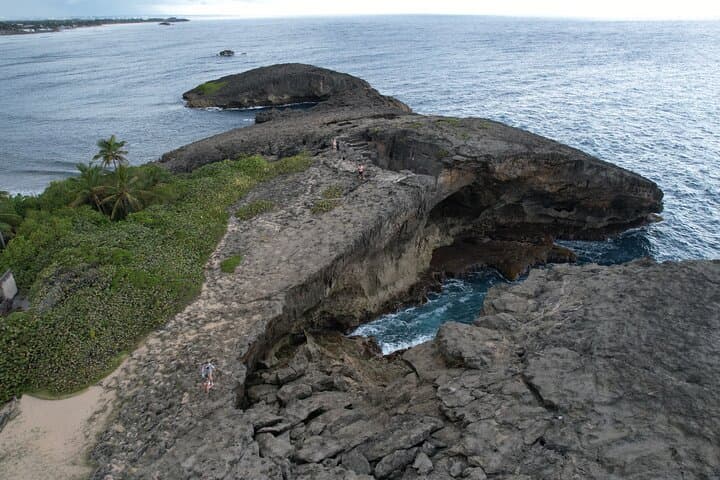
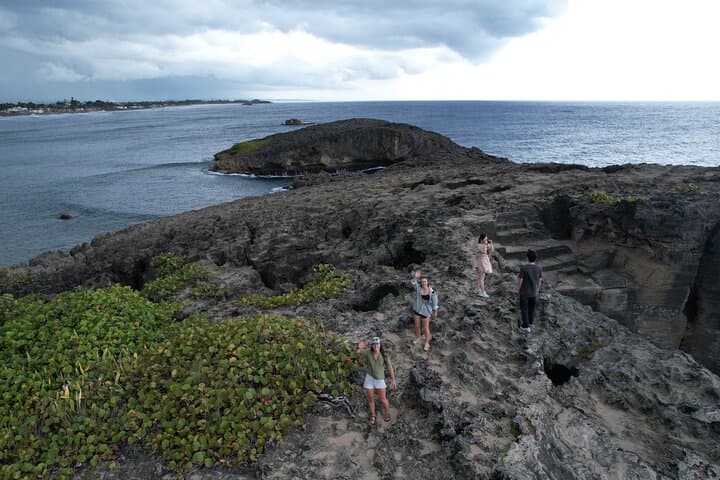
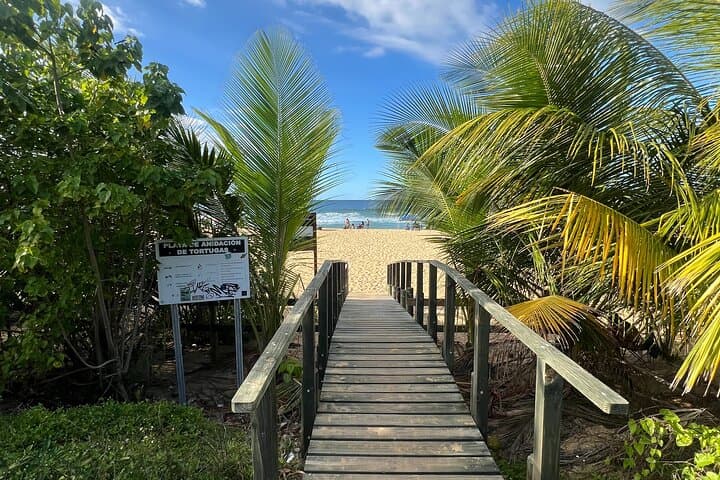
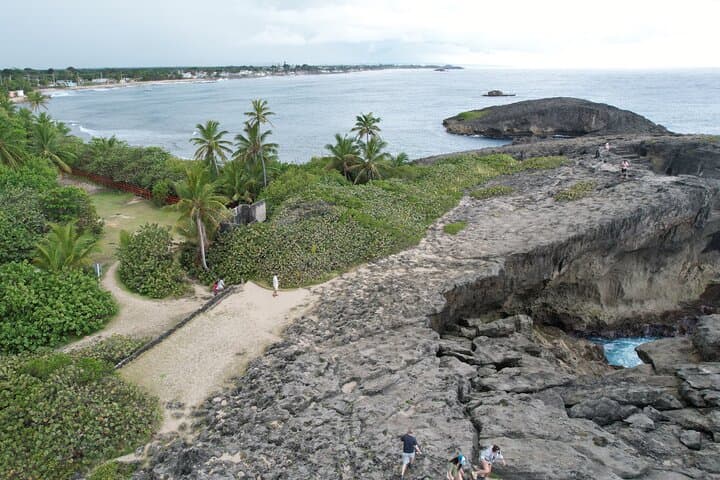
You arrive at the edge of the Atlantic where wind has been carving the limestone for millennia. Waves hiss into narrow inlets and spray the cliff faces while the path narrows to a set of carved steps that lead down toward Cueva del Indio. The cave mouth is a frame for the ocean—rock faces etched with Taíno petroglyphs and tidal pools that reflect the sky like shattered glass.
You arrive at the edge of the Atlantic where wind has been carving the limestone for millennia. Waves hiss into narrow inlets and spray the cliff faces while the path narrows to a set of carved steps that lead down toward Cueva del Indio. The cave mouth is a frame for the ocean—rock faces etched with Taíno petroglyphs and tidal pools that reflect the sky like shattered glass.
This full-day excursion traces the north coast’s geological and cultural story. Cueva del Indio is more than a photo stop: its ledges and natural windows reveal layers of Pleistocene limestone and the slow work of sea and time. The petroglyphs here are a direct link to the island’s Taíno inhabitants, who left symbols that map spiritual life and seafaring skill. A short drive east brings you to the Arecibo Lighthouse and Historical Park, where colonial navigation, indigenous reconstructions, and coastal defense converge on a promontory with broad ocean views. The itinerary often weaves in the broader scientific legacy of the Arecibo Observatory—a modern-era landmark that amplified Puerto Rico’s role in astronomy and radio science.
Between sites the guide routes you through roadside kiosks and family-run eateries, where mofongo, fried fish, and sweet plantain can anchor the day. Local cooks and kiosk owners keep simple, bold ingredients—lime, garlic, cilantro—at the center of their plates; this is food designed for motion and salt air.
Practicalities: the tour runs roughly five to six hours and includes moderate walking on uneven coastal rock, boardwalks at the park, and a beach stop for a swim if conditions allow. Wear water-ready shoes with good tread; the cliff paths are sometimes wet and slippery and the petroglyph platform can be narrow. Bring reef-safe sunscreen and a light wind shell—the Atlantic can shift from warm sun to gusty clouds in minutes. Guides supply bottled water and lifejackets for any water-based portions, and most stops include restroom access.
Timing matters: morning departures mean softer light for photographs and calmer seas for exploring tidal pools. If you care about wildlife, watch for brown pelicans diving from the cliffs and hermit crabs skittering along the surf line at low tide.
The route is accessible from San Juan with hotel pickup, but travelers based in Arecibo can make a shorter drive of under 20 minutes. Respect the petroglyphs—observe, photograph, and do not touch. With a knowledgeable guide, simple gear, and a curiosity for geology and culture, the Cueva del Indio and Arecibo loop delivers a compact but layered portrait of Puerto Rico’s north shore.