THE ADVENTURE COLLECTIVE® · Independent discovery and booking for outdoor travel

Combine Saigon’s colonial landmarks and market bustle with a trip into the Cu Chi Tunnels—an immersive day that contrasts city life with an underground wartime network. Practical tips help you prepare for crouched tunnels, hot sun, and a full day of history.
Combine Saigon’s colonial landmarks and market bustle with a trip into the Cu Chi Tunnels—an immersive day that contrasts city life with an underground wartime network. Practical tips help you prepare for crouched tunnels, hot sun, and a full day of history.
The morning opens on a humid Saigon street: motorbikes part like tides as an air‑conditioned van eases away from District 1 and into flat, patchwork rice paddies. The city’s colonial façades and cathedral spires recede; the landscape tightens into scrub and bamboo where the Cu Chi network hides beneath a quiet field.
Verified experiences and guided adventures in the surrounding area.
Operated by Authentic HALONG · Ho Chi Minh City, Ho Chi Minh
The morning opens on a humid Saigon street: motorbikes part like tides as an air‑conditioned van eases away from District 1 and into flat, patchwork rice paddies. The city’s colonial façades and cathedral spires recede; the landscape tightens into scrub and bamboo where the Cu Chi network hides beneath a quiet field.
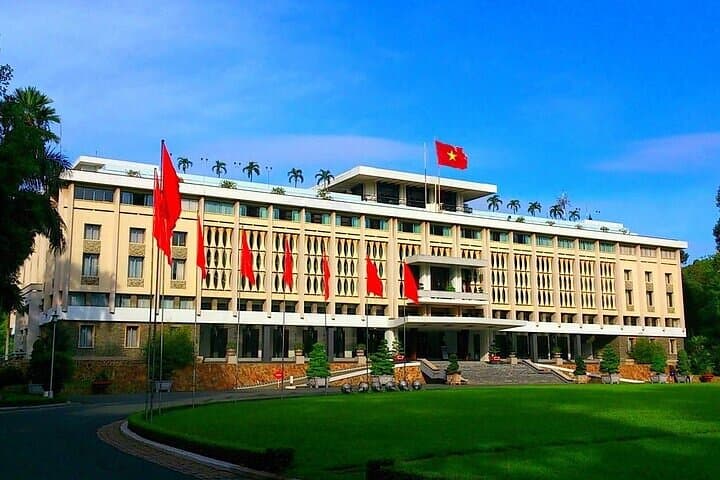
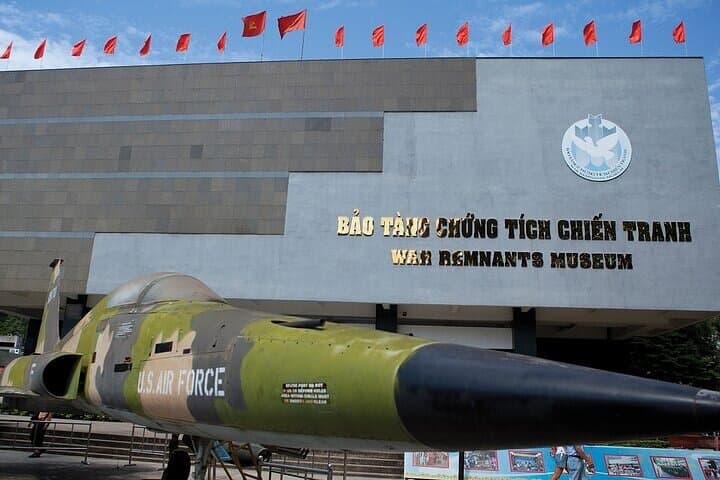
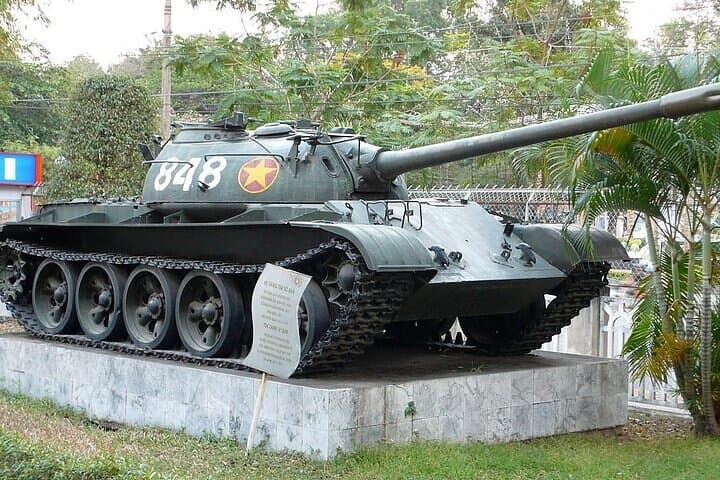
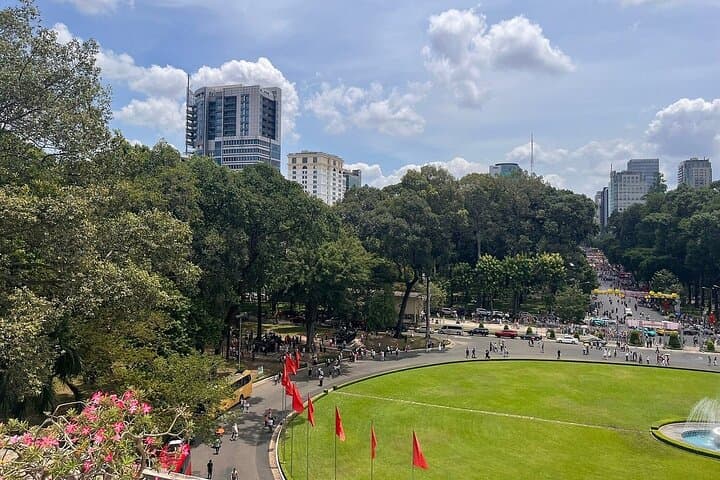
At the War Remnants Museum and Reunification Palace the guide pins dates and rooms to memory—photographs, armored vehicles and the tank that ended a government. Notre‑Dame and the Central Post Office show French 19th‑century influence in brick and vault; Ben Thanh Market offers the present day’s pulse of vendors and street food.
Then Cu Chi: a layered underground world of narrow galleries, trapdoors and widened chambers. Built and expanded by villagers and guerrillas, the tunnels are both shelter and supply route—engineering born of necessity. The terrain above is flat with sandy loam and scattered casuarina; the network sits within a wartime landscape of defensive earthworks rather than dramatic geology.
Practically, expect crouched passages in short, widened sections for visitors, exposed displays of wartime apparatus and a museum covering life underground. Wear closed shoes and light, breathable clothing; bring sun protection and a small backpack for water and documents. Photography is generally allowed except in restricted areas; follow guides when entering reconstructed tunnel sections. The tour runs most of the day with hotel pickup and returns to central Ho Chi Minh City by evening—an intense combination of urban history and rural wartime engineering that rewards curiosity and a steady pace.
easy.
9–10 hours.
Suitable for general fitness; requires some bending/crouching for short tunnel sections
The visitor sections are reconstructed and widened for safety; guests should follow the guide, avoid tight crawlspaces if uncomfortable, and not attempt unsupervised entry.
Older children generally handle the day well, but very young children or those who cannot crouch should skip tunnel sections and remain with the guide in open areas.
Photography is allowed in most areas but may be restricted in specific exhibits—always follow on-site signage and guide instructions.
Yes—most departures include hotel pickup from District 1; confirm your pickup point when booking.
Cu Chi was expanded by Viet Cong forces during the mid‑20th century into a strategic underground network; central Saigon’s landmarks reflect French colonial architecture and 20th‑century political history.
Sites handle heavy visitor numbers—stay on marked paths, avoid touching artifacts and support local guides by following rules to limit wear on fragile displays.
Authentic HALONG operates guided outdoor trips and adventures with an emphasis on safety, stewardship, and memorable experiences.
The morning opens on a humid Saigon street: motorbikes part like tides as an air‑conditioned van eases away from District 1 and into flat, patchwork rice paddies. The city’s colonial façades and cathedral spires recede; the landscape tightens into scrub and bamboo where the Cu Chi network hides beneath a quiet field.
The morning opens on a humid Saigon street: motorbikes part like tides as an air‑conditioned van eases away from District 1 and into flat, patchwork rice paddies. The city’s colonial façades and cathedral spires recede; the landscape tightens into scrub and bamboo where the Cu Chi network hides beneath a quiet field.
At the War Remnants Museum and Reunification Palace the guide pins dates and rooms to memory—photographs, armored vehicles and the tank that ended a government. Notre‑Dame and the Central Post Office show French 19th‑century influence in brick and vault; Ben Thanh Market offers the present day’s pulse of vendors and street food.
Then Cu Chi: a layered underground world of narrow galleries, trapdoors and widened chambers. Built and expanded by villagers and guerrillas, the tunnels are both shelter and supply route—engineering born of necessity. The terrain above is flat with sandy loam and scattered casuarina; the network sits within a wartime landscape of defensive earthworks rather than dramatic geology.
Practically, expect crouched passages in short, widened sections for visitors, exposed displays of wartime apparatus and a museum covering life underground. Wear closed shoes and light, breathable clothing; bring sun protection and a small backpack for water and documents. Photography is generally allowed except in restricted areas; follow guides when entering reconstructed tunnel sections. The tour runs most of the day with hotel pickup and returns to central Ho Chi Minh City by evening—an intense combination of urban history and rural wartime engineering that rewards curiosity and a steady pace.