THE ADVENTURE COLLECTIVE® · Independent discovery and booking for outdoor travel

Walk through shaded botanical paths to watch Nile crocodiles sun and submerge at Crocoparc, a wildlife garden a short drive from Agadir. This 1–3 hour tour includes hotel pickup and gives a close, safe look at captive breeding and cultivated landscapes.
Walk through shaded botanical paths to watch Nile crocodiles sun and submerge at Crocoparc, a wildlife garden a short drive from Agadir. This 1–3 hour tour includes hotel pickup and gives a close, safe look at captive breeding and cultivated landscapes.
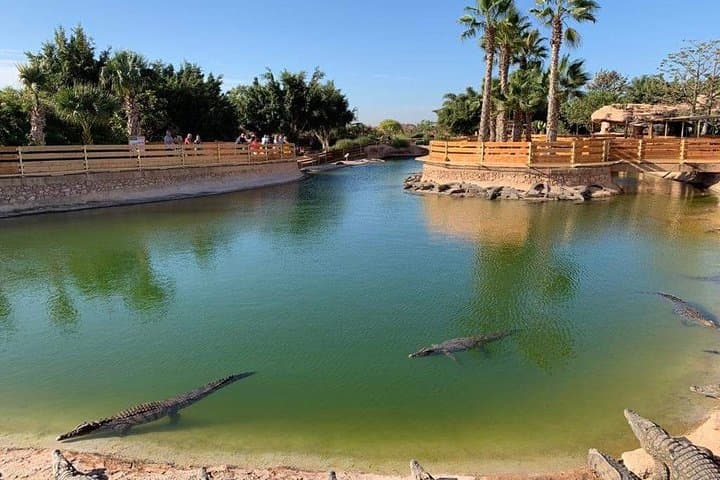
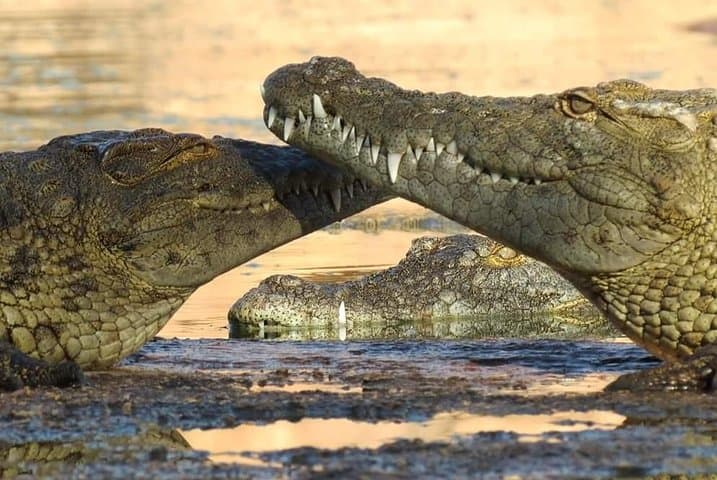
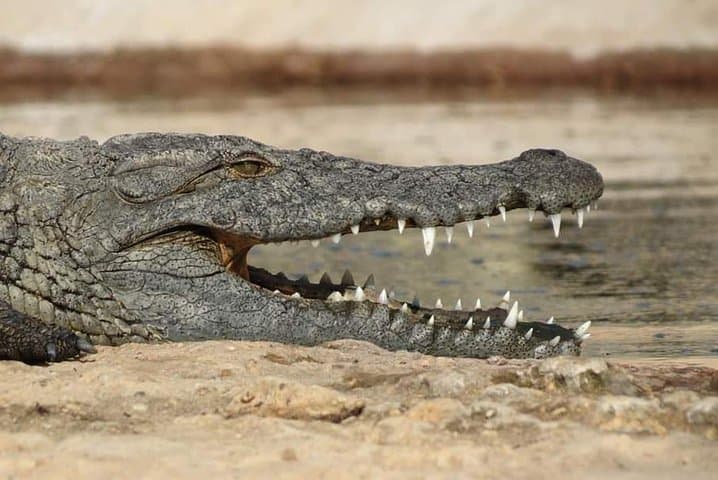
A huge crocodile head marks the gate and the path beyond quickly changes from city heat to a shaded, cultivated micro-forest. Paths wind between water features and sculpted pools where Nile crocodiles lie half-submerged, eyes tracking visitors with the slow patience of apex predators. Sunlight filters through exotic tree canopies; the air smells faintly of salt from the nearby Atlantic and the earth of fresh irrigation.
Verified experiences and guided adventures in the surrounding area.
Operated by Agadir excursions · Agadir, Souss-Massa
A huge crocodile head marks the gate and the path beyond quickly changes from city heat to a shaded, cultivated micro-forest. Paths wind between water features and sculpted pools where Nile crocodiles lie half-submerged, eyes tracking visitors with the slow patience of apex predators. Sunlight filters through exotic tree canopies; the air smells faintly of salt from the nearby Atlantic and the earth of fresh irrigation.
Crocoparc is a focused wildlife attraction in southern Morocco that houses over 300 Crocodylus niloticus and pairs that illustrate captive breeding and species care. The park’s planting and design echo local horticultural experiments that turn a dry city edge into a managed green space, while Agadir’s coastal plain and nearby Atlas foothills frame the wider landscape visitors pass through.
Expect a 1–3 hour visit with included pickup from Agadir hotels; paths are mostly compacted and accessible with short inclines. Guides and barriers keep viewing distances safe—never attempt to touch or feed the animals. Morning visits are quieter and cooler; afternoons bring stronger light for photography but also higher temperatures.
Practical notes: wear closed, comfortable shoes for sandy or damp boardwalk sections; bring sun protection and a refillable water bottle; use binoculars or a telephoto lens for closer observation without disturbing animals. Allow time to stroll the botanical areas, read interpretive panels about species care, and plan transport back to central Agadir where restaurants and local markets reflect Amazigh culinary traditions.
easy.
1–3 hours.
Suitable for most fitness levels; involves light walking on mostly flat paths and short inclines.
Yes—paths are stroller-accessible and the park provides infant seats on transfers; children should be supervised around enclosures.
Tours run about 1–3 hours depending on pickup time; most bookings include air-conditioned pickup and drop-off from Agadir hotels.
No—feeding or touching is prohibited for safety and animal welfare; designated viewing areas keep safe distances.
Public transportation options exist nearby, but most visitors prefer the included transfer for convenience and direct pickup.
Crocoparc combines species-focused enclosures with horticultural design to create a managed green space on Agadir’s coastal plain, reflecting growing eco-tourism in southern Morocco.
The park participates in captive management and public education; visitors are asked to follow rules that minimize disturbance and avoid single-use plastics where possible.
Agadir excursions operates guided outdoor trips and adventures with an emphasis on safety, stewardship, and memorable experiences.
A huge crocodile head marks the gate and the path beyond quickly changes from city heat to a shaded, cultivated micro-forest. Paths wind between water features and sculpted pools where Nile crocodiles lie half-submerged, eyes tracking visitors with the slow patience of apex predators. Sunlight filters through exotic tree canopies; the air smells faintly of salt from the nearby Atlantic and the earth of fresh irrigation.
A huge crocodile head marks the gate and the path beyond quickly changes from city heat to a shaded, cultivated micro-forest. Paths wind between water features and sculpted pools where Nile crocodiles lie half-submerged, eyes tracking visitors with the slow patience of apex predators. Sunlight filters through exotic tree canopies; the air smells faintly of salt from the nearby Atlantic and the earth of fresh irrigation.
Crocoparc is a focused wildlife attraction in southern Morocco that houses over 300 Crocodylus niloticus and pairs that illustrate captive breeding and species care. The park’s planting and design echo local horticultural experiments that turn a dry city edge into a managed green space, while Agadir’s coastal plain and nearby Atlas foothills frame the wider landscape visitors pass through.
Expect a 1–3 hour visit with included pickup from Agadir hotels; paths are mostly compacted and accessible with short inclines. Guides and barriers keep viewing distances safe—never attempt to touch or feed the animals. Morning visits are quieter and cooler; afternoons bring stronger light for photography but also higher temperatures.
Practical notes: wear closed, comfortable shoes for sandy or damp boardwalk sections; bring sun protection and a refillable water bottle; use binoculars or a telephoto lens for closer observation without disturbing animals. Allow time to stroll the botanical areas, read interpretive panels about species care, and plan transport back to central Agadir where restaurants and local markets reflect Amazigh culinary traditions.