THE ADVENTURE COLLECTIVE® · Independent discovery and booking for outdoor travel

Follow CODA’s coastal trail from Boston to the real-life fishing piers and quiet streets of Manchester-by-the-Sea. This 4.5-hour tour pairs film locations with coastal history and practical stops for photos and short walks.
Follow CODA’s coastal trail from Boston to the real-life fishing piers and quiet streets of Manchester-by-the-Sea. This 4.5-hour tour pairs film locations with coastal history and practical stops for photos and short walks.
The bus eases out of Boston and the coastline widens: salt air cuts the city noise, gulls wheel above rocky points, and small harbors punctuate the highway. In Gloucester you step where Ruby stepped—onto a working pier beside weathered boats—and the click of camera shutters competes with the cry of terns. A short drive later Manchester-by-the-Sea unfolds: low clapboard houses, a narrow harbor, and beaches that hold the film’s quieter scenes.
Verified experiences and guided adventures in the surrounding area.
Operated by Jupiter Legend Corporation · Boston, Massachusetts
The bus eases out of Boston and the coastline widens: salt air cuts the city noise, gulls wheel above rocky points, and small harbors punctuate the highway. In Gloucester you step where Ruby stepped—onto a working pier beside weathered boats—and the click of camera shutters competes with the cry of terns. A short drive later Manchester-by-the-Sea unfolds: low clapboard houses, a narrow harbor, and beaches that hold the film’s quieter scenes.
These towns are maritime places shaped by cod, schooners, and the Atlantic’s pull. Gloucester’s fishing history reaches back to colonial times; the rocky headlands are capped by ancient granite that resists the sea’s slow cutting. Manchester grew as a summer retreat for Boston families and keeps a small-town rhythm that the movie used to powerful effect.
Beyond film trivia you’ll see how landscape and culture intersect: fish piers and boatyards, community memorials to lost sailors, and salt-streaked architecture. Guides blend on-set anecdotes with local lore, pointing to specific streets, viewpoints, and the real-life boats that inspired scenes.
Practical guidance: plan for wind and sun even on mild days—layers are essential. Expect 4–5 hours on a coach with brief walking stops (about 60–90 minutes of on-foot time total). Bring a camera, comfortable shoes, and a windproof layer; bathrooms are available at stops. Morning departures often have softer light for photos; late departures may hit traffic returning to Boston. This tour is low exertion but rich in coastal character—ideal for travelers who want cinematic context and a snapshot of Cape Ann’s shoreline life.
easy.
4–5 hours.
Suitable for most fitness levels; involves short walks and standing at viewing points
The tour departs from the Four Seasons Hotel Boston (200 Boylston St) and returns to central Boston near Beacon Hill; exact drop-off can vary by day.
No museum admissions are included—stops are primarily outdoor locations and town walks; any paid entry is at your own expense.
Yes—infants can ride in strollers and children are welcome, though younger kids should be supervised on docks and rocky areas.
Full refunds are available if you cancel at least 24 hours before departure; weather or minimum-participant closures may also trigger refunds.
Gloucester’s economy was anchored by commercial fishing from the 17th century onward; Manchester developed as a maritime village and summer enclave for Boston residents.
Coastal erosion and fragile dune systems mean visitors should stay on marked paths and avoid disturbing nesting birds; support local fisheries and businesses when possible.
Jupiter Legend Corporation operates guided outdoor trips and adventures with an emphasis on safety, stewardship, and memorable experiences.
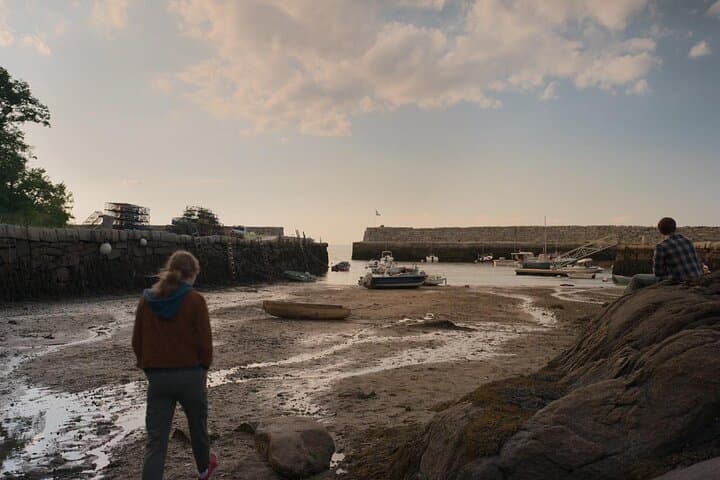

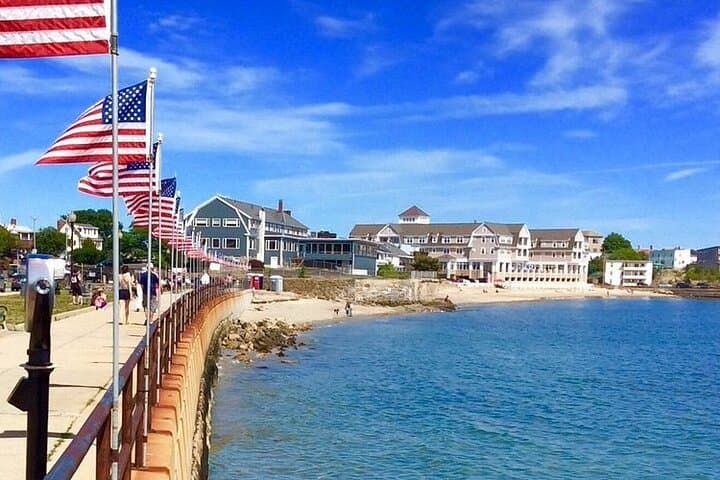
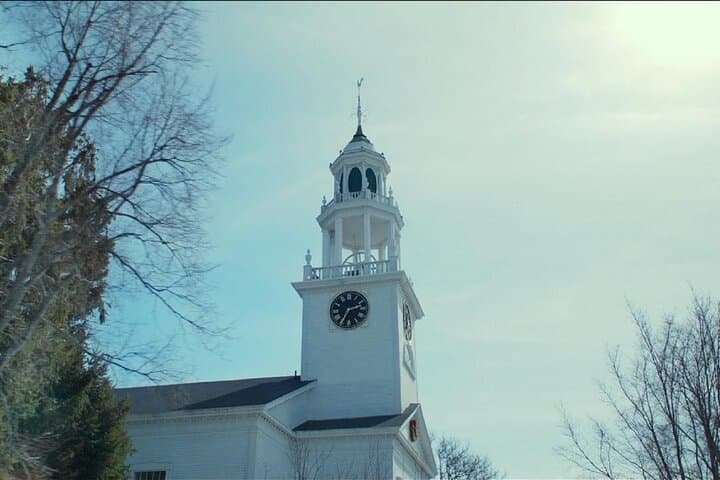
The bus eases out of Boston and the coastline widens: salt air cuts the city noise, gulls wheel above rocky points, and small harbors punctuate the highway. In Gloucester you step where Ruby stepped—onto a working pier beside weathered boats—and the click of camera shutters competes with the cry of terns. A short drive later Manchester-by-the-Sea unfolds: low clapboard houses, a narrow harbor, and beaches that hold the film’s quieter scenes.
The bus eases out of Boston and the coastline widens: salt air cuts the city noise, gulls wheel above rocky points, and small harbors punctuate the highway. In Gloucester you step where Ruby stepped—onto a working pier beside weathered boats—and the click of camera shutters competes with the cry of terns. A short drive later Manchester-by-the-Sea unfolds: low clapboard houses, a narrow harbor, and beaches that hold the film’s quieter scenes.
These towns are maritime places shaped by cod, schooners, and the Atlantic’s pull. Gloucester’s fishing history reaches back to colonial times; the rocky headlands are capped by ancient granite that resists the sea’s slow cutting. Manchester grew as a summer retreat for Boston families and keeps a small-town rhythm that the movie used to powerful effect.
Beyond film trivia you’ll see how landscape and culture intersect: fish piers and boatyards, community memorials to lost sailors, and salt-streaked architecture. Guides blend on-set anecdotes with local lore, pointing to specific streets, viewpoints, and the real-life boats that inspired scenes.
Practical guidance: plan for wind and sun even on mild days—layers are essential. Expect 4–5 hours on a coach with brief walking stops (about 60–90 minutes of on-foot time total). Bring a camera, comfortable shoes, and a windproof layer; bathrooms are available at stops. Morning departures often have softer light for photos; late departures may hit traffic returning to Boston. This tour is low exertion but rich in coastal character—ideal for travelers who want cinematic context and a snapshot of Cape Ann’s shoreline life.