THE ADVENTURE COLLECTIVE® · Independent discovery and booking for outdoor travel

A private day tour that pairs the earthen scale of Cholula’s Great Pyramid with Puebla’s Baroque masterpieces and colonial library. Perfect for travelers who want history, architecture, and regional food in a single 5–6 hour outing.
A private day tour that pairs the earthen scale of Cholula’s Great Pyramid with Puebla’s Baroque masterpieces and colonial library. Perfect for travelers who want history, architecture, and regional food in a single 5–6 hour outing.
You step out of the air-conditioned vehicle into thin, highland air and the rounded silhouette of Tlachihualtepetl—the Great Pyramid of Cholula—hums with human history. Sunlight picks out adobe terraces where centuries of builders layered earthen platforms; nearby, a colonial church perches as if daring the past to disagree.
Verified experiences and guided adventures in the surrounding area.
Operated by TuriTravel Mexico · Cholula, Puebla
You step out of the air-conditioned vehicle into thin, highland air and the rounded silhouette of Tlachihualtepetl—the Great Pyramid of Cholula—hums with human history. Sunlight picks out adobe terraces where centuries of builders layered earthen platforms; nearby, a colonial church perches as if daring the past to disagree.
This private day tour moves between pre-Hispanic and colonial eras: enter the artificial tunnels bored through the pyramid to see ceremonial rooms and construction phases, then walk into the exuberant indigenous baroque of Santa María Tonantzintla and the gilded Capilla del Rosario in Puebla. Geologically, the valley sits on volcanic deposits from the Popocatépetl and Iztaccíhuatl region, giving the pyramid its earthen mass and the surrounding soils their fertility.
Culturally the day unfolds as a study in layered identities—Nahuatl place names persist in local speech, while colonial plazas host markets and mole kitchens that continue regional food traditions.
Practical guidance: expect 5–6 hours with moderate walking on uneven surfaces and stair sections in churches. Bring sun protection, a refillable water bottle (bottled water is provided), and small bills for market purchases and museum donations. Photography is generally allowed but respect signage in religious spaces. If you have limited mobility, ask ahead about tunnel access and vehicle drop-offs; the guide can tailor the route for comfort.
Timing tip: morning light makes the tunnel interiors and church reliefs easier to photograph, while lunchtime in Puebla is the best moment to sample regional cuisine and local sweets.
moderate.
5–6 hours.
Reasonable mobility and a moderate fitness level for walking on uneven surfaces and short stairs
The tour runs approximately 5–6 hours and normally departs from a central pickup point in Puebla or arranged meeting point—confirm pickup with your operator.
Admissions to the Cholula Archaeological Zone, the pyramid tunnels, and specified churches are included in the tour price as listed; ask your operator for details on any optional sites.
The tunnel is artificially lit and level but narrow; travelers with mobility concerns should consult the operator—alternative viewpoints and museum areas are available.
Yes—lunch in Puebla is included; it’s a good chance to try regional specialties like mole poblano and sample market snacks with the guide’s recommendations.
Cholula’s Great Pyramid, built in earthen stages over centuries, is the largest pyramid by volume in the world; Puebla’s cathedral and Capilla del Rosario reflect 16th–17th century colonial architecture and New Spain baroque art.
Archaeological conservation focuses on stabilizing earthen structures and limiting foot traffic in sensitive areas—follow guide directions and avoid touching fragile wall surfaces.
TuriTravel Mexico operates guided outdoor trips and adventures with an emphasis on safety, stewardship, and memorable experiences.
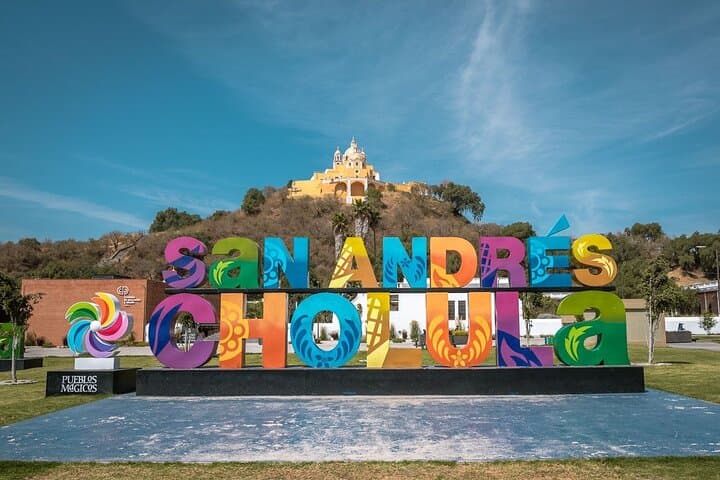
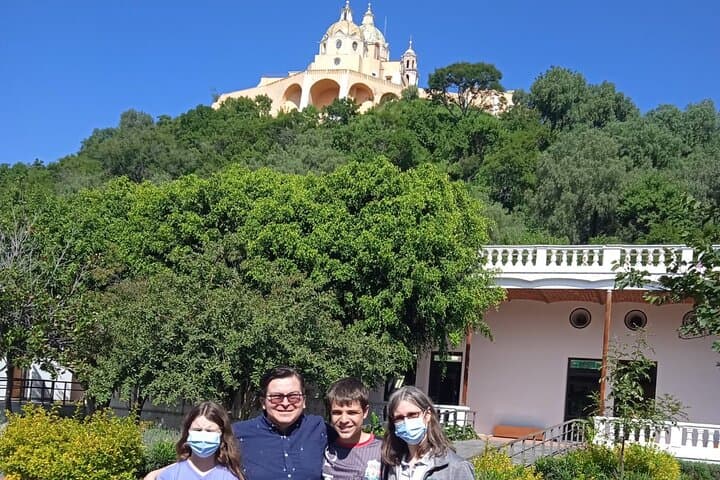
You step out of the air-conditioned vehicle into thin, highland air and the rounded silhouette of Tlachihualtepetl—the Great Pyramid of Cholula—hums with human history. Sunlight picks out adobe terraces where centuries of builders layered earthen platforms; nearby, a colonial church perches as if daring the past to disagree.
You step out of the air-conditioned vehicle into thin, highland air and the rounded silhouette of Tlachihualtepetl—the Great Pyramid of Cholula—hums with human history. Sunlight picks out adobe terraces where centuries of builders layered earthen platforms; nearby, a colonial church perches as if daring the past to disagree.
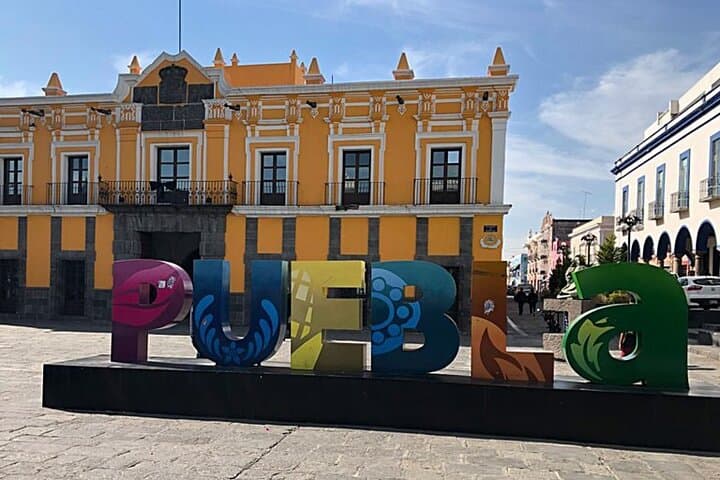
This private day tour moves between pre-Hispanic and colonial eras: enter the artificial tunnels bored through the pyramid to see ceremonial rooms and construction phases, then walk into the exuberant indigenous baroque of Santa María Tonantzintla and the gilded Capilla del Rosario in Puebla. Geologically, the valley sits on volcanic deposits from the Popocatépetl and Iztaccíhuatl region, giving the pyramid its earthen mass and the surrounding soils their fertility.
Culturally the day unfolds as a study in layered identities—Nahuatl place names persist in local speech, while colonial plazas host markets and mole kitchens that continue regional food traditions.
Practical guidance: expect 5–6 hours with moderate walking on uneven surfaces and stair sections in churches. Bring sun protection, a refillable water bottle (bottled water is provided), and small bills for market purchases and museum donations. Photography is generally allowed but respect signage in religious spaces. If you have limited mobility, ask ahead about tunnel access and vehicle drop-offs; the guide can tailor the route for comfort.
Timing tip: morning light makes the tunnel interiors and church reliefs easier to photograph, while lunchtime in Puebla is the best moment to sample regional cuisine and local sweets.