THE ADVENTURE COLLECTIVE® · Independent discovery and booking for outdoor travel

Step into the royal gardens of Château Gaillard in Amboise—where Renaissance artisans, orange trees and limestone caves meet. This guide explains what to expect, how to prepare, and the best time to explore the estate’s citrus-scented paths.
Step into the royal gardens of Château Gaillard in Amboise—where Renaissance artisans, orange trees and limestone caves meet. This guide explains what to expect, how to prepare, and the best time to explore the estate’s citrus-scented paths.
Morning light slides across the Loire and the low hill that holds Château Gaillard; citrus scent from the orangery dares you closer while stone steps, warmed by centuries of sun, lead into gardens Charles VIII once ordered reshaped.
Verified experiences and guided adventures in the surrounding area.
Operated by Domaine Royal de Chateau Gaillard · Amboise, Centre-Val de Loire
Morning light slides across the Loire and the low hill that holds Château Gaillard; citrus scent from the orangery dares you closer while stone steps, warmed by centuries of sun, lead into gardens Charles VIII once ordered reshaped.
The estate is steeped in Renaissance history: Charles VIII brought Italian artisans and the Neapolitan gardener Dom Pacello, who introduced the first orange trees to France and began the French formal garden tradition here. Geologically the site sits on soft tuffeau limestone—an easy-to-carve rock that created the hill’s caves and the stone texture common to Loire châteaux.
Culturally the domain mixes courtly ambition with horticultural experiment: 16th-century tapestries, Italian sculpture influences, and a working orangery where citrus ripened in greenhouses. Walk seven distinct paths across the 15-hectare park, duck into hillside caves, and sample the citrus bar’s fresh juice and orange blossom jelly—simple, storied flavors tied to the place.
Practical guidance: allow 2–3 hours to visit without rushing. Paths are mostly compacted soil and lawns—good walking shoes recommended. Guided tours by art historians run in French; signage and displays explain renovations and the revival led by Loire craftsmen. The grounds are wheelchair accessible but some cave and slope sections are uneven.
Best times are spring for blossoms and fall for late sunshine on the stone. Keep to marked paths to protect planting beds, carry a light rain layer in shoulder seasons, and time visits mid-morning or late afternoon to avoid coach-group peaks.
easy.
2–3 hours.
Light walking fitness; suitable for most visitors including families and older adults
Plan for 2–3 hours to see gardens, caves, orangery and temporary exhibits without rushing.
An art historian guide and free guided tours in French are part of the admission; check onsite schedules for times.
Most areas and surfaces are wheelchair accessible, though some cave approaches and slopes may be uneven—contact the site for specific access needs.
Infants and small children are welcome (infants must sit on laps); service animals are allowed but pets policies vary—confirm before visiting.
Charles VIII’s court imported Italian craftsmen and gardener Dom Pacello in the late 15th century, establishing early French Renaissance planting and introducing orange trees to France.
The estate balances historic restoration with active horticulture—visitors are urged to stay on paths and avoid picking fruit to protect living collections.
Domaine Royal de Chateau Gaillard operates guided outdoor trips and adventures with an emphasis on safety, stewardship, and memorable experiences.
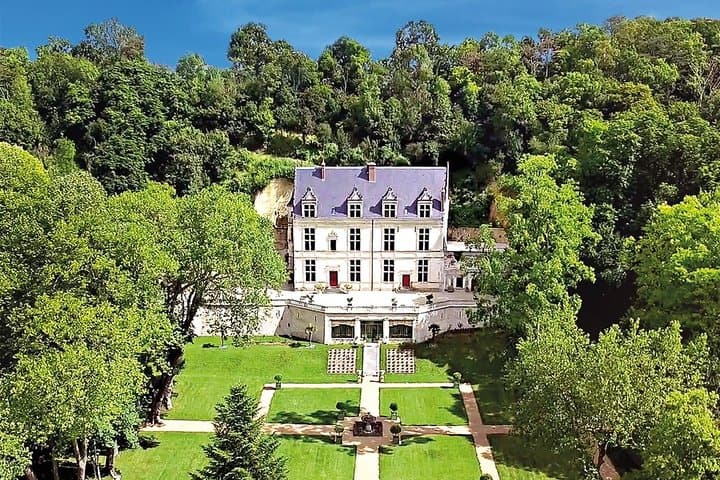
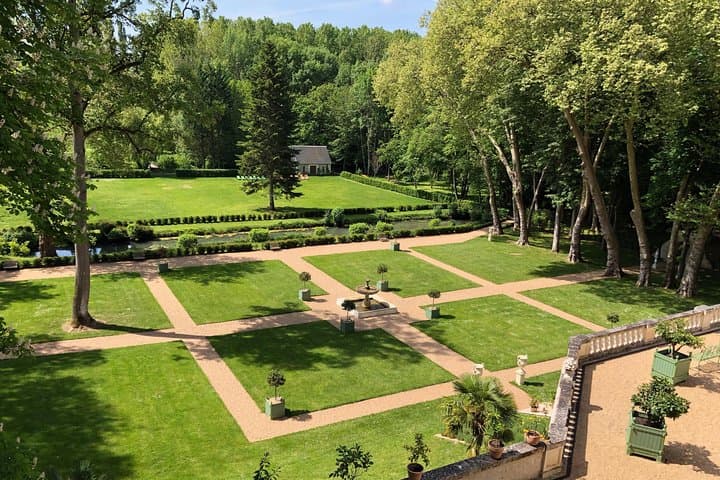
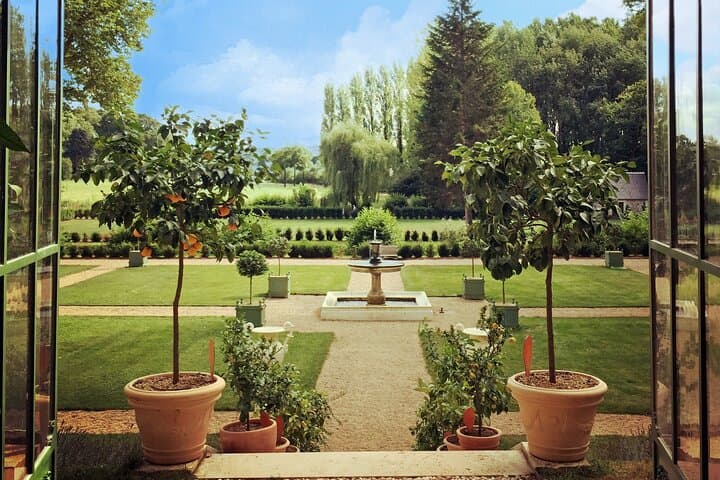
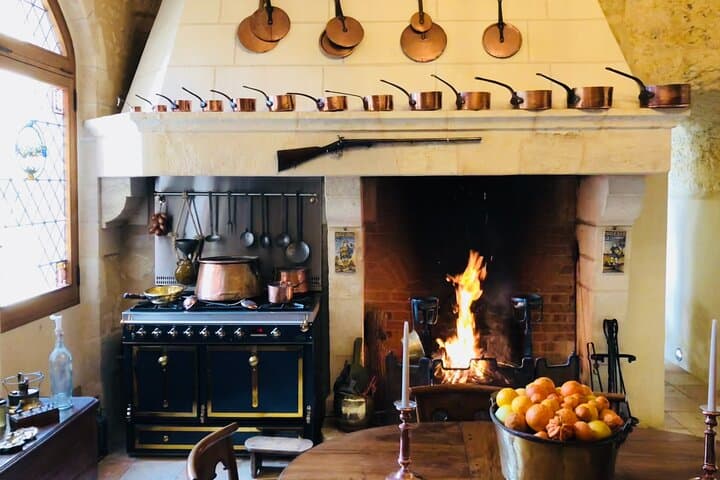
Morning light slides across the Loire and the low hill that holds Château Gaillard; citrus scent from the orangery dares you closer while stone steps, warmed by centuries of sun, lead into gardens Charles VIII once ordered reshaped.
Morning light slides across the Loire and the low hill that holds Château Gaillard; citrus scent from the orangery dares you closer while stone steps, warmed by centuries of sun, lead into gardens Charles VIII once ordered reshaped.
The estate is steeped in Renaissance history: Charles VIII brought Italian artisans and the Neapolitan gardener Dom Pacello, who introduced the first orange trees to France and began the French formal garden tradition here. Geologically the site sits on soft tuffeau limestone—an easy-to-carve rock that created the hill’s caves and the stone texture common to Loire châteaux.
Culturally the domain mixes courtly ambition with horticultural experiment: 16th-century tapestries, Italian sculpture influences, and a working orangery where citrus ripened in greenhouses. Walk seven distinct paths across the 15-hectare park, duck into hillside caves, and sample the citrus bar’s fresh juice and orange blossom jelly—simple, storied flavors tied to the place.
Practical guidance: allow 2–3 hours to visit without rushing. Paths are mostly compacted soil and lawns—good walking shoes recommended. Guided tours by art historians run in French; signage and displays explain renovations and the revival led by Loire craftsmen. The grounds are wheelchair accessible but some cave and slope sections are uneven.
Best times are spring for blossoms and fall for late sunshine on the stone. Keep to marked paths to protect planting beds, carry a light rain layer in shoulder seasons, and time visits mid-morning or late afternoon to avoid coach-group peaks.