THE ADVENTURE COLLECTIVE® · Independent discovery and booking for outdoor travel

Explore four distinct cenotes at Casa Tortuga near Tulum—open pools, semi-open sinkholes and cave caverns—on a guided, bilingual day tour with life jackets, lunch, and interpretive geology and cultural context.
Explore four distinct cenotes at Casa Tortuga near Tulum—open pools, semi-open sinkholes and cave caverns—on a guided, bilingual day tour with life jackets, lunch, and interpretive geology and cultural context.
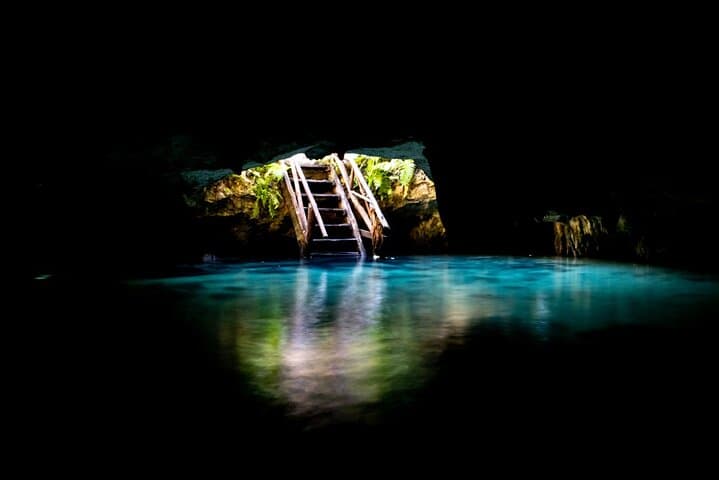
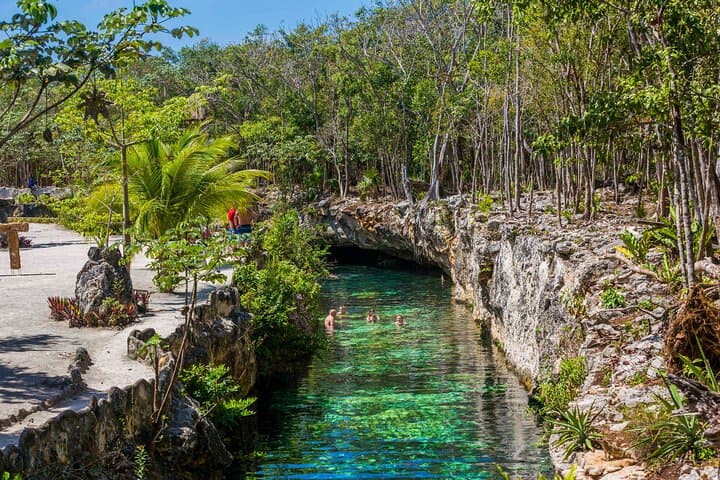
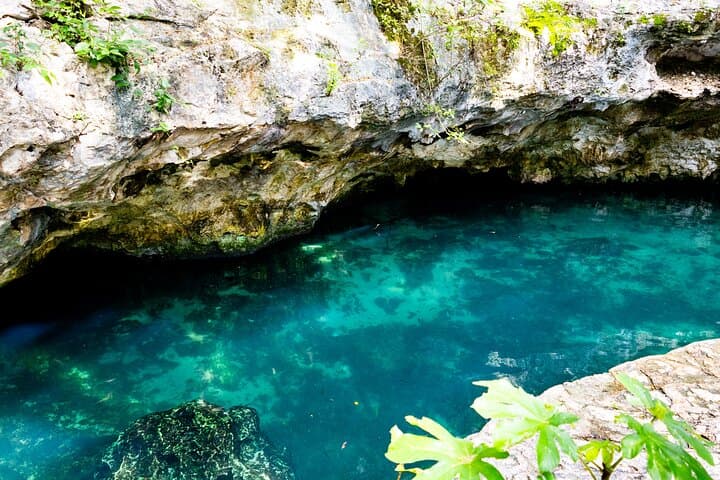
You step off the shaded path and the jungle hush shifts—branches parting to reveal pools of water so clear the limestone floor looks painted. Light threads through hanging roots and, ahead, the guide gestures toward a dark mouth where a cave cenote waits. This is Casa Tortuga: four cenotes in one site, each with a distinct character—open-water basins where sunlight sketches the surface, semi-open sinkholes framed by tree roots, and a cavern room shaped by millennia of dripping limestone.
Verified experiences and guided adventures in the surrounding area.
Operated by Mayan Affairs Tours · Tulum, Quintana Roo
You step off the shaded path and the jungle hush shifts—branches parting to reveal pools of water so clear the limestone floor looks painted. Light threads through hanging roots and, ahead, the guide gestures toward a dark mouth where a cave cenote waits. This is Casa Tortuga: four cenotes in one site, each with a distinct character—open-water basins where sunlight sketches the surface, semi-open sinkholes framed by tree roots, and a cavern room shaped by millennia of dripping limestone.
Cenotes are natural sinkholes formed when Yucatán’s porous limestone collapsed, exposing the groundwater below. The Maya treated these places as vital freshwater sources and sacred portals; at Casa Tortuga guides explain geology alongside cultural stories, connecting formations, stalactites, and clear aquifer layers to local history.
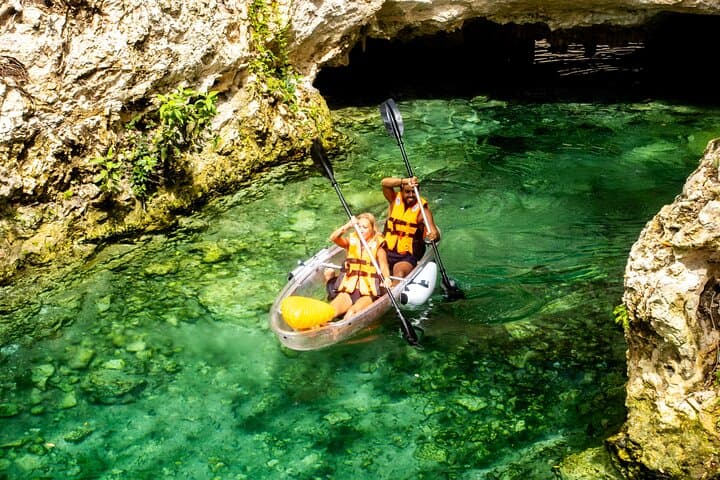
Expect a guided, bilingual tour lasting about five hours that includes safety briefing, life jackets, and swim time across four sites, plus a buffet lunch and basic facilities for changing. Water temperature is pleasantly cool year-round; visibility is excellent for snorkeling and photography. The experience balances easy swimming with moments of quiet exploration in low-light cave passages—bring steady footing and respect the formations.
Practical notes: arrive early to beat the midday heat, use biodegradable sunscreen, and wear water shoes for slippery edges. Guides emphasize conservation—no sunscreen in the water unless approved, no touching stalactites, and follow marked paths. For travelers seeking a hands-on introduction to Tulum’s subterranean waterways, Casa Tortuga delivers clear water, geological context, and a comfortable, guided introduction to cenote culture.
easy.
5 hours.
Suitable for most fitness levels; basic swimming comfort recommended for open cenotes.
Yes—life jackets are provided and required where indicated; guides will fit them during the safety briefing.
Yes—Casa Tortuga is family-friendly; children should be supervised and life jackets used as directed.
Lunch is included as a buffet; bring water and refillable bottles—hydration stations or bottled water may be available.
Full refunds are available if you cancel at least 24 hours before the scheduled time; last-minute cancellations are not refundable.
Cenotes are collapsed limestone sinkholes connected to the Yucatán aquifer; the Maya used them for freshwater and ritual offerings, and they remain culturally significant.
Visitors should use biodegradable sunscreen, avoid touching formations, and follow guide instructions to minimize impact on fragile cave ecosystems.
Mayan Affairs Tours operates guided outdoor trips and adventures with an emphasis on safety, stewardship, and memorable experiences.
You step off the shaded path and the jungle hush shifts—branches parting to reveal pools of water so clear the limestone floor looks painted. Light threads through hanging roots and, ahead, the guide gestures toward a dark mouth where a cave cenote waits. This is Casa Tortuga: four cenotes in one site, each with a distinct character—open-water basins where sunlight sketches the surface, semi-open sinkholes framed by tree roots, and a cavern room shaped by millennia of dripping limestone.
You step off the shaded path and the jungle hush shifts—branches parting to reveal pools of water so clear the limestone floor looks painted. Light threads through hanging roots and, ahead, the guide gestures toward a dark mouth where a cave cenote waits. This is Casa Tortuga: four cenotes in one site, each with a distinct character—open-water basins where sunlight sketches the surface, semi-open sinkholes framed by tree roots, and a cavern room shaped by millennia of dripping limestone.
Cenotes are natural sinkholes formed when Yucatán’s porous limestone collapsed, exposing the groundwater below. The Maya treated these places as vital freshwater sources and sacred portals; at Casa Tortuga guides explain geology alongside cultural stories, connecting formations, stalactites, and clear aquifer layers to local history.
Expect a guided, bilingual tour lasting about five hours that includes safety briefing, life jackets, and swim time across four sites, plus a buffet lunch and basic facilities for changing. Water temperature is pleasantly cool year-round; visibility is excellent for snorkeling and photography. The experience balances easy swimming with moments of quiet exploration in low-light cave passages—bring steady footing and respect the formations.
Practical notes: arrive early to beat the midday heat, use biodegradable sunscreen, and wear water shoes for slippery edges. Guides emphasize conservation—no sunscreen in the water unless approved, no touching stalactites, and follow marked paths. For travelers seeking a hands-on introduction to Tulum’s subterranean waterways, Casa Tortuga delivers clear water, geological context, and a comfortable, guided introduction to cenote culture.