THE ADVENTURE COLLECTIVE® · Independent discovery and booking for outdoor travel

Touch the same stone that shaped Renaissance statues and taste a regional specialty aged in marble basins. This compact tour pairs quarry viewpoints and a geology-led museum visit with an authentic Colonnata lardo tasting.
Touch the same stone that shaped Renaissance statues and taste a regional specialty aged in marble basins. This compact tour pairs quarry viewpoints and a geology-led museum visit with an authentic Colonnata lardo tasting.
A low mountain light catches the pale faces of Carrara marble as you step from the minibuses onto a dust-scattered road. The Apuan crags loom above; veined blocks sit like enormous, unfinished sculptures, cool under your palms. This tour moves from open quarries to a compact museum and finishes in Colonnata, where the quarrymen’s kitchens keep a culinary secret.
Verified experiences and guided adventures in the surrounding area.
Operated by Carrara Marble Quarries Exploration · Carrara, Tuscany
A low mountain light catches the pale faces of Carrara marble as you step from the minibuses onto a dust-scattered road. The Apuan crags loom above; veined blocks sit like enormous, unfinished sculptures, cool under your palms. This tour moves from open quarries to a compact museum and finishes in Colonnata, where the quarrymen’s kitchens keep a culinary secret.
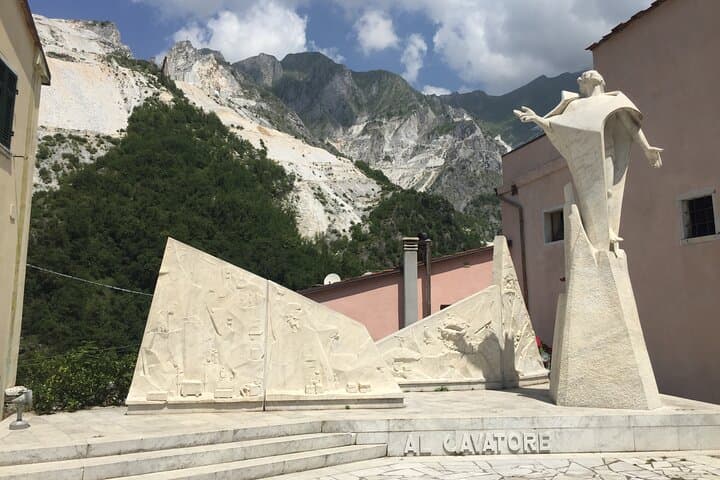
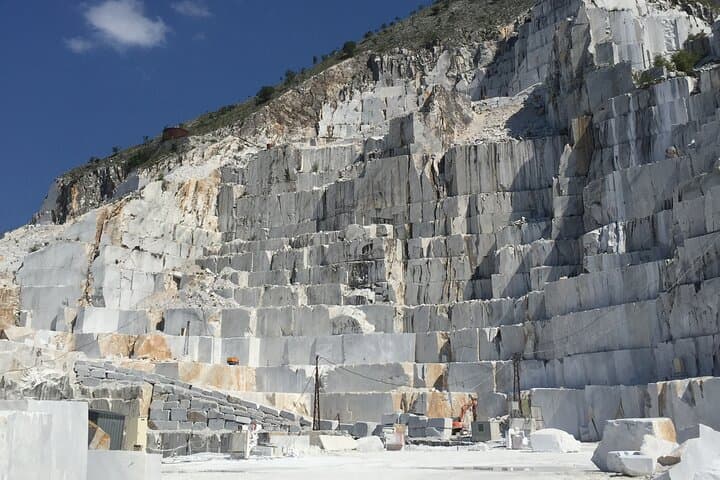
Marble here has been cut for millennia—Roman columns and Renaissance masterpieces both began in these folds of the Apuan Alps. Geologically, Carrara marble is a high-grade metamorphic rock: tight grain, high calcite content, and long linear veins that allowed sculptors from Michelangelo onward to draw perfect figures from stone. Culturally the villages that ring the quarries are stone-strong: Colonnata’s lardo is cured in marble basins, a technique born of the quarrymen’s workshops and their access to the stone.
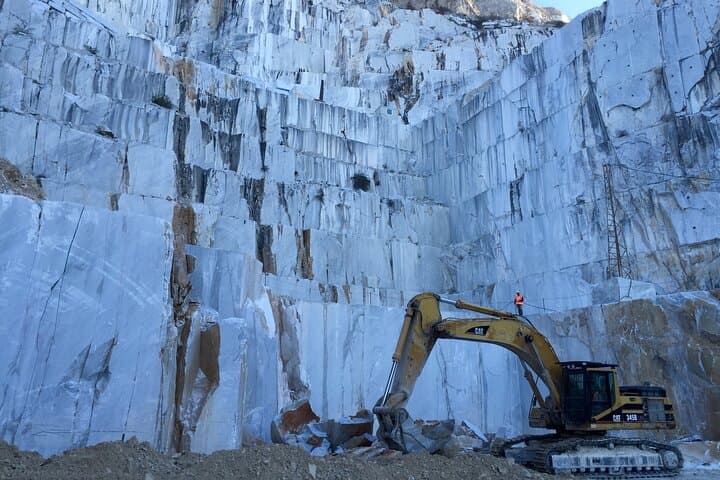
Expect easy walking on gravel roads and quarry overlooks, brief stairs in the museum, and close-up explanations from a geologist guide about excavation methods past and present. The tour typically lasts about 2.5 hours, with photo stops at working faces and a guided tasting of Lardo di Colonnata in the village.
Practical notes: wear sturdy shoes for loose rock, bring a sun hat in summer, and allow time for dust—marble dust clings. Respect posted safety zones at active quarries and listen to your guide near heavy equipment. For a short, layered excursion that combines natural history, craft, and local flavor, this tour delivers a compact, tangible taste of Carrara.
easy.
2–3 hours.
Suitable for most fitness levels; requires short periods of standing and walking on uneven but gentle terrain.
The itinerary runs about 2.5 hours (150 minutes) with quarry stops, a museum visit, and the Colonnata tasting.
No—it's rated easy and suitable for most travelers; expect short walks on gravel and a few steps in the museum.
Yes; the tasting of Lardo di Colonnata is included and presented in the village as part of the cultural visit.
You will view active and historic quarry faces from safe overlooks; entry into working quarry pits is restricted for safety and not part of the tour.
Carrara’s quarries have been exploited since Roman times and supplied high-quality marble to Renaissance sculptors and architects.
Quarrying is strictly regulated today with restored benches and controlled blasting; visitors should stick to paths and avoid removing stone or altering sites.
Carrara Marble Quarries Exploration operates guided outdoor trips and adventures with an emphasis on safety, stewardship, and memorable experiences.
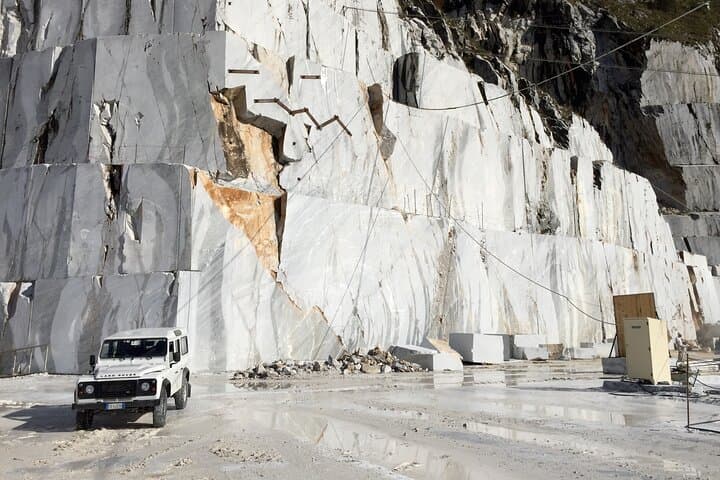
A low mountain light catches the pale faces of Carrara marble as you step from the minibuses onto a dust-scattered road. The Apuan crags loom above; veined blocks sit like enormous, unfinished sculptures, cool under your palms. This tour moves from open quarries to a compact museum and finishes in Colonnata, where the quarrymen’s kitchens keep a culinary secret.
A low mountain light catches the pale faces of Carrara marble as you step from the minibuses onto a dust-scattered road. The Apuan crags loom above; veined blocks sit like enormous, unfinished sculptures, cool under your palms. This tour moves from open quarries to a compact museum and finishes in Colonnata, where the quarrymen’s kitchens keep a culinary secret.
Marble here has been cut for millennia—Roman columns and Renaissance masterpieces both began in these folds of the Apuan Alps. Geologically, Carrara marble is a high-grade metamorphic rock: tight grain, high calcite content, and long linear veins that allowed sculptors from Michelangelo onward to draw perfect figures from stone. Culturally the villages that ring the quarries are stone-strong: Colonnata’s lardo is cured in marble basins, a technique born of the quarrymen’s workshops and their access to the stone.
Expect easy walking on gravel roads and quarry overlooks, brief stairs in the museum, and close-up explanations from a geologist guide about excavation methods past and present. The tour typically lasts about 2.5 hours, with photo stops at working faces and a guided tasting of Lardo di Colonnata in the village.
Practical notes: wear sturdy shoes for loose rock, bring a sun hat in summer, and allow time for dust—marble dust clings. Respect posted safety zones at active quarries and listen to your guide near heavy equipment. For a short, layered excursion that combines natural history, craft, and local flavor, this tour delivers a compact, tangible taste of Carrara.